How to Bake Vegetables in the Oven – Healthy & Crispy
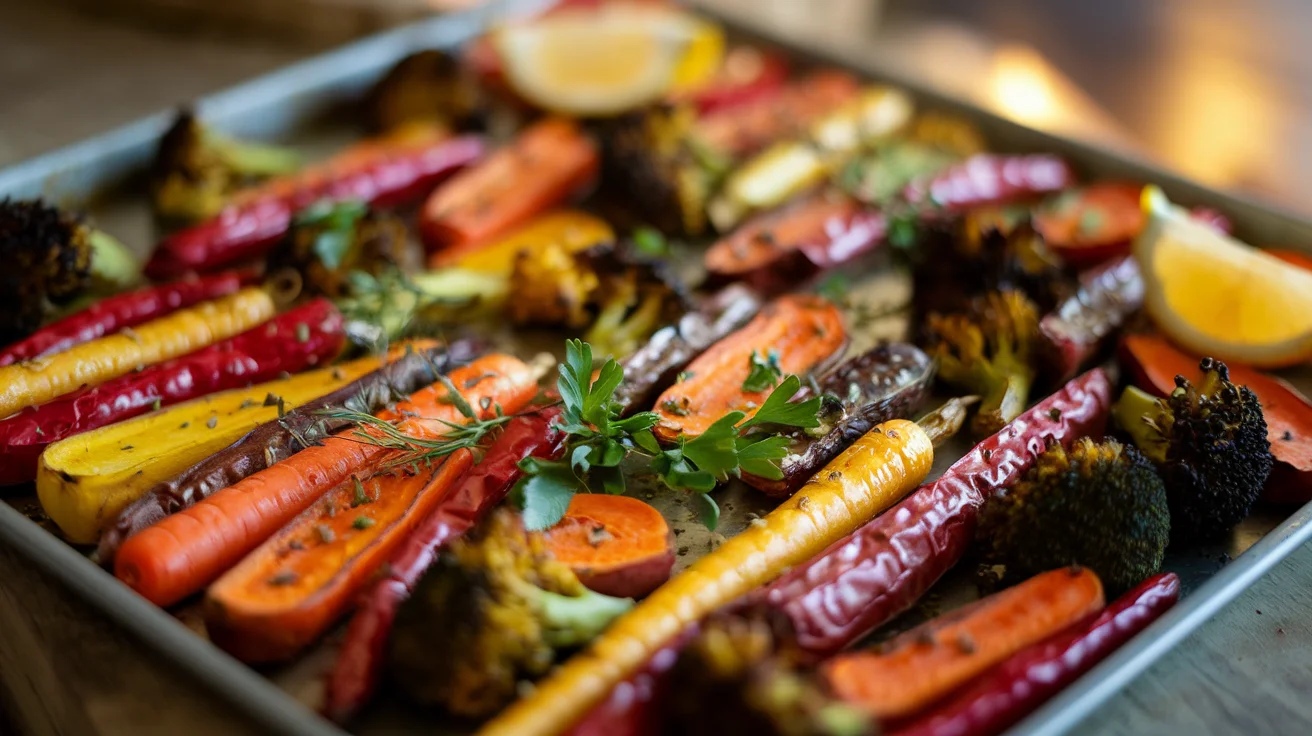
Learning how to bake vegetables in oven is one of the easiest ways to make healthy meals taste genuinely delicious, even on busy weeknights. With just a hot oven, a simple sheet pan, and a few pantry staples, you can turn everyday vegetables into crispy, golden bites that feel comforting and satisfying without being heavy.
This method is beginner-friendly, low-effort, and incredibly flexible, perfect whether you’re cooking for yourself, your family, or meal-prepping for the week. Once you understand the basics, oven-baked vegetables become a go-to side dish that works with almost any meal.
In this guide, you’ll learn exactly how to bake vegetables in the oven the right way, including the best temperature to use, how long different vegetables need, how to season them for maximum flavor, and how to avoid common mistakes like sogginess or burning. By the end, you’ll feel confident making healthy, crispy oven-roasted vegetables every time.
Why Oven-Baked Vegetables Work (Benefits)
Health & Nutrition
When you learn to roast vegetables properly, you’re choosing one of the healthiest cooking methods available. Baking uses a small amount of oil compared to frying, keeping calories and unhealthy fats low. The steady, dry heat of the oven also helps vegetables retain more of their natural nutrients, color, and flavor instead of losing them in water like boiling or over-steaming.
Texture & Flavor Advantages
One of the biggest reasons people love this method is the texture. Understanding this cooking technique allows you to achieve caramelized surfaces with crispy edges and tender centers. The high heat draws out natural sugars in vegetables, creating a deep, roasted flavor that steaming or microwaving simply can’t match. Instead of bland or mushy results, you get vegetables that are lightly browned, savory, and satisfying.
Convenience
Another major benefit of mastering this oven method is how effortless it is. Everything cooks on a single sheet pan, which means minimal prep and easy cleanup. You can roast large batches at once, making this method ideal for meal prep or family dinners. Once the vegetables are in the oven, they mostly cook hands-free, freeing you up to prepare the rest of your meal without constant attention.
Tools & Ingredients You’ll Need
Essential Equipment
Before learning to roast them, it helps to have the right basic tools ready. A sturdy baking sheet is the most important item, as it allows vegetables to spread out and roast evenly. Lining the sheet with parchment paper or foil makes cleanup easier and prevents sticking. A large mixing bowl is useful for tossing vegetables with oil and seasonings so everything is evenly coated. An oven thermometer is highly recommended to ensure the oven is truly at the right temperature, which is key for crisp results. Finally, a spatula or tongs will help you flip the vegetables halfway through cooking for even browning.
Ingredient Checklist (Vegetables + Pantry Basics)
One of the best parts of baking vegetables is that you can use almost any vegetable you have on hand. Vegetables that roast especially well include potatoes, carrots, cauliflower, broccoli, Brussels sprouts, bell peppers, zucchini, sweet potatoes, beets, and onions. For simple seasoning, you only need a few pantry staples: oil to promote browning, salt and pepper for basic flavor, and a splash of acid like lemon juice or vinegar to brighten the vegetables after roasting. Optional aromatics such as garlic, rosemary, thyme, or paprika can be added for extra flavor without much effort.
Optional Tools That Help Crispiness
If you want to take your oven-baked vegetables to the next level, a few optional tools can make a difference when mastering the roasting process. A wire rack placed over the baking sheet allows hot air to circulate underneath the vegetables, helping them crisp more evenly. A heavy, high-heat oven-safe tray retains heat better than thin pans and encourages browning. Silicone baking mats are convenient and reusable, but they may slightly reduce crispiness compared to parchment paper, so they’re best used when easy cleanup is the priority rather than maximum crunch.
Prep How to Choose & Cut Vegetables
Picking Vegetables for Even Roasting
A key part of learning to bake veggies successfully is choosing vegetables that will cook evenly together. Different vegetables have different densities and moisture levels, which affect how fast they roast. Dense vegetables like potatoes, carrots, and beets take longer to soften, while lighter vegetables such as zucchini, bell peppers, and broccoli cook much faster.
For the best results, group vegetables by similar texture and moisture. Roast dense vegetables together, and lighter, high-moisture vegetables together, or add quicker-cooking vegetables partway through the baking time. This simple step helps prevent some vegetables from burning while others are still undercooked.
Size and Cut Guide
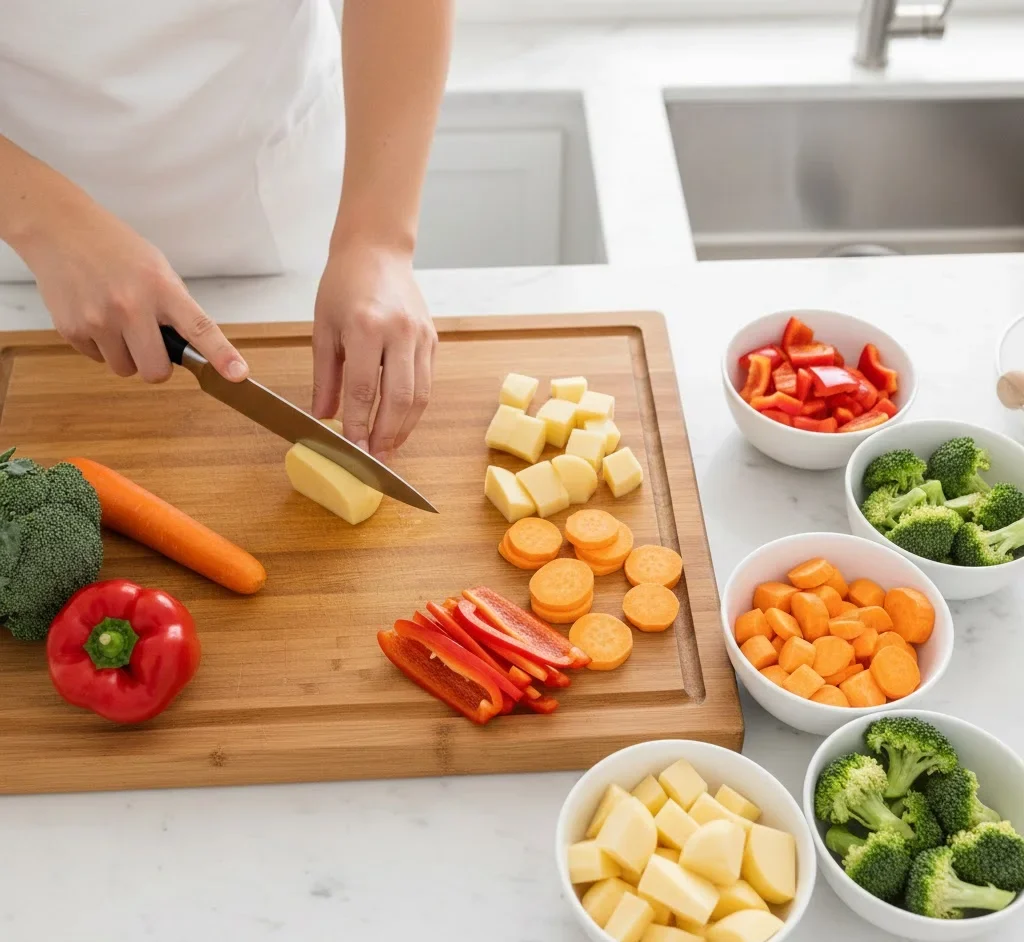
How you cut your vegetables plays a big role in how evenly they roast. Pieces that are too small can burn quickly, while large chunks may stay raw inside. Aim for uniform sizes so everything cooks at the same pace.
- Potatoes & sweet potatoes: 1-inch cubes or wedges
- Carrots & parsnips: ½–¾ inch slices or sticks
- Broccoli & cauliflower: Medium florets, similar in size
- Brussels sprouts: Halved (quartered if large)
- Bell peppers & onions: Thick strips or chunks
- Zucchini & squash: ½-inch rounds or half-moons
Keeping cuts consistent is one of the simplest ways to improve your results when baking vegetables in the oven.
Washing, Drying, and Par-Cooking Tips
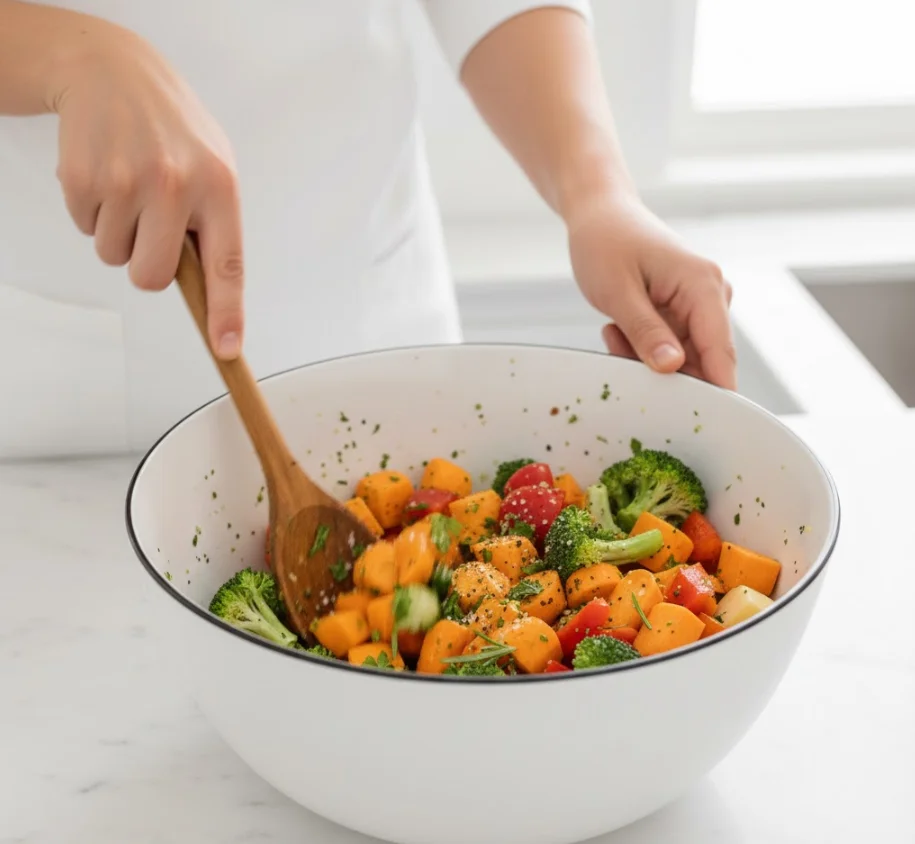
Proper prep makes a noticeable difference when learning to bake vegetables for crispy results. Always wash vegetables thoroughly to remove dirt, then dry them completely using a clean kitchen towel or paper towels. Excess moisture creates steam in the oven, which leads to soft or soggy vegetables instead of crisp, roasted edges.
For very dense vegetables like potatoes, carrots, or beets, par-cooking can help. Briefly boiling or microwaving them until just barely tender before roasting reduces oven time and allows the outside to brown beautifully without overcooking the inside. Once par-cooked, let them steam-dry for a minute before tossing with oil and seasoning to ensure the best texture.
Step-by-Step Guide — How to Bake Vegetables in Oven
Step 1 Preheat and Set the Oven
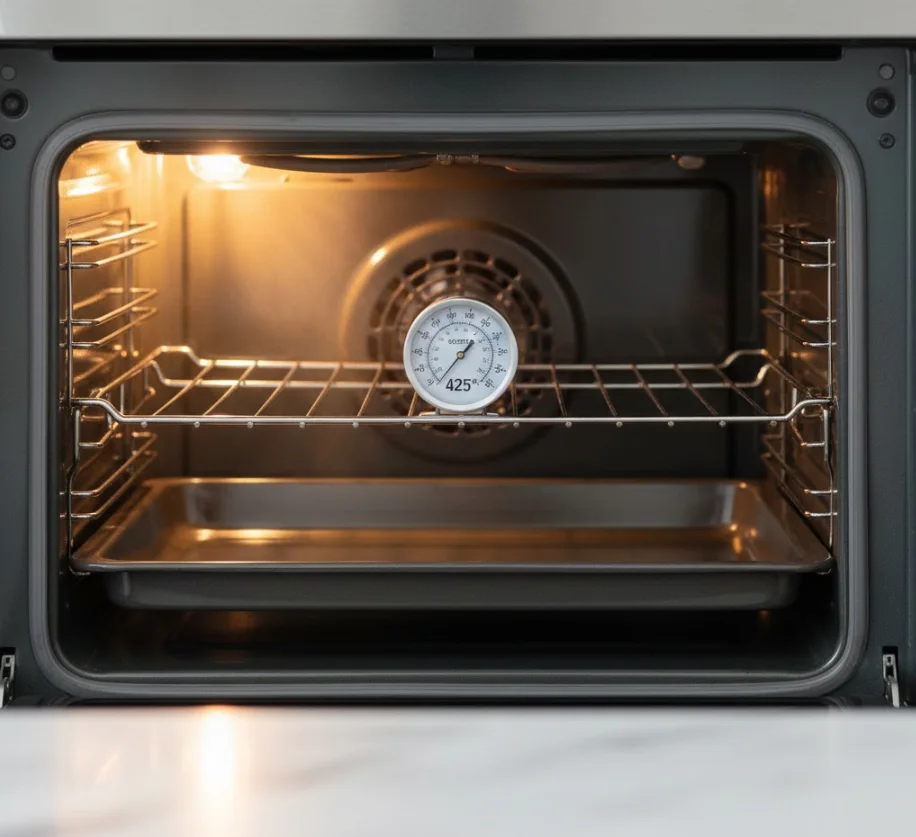
The first and most important step in the baking process is proper preheating. Always preheating your oven before the vegetables go in a hot oven is essential for browning and crisp edges.
- 400°F (200°C): Best for softer vegetables like zucchini, bell peppers, mushrooms, and onions. This temperature cooks them through without burning.
- 425°F (220°C): The most common and reliable setting. It works well for most vegetables and is ideal if you’re following a basic oven-roasted vegetables recipe.
- 450°F (230°C): Great for dense vegetables like potatoes, carrots, and Brussels sprouts when you want extra crispiness. Keep a close eye to prevent burning.
If your oven runs cool, slightly higher heat can help. An oven thermometer ensures accurate temperature, which directly affects how well vegetables roast.
Step 2 Tossing & Seasoning
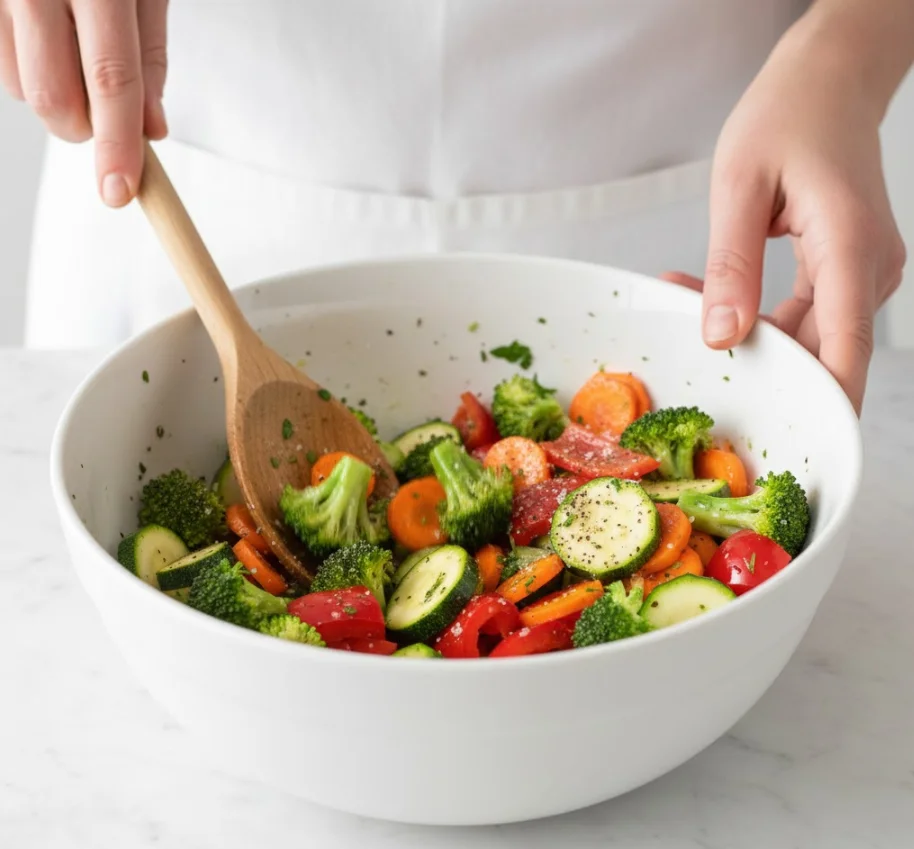
Once the vegetables are prepped, the next key step before roasting is seasoning them correctly. Place the vegetables in a large bowl so they have room to move while tossing.
- Oil amount: Use about 1 to 2 tablespoons of oil per pound of vegetables. Too little oil leads to dryness; too much causes sogginess.
- Salt timing: Add salt before roasting so it draws out moisture and enhances flavor during cooking.
- Basic seasoning: Salt and black pepper are enough for a simple oven roasted vegetables recipe.
- Optional flavor boosters: Garlic powder, paprika, cumin, rosemary, thyme, chili flakes, or Italian seasoning.
Toss until every piece is lightly and evenly coated this helps them roast instead of steam.
Step 3 Arrange on the Pan
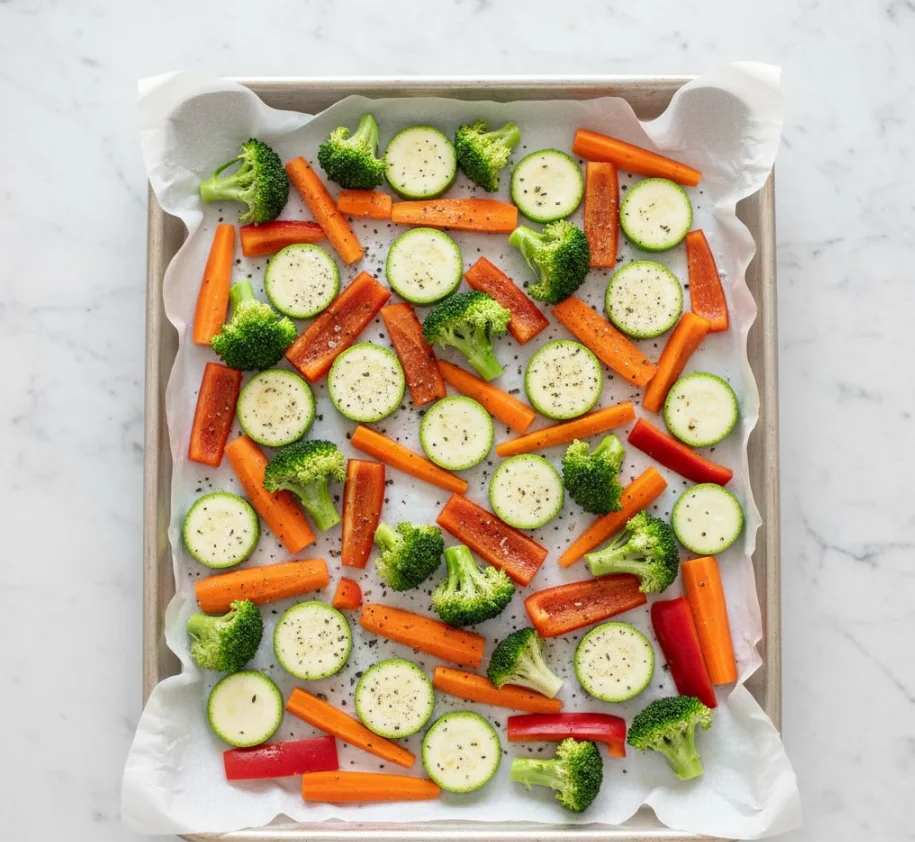
How you place vegetables on the pan plays a big role in getting successful results. Spread them out in a single layer on the baking sheet.
- Leave space between pieces so hot air can circulate.
- Avoid piling or overlapping vegetables, which traps steam and causes soggy results.
- If cooking a large batch, use two pans instead of crowding one.
Plan to flip the vegetables halfway through cooking. This exposes all sides to the heat and encourages even browning.
Step 4 Roast & Test for Doneness
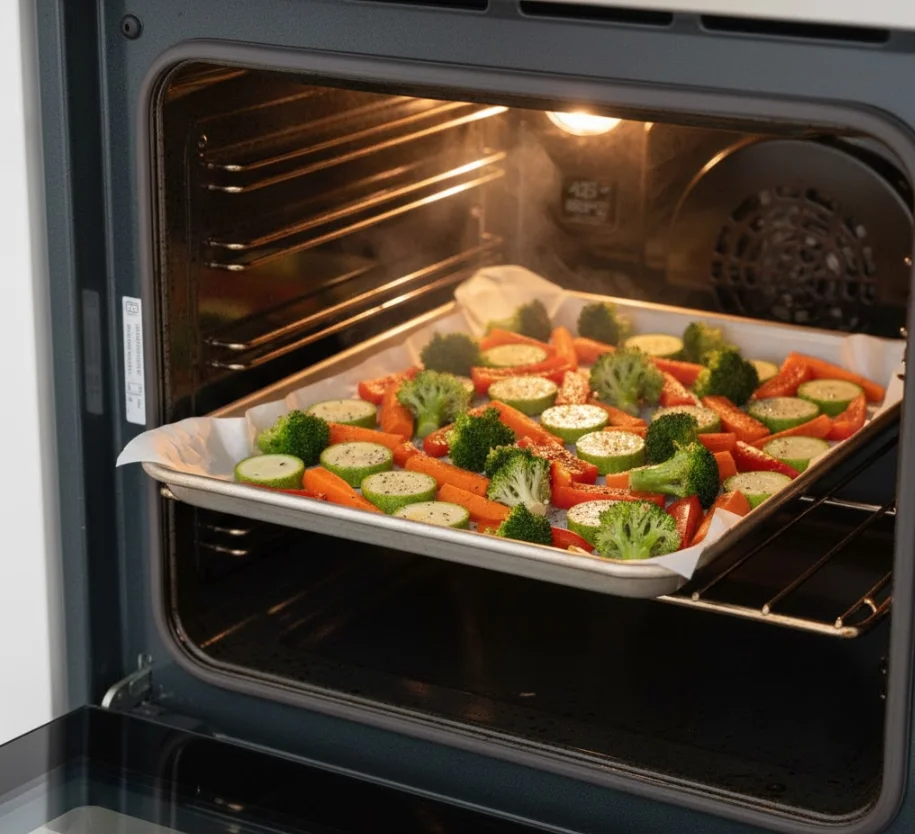
Place the pan on the middle rack of the oven and let the vegetables roast undisturbed for the first half of the cooking time. This allows them to develop a golden crust.
To test for doneness, look for these signs:
- Golden-brown or lightly charred edges
- Fork slides in easily but vegetables are not mushy
- Crispy outside with a tender interior
If vegetables are cooked through but not browned enough, increase the oven temperature slightly or switch to broil for 1–2 minutes, watching closely.
Step 5 Finish & Serve
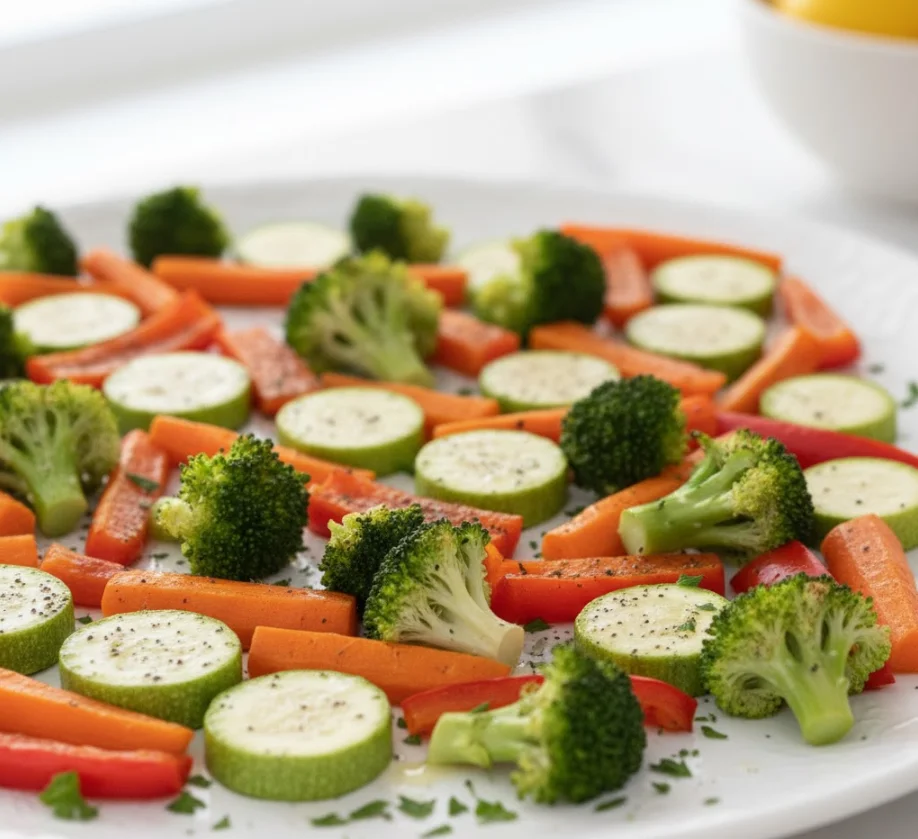
After removing the vegetables from the oven, let them rest on the pan for 2–3 minutes. This allows steam to escape and helps maintain crispness, an often-overlooked step in the roasting process.
Finish with:
- A squeeze of lemon juice or splash of vinegar
- Fresh herbs like parsley, basil, or thyme
- Optional toppings such as grated Parmesan, feta, or toasted nuts
Serve oven-baked vegetables as a side dish, over grains, in salads, or alongside protein for a simple, healthy meal.
Temperature + Timing Chart (Quiceferenck Re)
When learning to roast vegetables, knowing the right temperature and timing makes everything easier. Different vegetables roast at different speeds depending on their density and moisture. Use this quick reference chart as a guide, then adjust slightly based on your oven and personal crispiness preference.
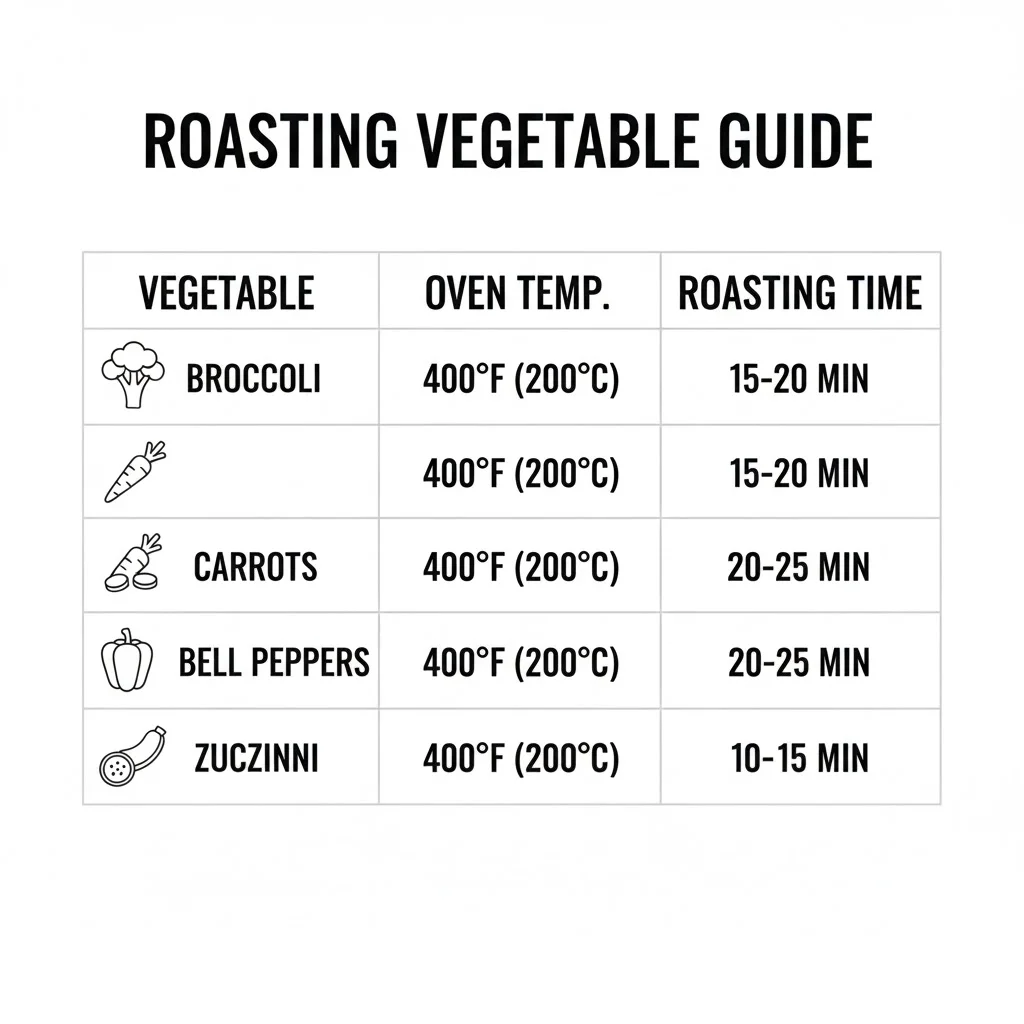
| Vegetable | Oven Temperature | Time Range | Doneness Cue |
|---|---|---|---|
| Broccoli | 425°F (220°C) | 18–25 minutes | Crispy edges, tender stems, lightly browned florets |
| Cauliflower | 425°F (220°C) | 25–30 minutes | Golden-brown spots, fork-tender centers |
| Carrots | 425–450°F (220–230°C) | 30–40 minutes | Caramelized edges, easily pierced with a fork |
| Sweet Potatoes | 425°F (220°C) | 30–40 minutes | Deep golden color, soft inside, crisp outside |
| Baby Potatoes | 425°F (220°C) | 35–45 minutes | Crispy skin, fluffy interior |
| Brussels Sprouts | 425–450°F (220–230°C) | 25–35 minutes | Dark roasted edges, tender centers |
| Bell Peppers | 400–425°F (200–220°C) | 18–25 minutes | Soft, slightly blistered skin |
| Zucchini | 400°F (200°C) | 15–20 minutes | Light browning, tender but not mushy |
How to Use This Chart
This chart is designed to simplify the roasting times without overthinking it. If you’re roasting mixed vegetables, start with the ones that take the longest and add faster-cooking vegetables later. Always spread vegetables in a single layer and flip them halfway through cooking for even browning.
Quick Tip
If vegetables are cooked through but not crispy enough, increase the temperature by 25°F for the last 5–8 minutes. If they’re browning too fast, lower the heat slightly or move the pan to a lower oven rack.
This reference works perfectly for everyday cooking and pairs well with any basic oven roasted vegetables recipe.
Tips for Extra-Crispy Oven Roasted Vegetables
Getting vegetables truly crispy is often the hardest part when learning to roast them. These practical tips focus on heat, moisture control, and finishing touches so your vegetables come out golden and flavorful instead of soft or soggy.
High-Heat Techniques
High heat is essential for crisp results when mastering oven roasting. Roasting at 425–450°F (220–230°C) allows moisture to evaporate quickly while encouraging browning and caramelization.
Always preheat the oven fully before adding the vegetables. For even better results, place the empty baking sheet in the oven while it preheats, adding vegetables to a hot pan jumpstarts the crisping process. Just be careful when spreading the vegetables onto the hot surface.
Avoid overcrowding the pan at all costs. When vegetables are packed too closely together, they release steam and cook unevenly. If needed, use two baking sheets instead of one. Space between pieces allows hot air to circulate and creates those crisp, roasted edges everyone loves.
Drying & Oil Technique
Moisture is the enemy of crispiness when learning to roast veggies. After washing, always dry vegetables thoroughly using a clean towel or paper towels. Even a small amount of surface water can cause steaming instead of roasting.
Use oil sparingly but evenly. A light, even coating helps vegetables brown and prevents sticking, but too much oil can make them greasy and soft. As a general rule, 1 to 2 tablespoons of oil per pound of vegetables is enough.
Choose oils with a high smoke point, such as avocado oil, grapeseed oil, or refined olive oil. These oils can handle high oven temperatures without burning, helping vegetables roast evenly and develop better color.
Flavor-Boosting Finishing Touches
Finishing touches can elevate your results once you’ve nailed the perfect roast. Adding certain ingredients after roasting enhances flavor without sacrificing crispiness.
- A small splash of acid, like lemon juice or balsamic vinegar, brightens the vegetables and balances their roasted sweetness. A pat of butter added while the vegetables are still hot adds richness without making them soggy. Toasted nuts bring crunch, while grated cheeses like Parmesan or Pecorino add a savory finish.
- Fresh herbs such as parsley, thyme, rosemary, or basil should always be added after roasting. They keep their color and aroma, giving your oven-roasted vegetables a fresh, restaurant-quality finish.
Flavor Variations & Simple Seasoning Blends
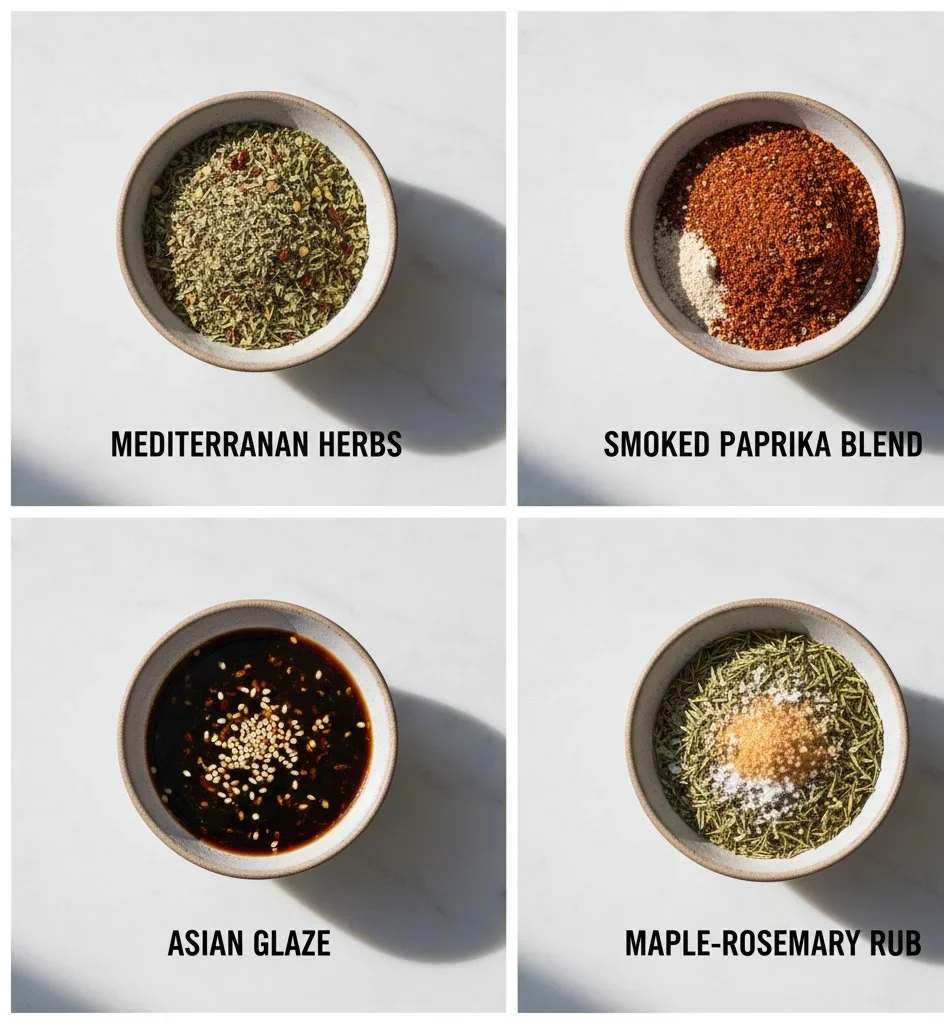
One of the best parts of learning to bake vegetables is how easy it is to change flavors without changing the cooking method. With a few simple seasoning combinations, you can turn the same vegetables into completely different dishes. Use these blends before roasting, and add fresh elements after baking for the best results.
Mediterranean (Olive Oil, Lemon, Oregano)
This classic combination works beautifully for clean, fresh flavors. Toss vegetables with olive oil, dried oregano, salt, and black pepper before roasting. This blend pairs especially well with zucchini, bell peppers, onions, tomatoes, and cauliflower.
Once the vegetables are baked and lightly crisped, finish with a squeeze of fresh lemon juice and, if desired, a sprinkle of crumbled feta or fresh parsley. The lemon brightens the roasted flavors without softening the vegetables, making this a perfect everyday option.
Smoky & Spicy (Smoked Paprika, Cumin, Chili Flakes)
For bold, deep flavor, this blend adds warmth and a gentle kick while maximizing caramelization. Before roasting, toss vegetables with oil, smoked paprika, ground cumin, salt, and a pinch of chili flakes.
This seasoning works especially well with potatoes, sweet potatoes, carrots, Brussels sprouts, and cauliflower. The spices intensify as the vegetables roast, creating a smoky crust. Adjust the chili flakes to control heat, and finish with a touch of lime juice for balance if desired.
Asian-Inspired (Sesame Oil, Soy, Ginger, Scallions)
This flavor variation shows how versatile this cooking technique can be. Lightly coat vegetables with a neutral oil first, then add a small amount of sesame oil, grated fresh ginger, and a splash of low-sodium soy sauce.
Because soy sauce contains salt and sugar, avoid overcrowding the pan and roast at a slightly lower temperature (around 400–425°F) to prevent burning. After roasting, top with sliced scallions and toasted sesame seeds for extra aroma and texture. This blend works well with broccoli, green beans, mushrooms, and bell peppers.
Sweet & Savory (Maple, Rosemary, Cinnamon)
For a comforting, slightly sweet option, this blend highlights another creative side of veggie roasting. Toss vegetables with oil, a light drizzle of maple syrup, chopped rosemary, salt, and a tiny pinch of cinnamon.
This combination is especially good for root vegetables like carrots, sweet potatoes, squash, and parsnips. The maple caramelizes in the oven, while rosemary adds an earthy contrast. Use maple syrup sparingly to avoid sticking or burning, and serve these vegetables alongside roasted meats or grain bowls for a balanced meal.
Make-Ahead, Storage & Reheating
Baking vegetables also means knowing how to store and reuse them properly so they stay tasty and don’t go to waste. Oven-baked vegetables are excellent for meal prep and can easily be enjoyed over several days when handled the right way.
How to Cool & Store Properly (Fridge / Freezer Guidelines)
After baking, let the vegetables cool on the sheet pan for about 10–15 minutes. Spreading them out allows steam to escape, which helps prevent condensation that can make them soggy once stored — an important detail when mastering this method.
For refrigeration, transfer completely cooled vegetables to an airtight container. Store them in the fridge for 3–5 days. If possible, line the container with a paper towel to absorb excess moisture and keep the vegetables from softening too quickly.
For freezing, choose dense vegetables like carrots, potatoes, sweet potatoes, cauliflower, or broccoli. Let them cool fully, then freeze in a single layer on a tray before transferring to a freezer-safe bag or container. This prevents clumping and preserves texture. Frozen oven-baked vegetables are best used within 2–3 months.
Best Reheating Methods to Preserve Crispness
To maintain the texture you achieved, the reheating method matters.
- Oven: The best option for crispness. Reheat at 400°F (200°C) for 8–12 minutes, spreading vegetables in a single layer on a baking sheet.
- Toaster oven: Ideal for small portions. Use a similar temperature and reheat for 5–8 minutes.
- Air fryer (optional): Reheat at 375°F (190°C) for 4–6 minutes for excellent crisp results.
- Microwave: Use only when speed is more important than texture. Vegetables will soften, so reheat in short bursts and avoid covering tightly.
Avoid reheating in covered containers, as trapped steam quickly ruins crisp edges.
Using Leftovers in Other Recipes
One of the biggest advantages of knowing how to roast veggies is how versatile leftovers can be. Roasted vegetables add flavor and texture to many quick meals.
- Salads: Toss cold or reheated vegetables with leafy greens, grains, and a simple vinaigrette.
- Grain bowls: Add them to quinoa, rice, or couscous bowls with protein and sauce.
- Omelettes or scrambles: Chop and fold into eggs for an easy breakfast or brunch.
- Pasta dishes: Mix into warm pasta with olive oil, garlic, and cheese for a fast dinner.
- Wraps & sandwiches: Use as a filling with hummus, pesto, or yogurt sauce.
Repurposing leftovers this way saves time and helps you get even more value from your oven-roasted vegetables.
Common Mistakes & How to Fix Them
Even when you understand the basics, a few common mistakes can affect the final result. The good news is that most problems are easy to fix once you know what causes them.
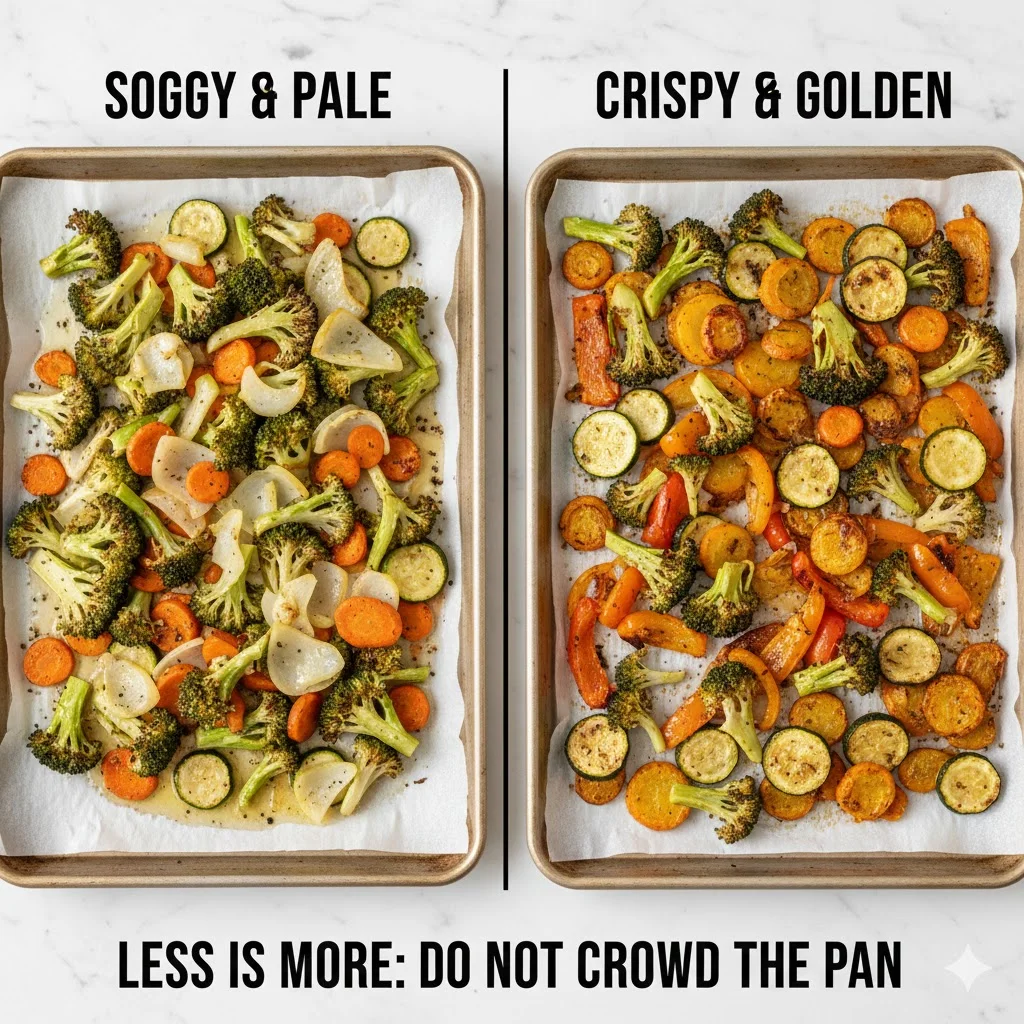
Soggy Vegetables — Causes and Fixes
Soggy vegetables are the most common issue people face when learning this technique. This usually happens because the vegetables are steaming instead of roasting.
Common causes:
- Overcrowding the baking sheet
- Using too much oil
- Oven temperature that’s too low
- Vegetables not dried properly after washing
How to fix it:Always spread vegetables in a single layer with space between each piece. If needed, use two baking sheets instead of one. Keep oil to a light, even coating vegetables should look glossy, not greasy. Roast at 425°F (220°C) or higher for most vegetables, and make sure your oven is fully preheated. Most importantly, dry vegetables thoroughly before tossing them with oil and seasoning.
Burnt Edges — Why It Happens and How to Prevent It
Burnt edges can happen even if you’re following the right steps, especially at higher temperatures.
Why it happens:
- Vegetables cut too small
- Excess sugar in marinades or sauces
- Spices added too early that burn easily
- Roasting too close to the top heating element
How to prevent it: Cut vegetables into evenly sized pieces so they roast at the same speed. If using sweet ingredients like maple syrup or balsamic glaze, add them during the last few minutes of cooking instead of at the start. Delicate spices and fresh garlic should also be added near the end. Keep the pan on the middle rack, and flip vegetables halfway through roasting to prevent one side from burning.
Uneven Cooking — How to Group Vegetables and Stagger Cooking Times
Uneven cooking is another common challenge when mastering oven-roasting, especially when roasting mixed vegetables together.
Why it happens:
- Mixing dense and soft vegetables on the same pan
- Cutting vegetables into uneven sizes
- Adding all vegetables to the oven at the same time
How to fix it: Group vegetables by density. Roast dense vegetables like potatoes, carrots, and beets together, and lighter vegetables like zucchini, peppers, and mushrooms separately. If roasting everything on one pan, start the dense vegetables first and add quicker-cooking vegetables halfway through. Keeping cuts uniform also helps ensure all vegetables finish cooking at the same time.
Fixing these common mistakes will dramatically improve your results and make the process feel simple and reliable every time.
Quick Oven Roasted Vegetables Recipe (Printable Recipe Card)
Servings: 4 Prep Time: 10 minutes Cook Time: 25–35 minutes Dietary Info: Vegetarian, Vegan, Gluten-Free
Ingredients
- 2 cups broccoli florets
- 2 cups cauliflower florets
- 2 medium carrots, sliced ½-inch thick
- 1 medium red bell pepper, cut into strips
- 1 medium zucchini, sliced ½-inch thick
- 3 tablespoons olive oil
- 1 teaspoon salt
- ½ teaspoon black pepper
- 1 teaspoon dried oregano (optional)
- 1 tablespoon lemon juice (optional, for finishing)
Instructions
- Preheat Oven: Preheat your oven to 425°F (220°C). Line a baking sheet with parchment paper or foil.
- Prep Vegetables: Wash and thoroughly dry all vegetables. Cut them into uniform sizes for even roasting.
- Toss with Oil & Seasoning: Place vegetables in a large mixing bowl. Add olive oil, salt, pepper, and oregano. Toss until evenly coated.
- Arrange on Sheet: Spread the vegetables in a single layer on the prepared baking sheet. Avoid overcrowding.
- Roast: Bake in the preheated oven for 25–35 minutes, flipping halfway through. Vegetables should be tender inside with golden-brown edges.
- Finish & Serve: Remove from the oven and, if desired, drizzle with lemon juice. Serve warm as a side dish or mix into salads, bowls, or wraps.
Tips:
- Dense vegetables like carrots may take slightly longer; keep an eye on softer vegetables to prevent overcooking.
- For extra crispiness, use a preheated baking sheet and avoid excess oil.
This oven roasted vegetables recipe is simple, versatile, and perfect for busy weeknights or meal prep. It demonstrates exactly how to achieve healthy, crispy results every time.
FAQs
Q: What temperature is best to bake vegetables in the oven?
For most vegetables, 425°F (220°C) is ideal for roasting. Softer vegetables like zucchini or bell peppers can be roasted at 400°F (200°C), while dense vegetables like carrots, potatoes, or Brussels sprouts benefit from 450°F (230°C) for extra crispiness. Preheating the oven fully ensures even browning and prevents soggy results.
Q: How long do vegetables take to roast?
Roasting time depends on the type and size of the vegetables. Generally, softer vegetables take 15–25 minutes, medium-density vegetables like cauliflower or bell peppers take 25–30 minutes, and dense vegetables like carrots or potatoes take 30–45 minutes. Flip them halfway through for even cooking (see Step-by-Step Guide).
Q: Can you roast frozen vegetables?
Yes, you can roast frozen vegetables, but avoid thawing them first. Toss them lightly in oil and spread in a single layer on the sheet pan. Roast at the usual temperature (425°F / 220°C) for slightly longer than fresh vegetables, keeping an eye on browning and texture.
Q: How do I keep vegetables from getting soggy?
Soggy vegetables usually result from overcrowding, excess oil, or moisture on the surface. To prevent this, spread vegetables in a single layer with space between pieces, use only a light coating of oil, and pat them dry after washing. High heat and preheated pans also help achieve crispy edges (see Tips for Extra-Crispy Oven Roasted Vegetables).
Q: Is roasting healthier than frying?
Yes. Roasting uses minimal oil and relies on dry heat, preserving nutrients while producing a crispy texture. Frying, on the other hand, typically requires large amounts of oil and can increase calories and unhealthy fats. Oven roasting is a simple, healthy way to enjoy flavorful vegetables.
Conclusion & Encouragement
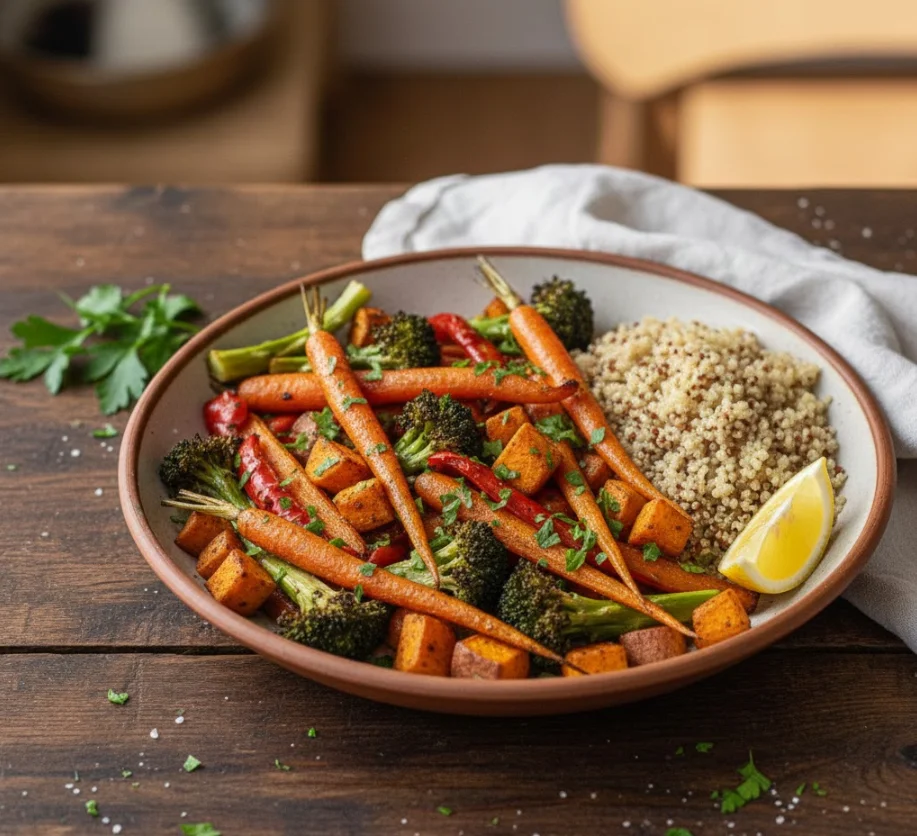
Mastering vegetable roasting is easier than it seems, and once you get the basics right, you’ll have a go-to method for healthy, flavorful meals. Remember the key takeaways:
- Preheat the oven fully and use a hot pan.
- Dry vegetables thoroughly before tossing with oil and seasoning.
- Spread vegetables in a single layer to prevent steaming and achieve crisp edges.
- Finish with acid like lemon juice or vinegar and fresh herbs to enhance flavor.
Don’t be afraid to experiment with different vegetable combinations and seasoning blends; each batch teaches you something new. Try the recipe, save or print it for reference, and share your roasted creations on social media to inspire others.
For more ideas, check out related recipes such as sheet-pan dinners, roasted vegetable salads, and meal-prep bowls to expand your healthy cooking repertoire.