Oven Keeps Tripping Breaker? 7 Easy Fixes
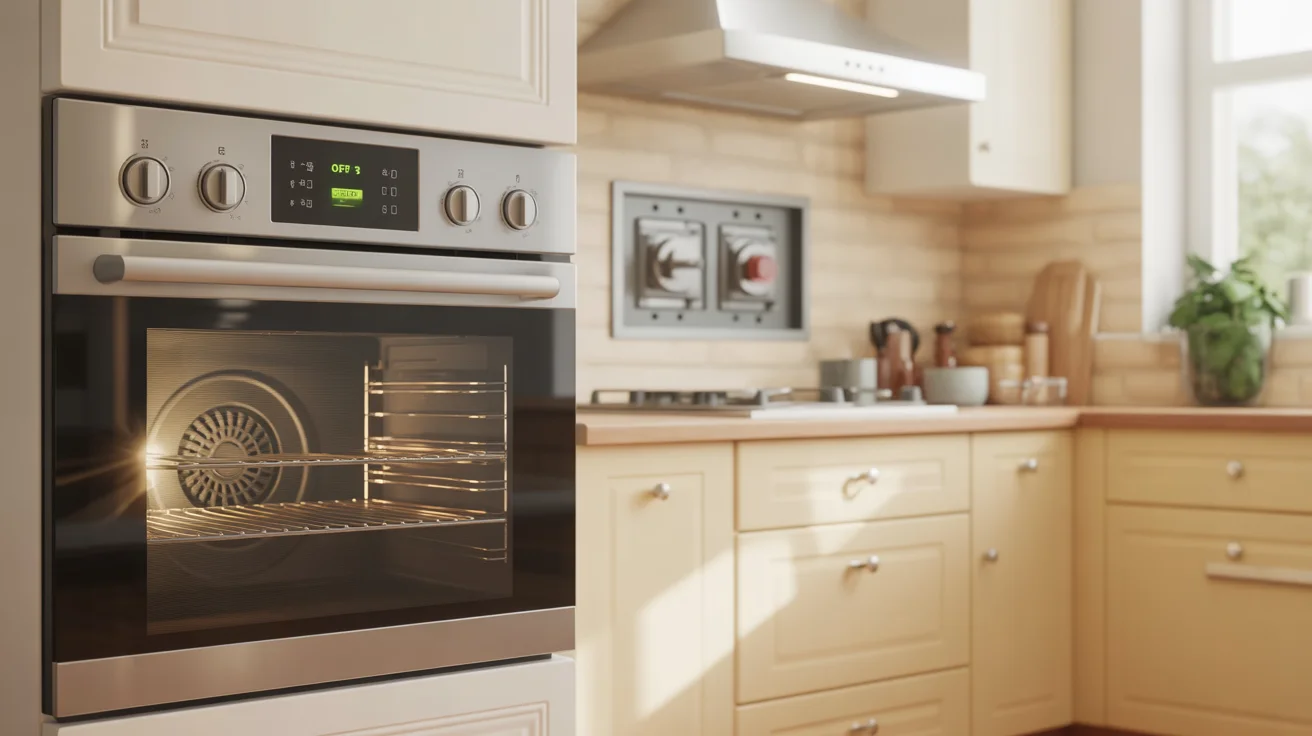
If your oven keeps tripping the breaker, you’re not alone. It’s a common issue that can interrupt meal prep and cause worry about safety. This problem can happen at different times: when preheating, using the broiler, or after the oven has been running for a while. Understanding why your oven trips the breaker is the first step to finding a simple solution.
In this guide, we’ll walk you through easy, safe steps to fix common oven electrical issues. You’ll learn how to identify patterns, perform simple checks, and apply practical solutions that don’t require advanced skills. From quick resets to inspecting cords and heating elements, these methods are designed for beginners, keeping safety front and center.
We’ll also cover common mistakes to avoid, preventive tips to stop future trips, and clear signs that it’s time to call a licensed electrician. By the end of this article, you’ll feel confident handling most scenarios where your oven keeps tripping the breaker and know exactly when a professional should step in. Whether you want a quick fix or a long-term solution, this guide makes troubleshooting straightforward and stress-free.
Quick Safety Checklist
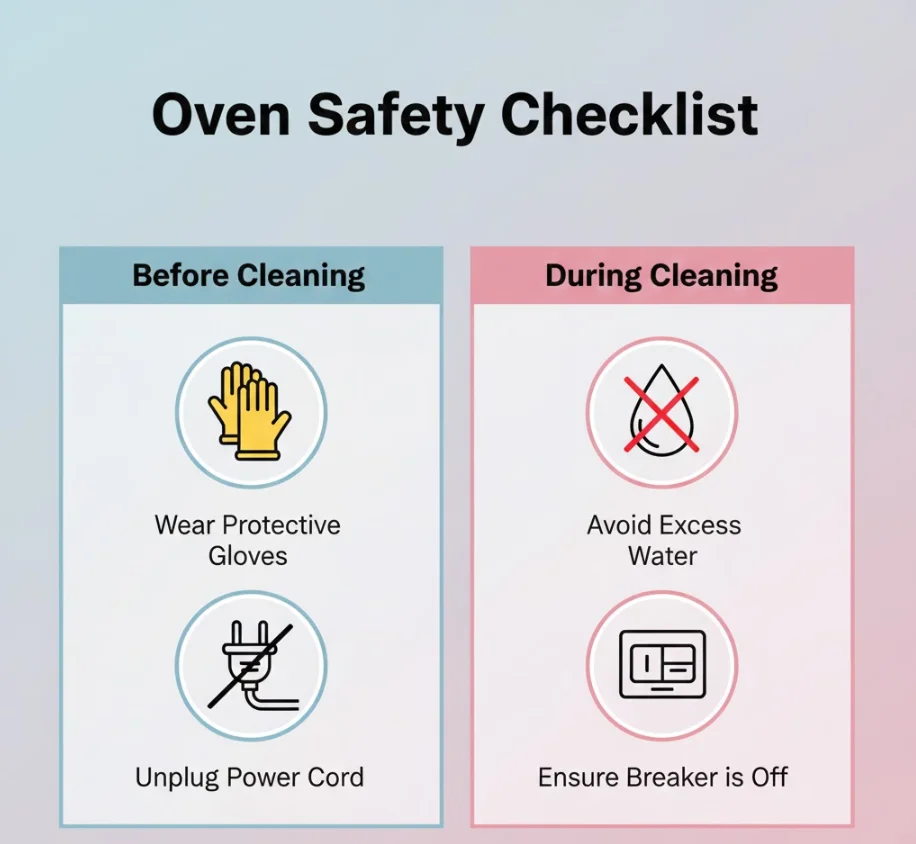
Before diving into troubleshooting, safety is the top priority. If your oven keeps tripping breaker, taking the right precautions will protect you from electrical hazards.
Safety First (What NOT to Do)
- Never touch live wires or components, always turn off the breaker or unplug the oven before inspecting.
- Avoid water near electrical parts to prevent shocks or shorts.
- Do not attempt complex electrical repairs if you’re unsure; it’s safer to call a professional.
Tools You Might Need
- Multimeter (optional, for voltage checks)
- Screwdriver
- Flashlight
- Protective gloves
Following this checklist ensures you can safely investigate why your oven keeps tripping breaker and reduces the risk of accidents while fixing oven electrical issues.
Step-by-Step Troubleshooting Guide
If your oven keeps tripping breaker, it can feel frustrating, but most cases have clear, manageable solutions. This step-by-step guide walks you through simple checks and fixes, helping you identify whether the problem is something you can safely handle or if you need a professional. Follow the steps in order, and pay attention to the outcomes; some issues may require skipping ahead or calling an expert.
Step 1: Confirm the Symptom and Pattern
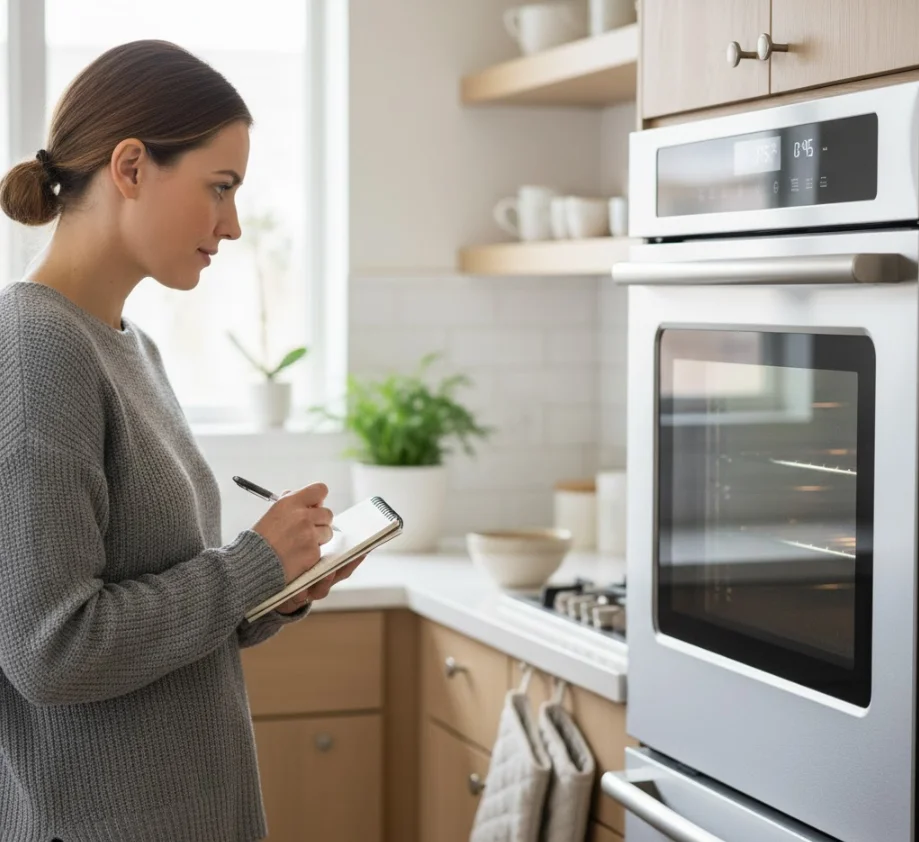
Before making any changes, carefully observe when and how the breaker trips:
- Does it happen only when the oven is on, or do other appliances trigger it too?
- Does the breaker trip immediately after turning the oven on, or after a period of use?
- Is the breaker labeled for the oven? Check your panel to confirm.
Record these details: oven mode (bake, broil, convection), time of day, any unusual smells, sparks, or sounds. Documenting this pattern is the first step in diagnosing why your oven keeps tripping breaker and helps you communicate clearly with a professional if needed.
Step 2: Reset the Breaker Safely and Observe
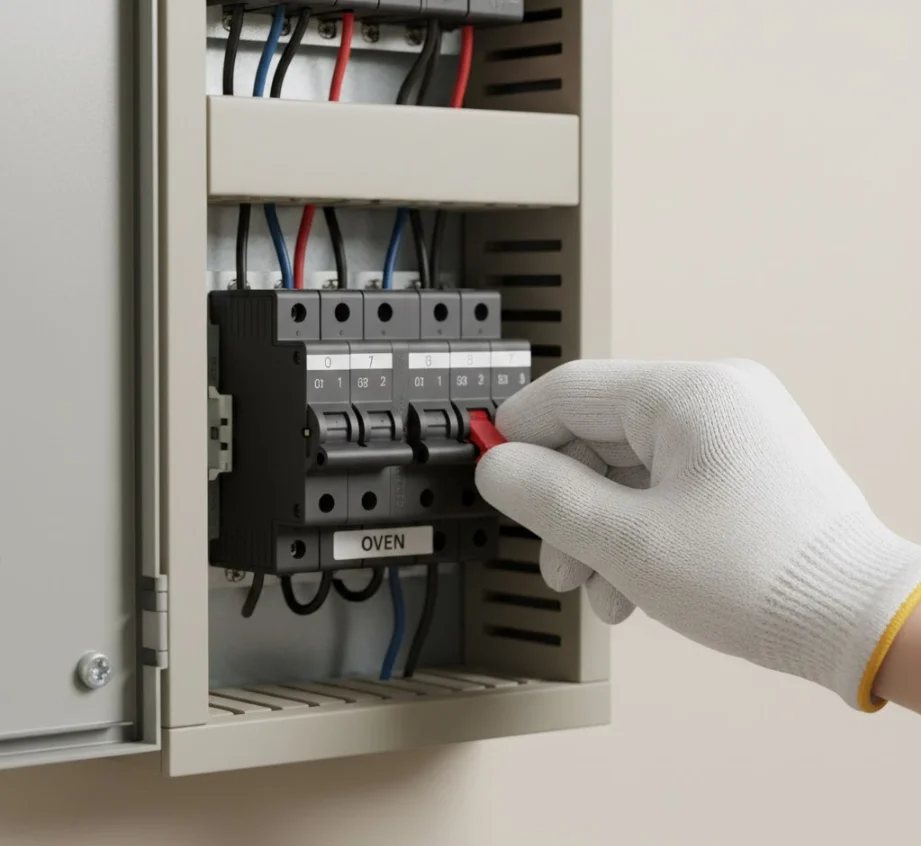
Resetting the breaker allows you to test the oven safely:
- Switch the breaker fully off, then back on.
- Ensure the oven is turned off before resetting.
- Observe the oven during initial use: does it trip immediately or after a few minutes?
- Immediate trip: likely a short circuit in the oven wiring or a faulty component.
- Delayed trip: could indicate overload or a failing heating element.
Taking notes here sets the stage for targeted fixes and safe troubleshooting.
Step 3: Check Power Supply & Outlet/Circuit Basics
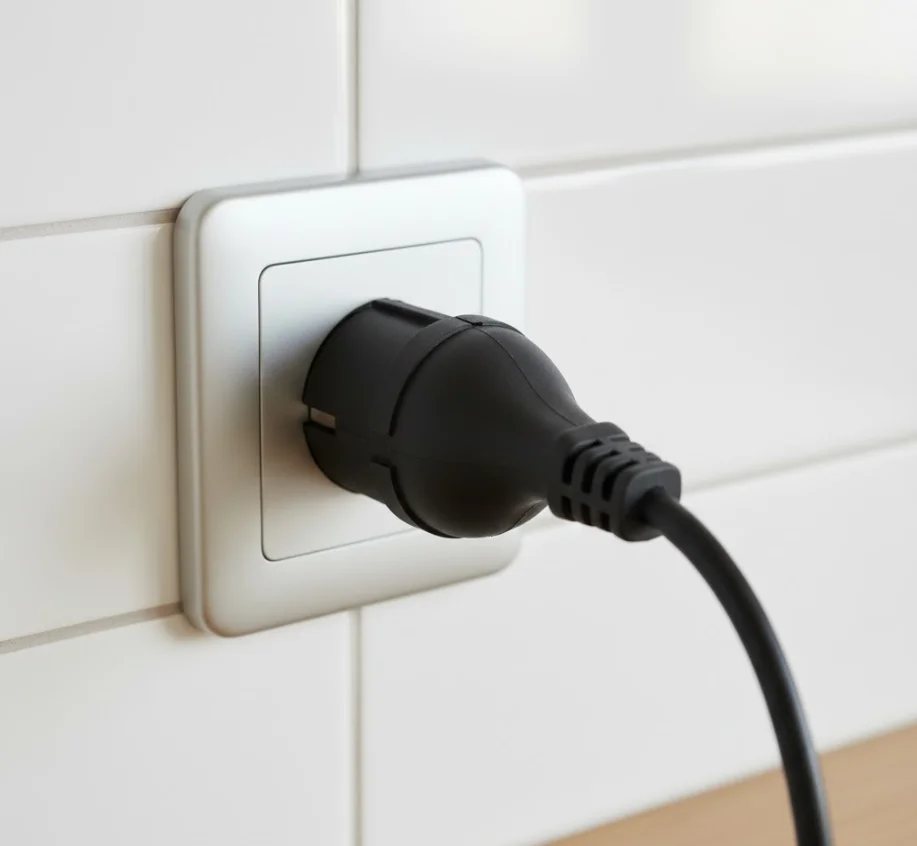
Sometimes the issue isn’t the oven itself but the circuit:
- Inspect the outlet and oven plug for loose connections, scorch marks, or visible damage.
- For plug-in ovens, check that the cord is in good condition and fully inserted.
- Check if your circuit is a GFCI or AFCI type, as these can trip under minor faults.
Quick visual tests are safe for beginners. Avoid opening the oven panel yet live wiring should only be handled by a licensed professional. A clean outlet and secure connection often solve minor electrical issues with your oven.
Step 4: Reduce Circuit Load and Test
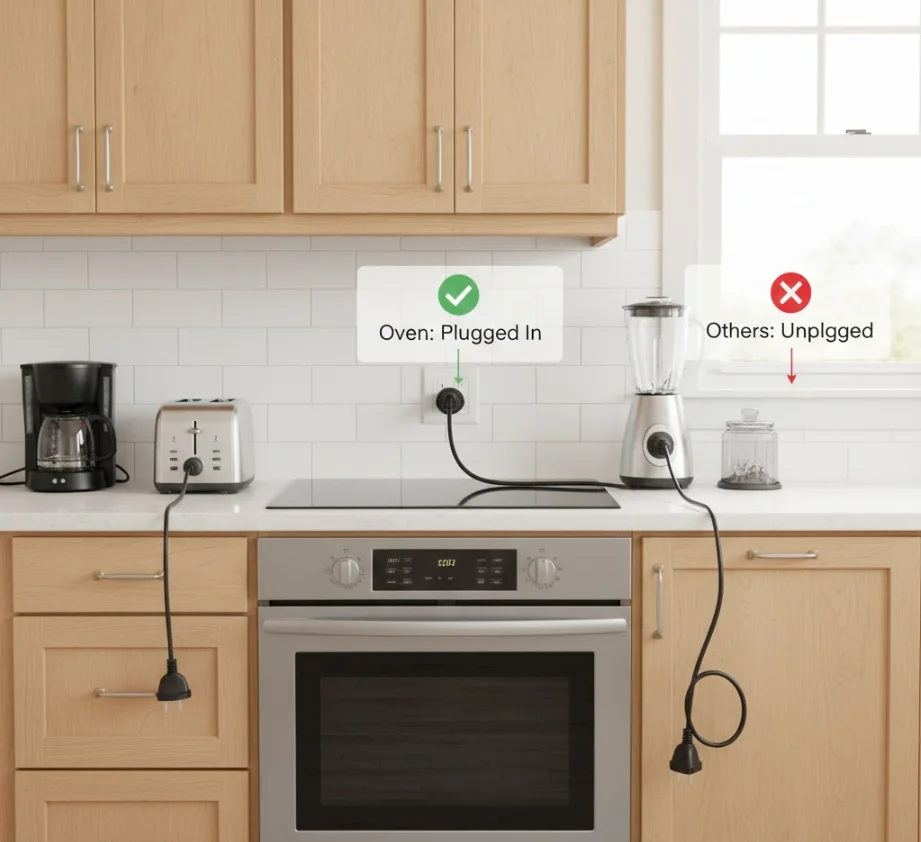
Ovens require significant current. If other appliances are on the same circuit, this can cause trips:
- Turn off or unplug other devices sharing the oven circuit.
- Avoid extension cords; plug the oven directly into the wall outlet.
- Test the oven alone to see if the breaker still trips.
Circuit basics in plain terms: your breaker is rated for a certain number of amps. If the oven plus other devices exceed that limit, it will trip. Isolating the oven can help determine if the problem is overload-related.
Step 5: Inspect Oven Components for Visible Faults
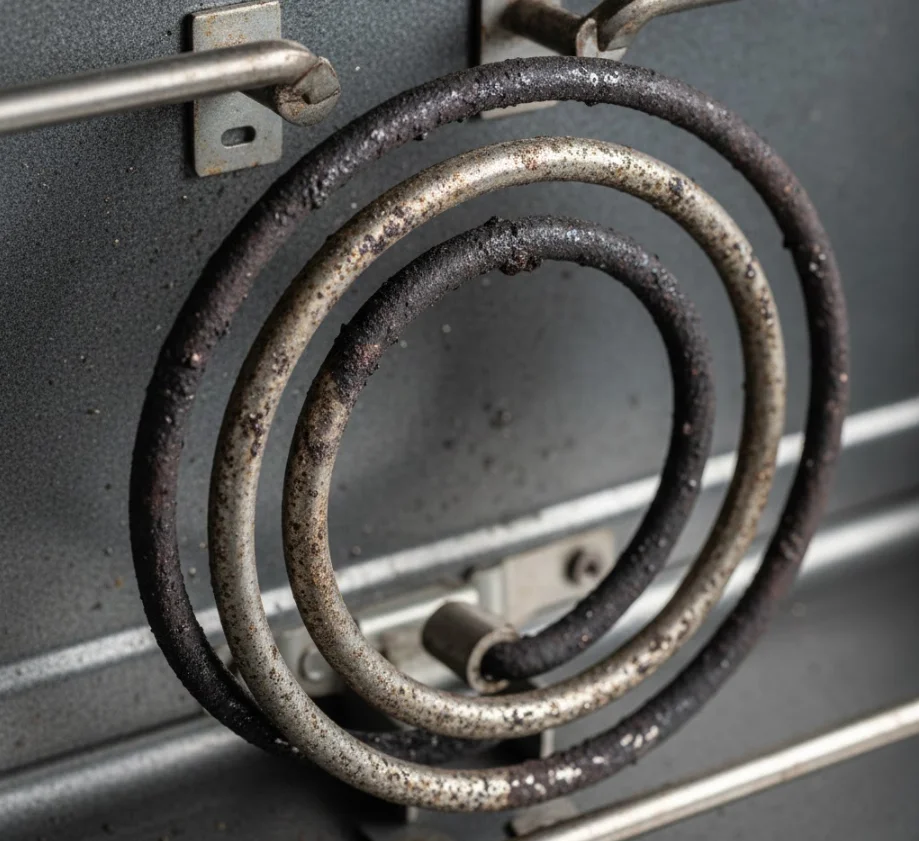
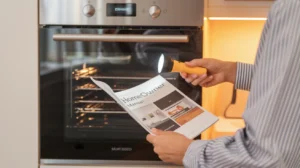
With the oven unplugged, inspect components for obvious signs of trouble:
- Check heating elements for breaks, burn marks, or contact with the oven cavity.
- Inspect the oven light, fan, and visible wiring.
Warning signs of faults include scorched wires, exposed metal touching the oven frame, or visibly broken elements. Identifying these problems is a crucial part of safely fixing your oven’s electrical issues.
Step 6: Look for Moisture, Food Debris, or Damaged Seals
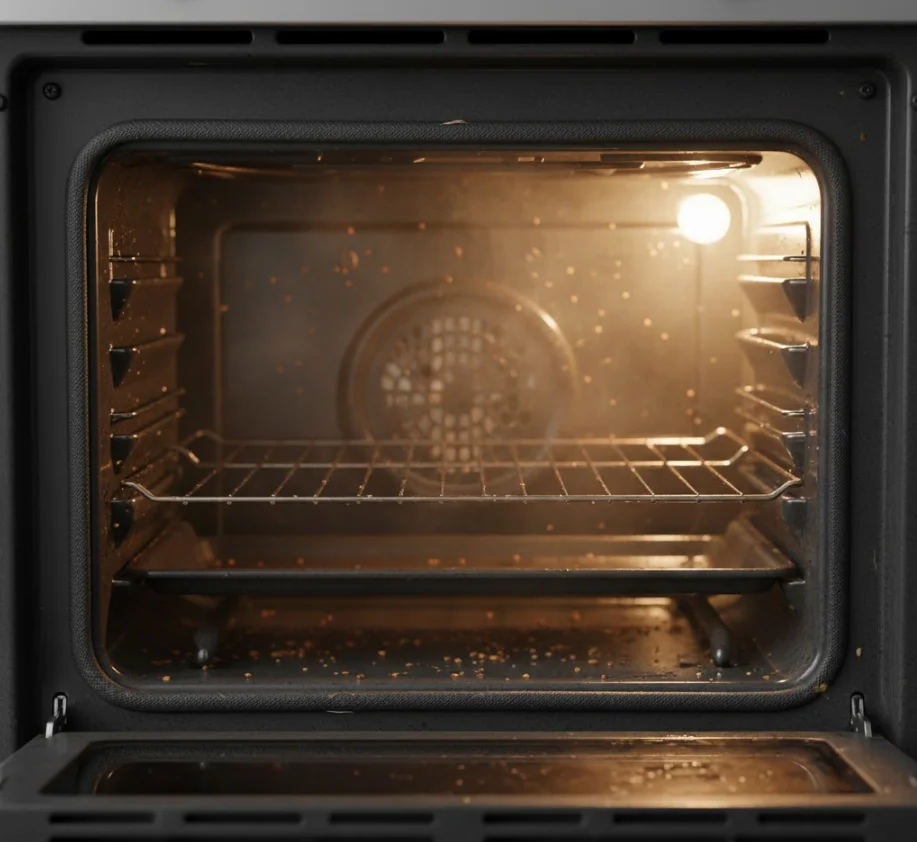
Short circuits can occur if moisture or debris bridges electrical components:
- Check for spills, steam, or rust inside the oven.
- Inspect door seals and internal insulation for damage that might cause shorts.
Cleaning and drying these areas carefully can prevent minor shorts and is often enough to stop repeated breaker trips.
Step 7: When Internal Parts Likely Need Replacement
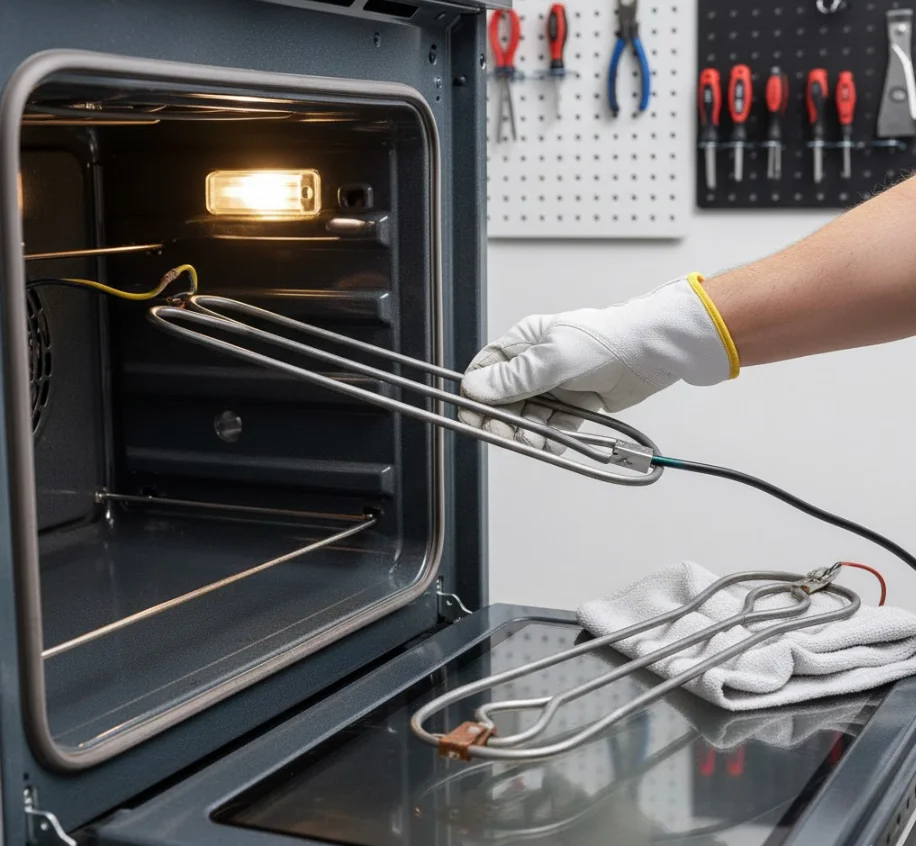
Some problems require replacing components:
- Common culprits: heating element, igniter (for gas ovens), terminal block, or control board.
- DIY-friendly replacements: heating elements or oven light bulbs if you’re confident and the oven is unplugged.
- Call a pro for wiring issues, control boards, or any situation involving live electricity.
Knowing when to stop is key; attempting complex repairs without expertise can worsen the issue or create hazards.
Step 8: Final Tests & Next Steps
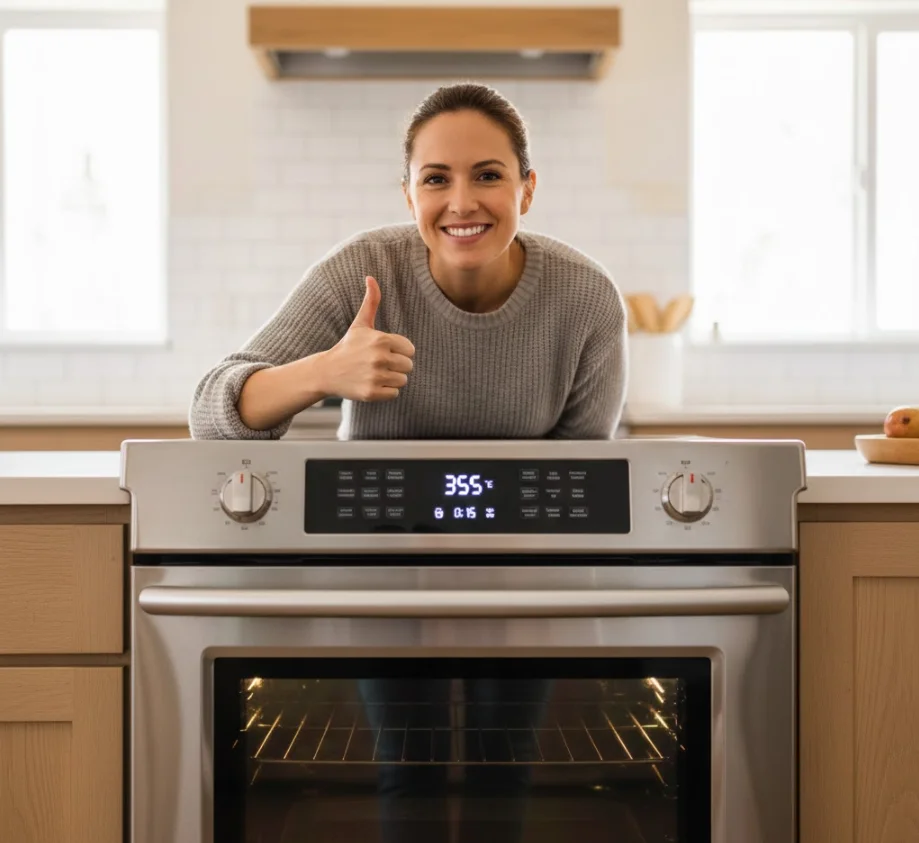
After completing checks and fixes:
- Plug in the oven or restore power.
- Test each function individually (bake, broil, convection).
- If everything works without tripping, follow preventive tips like regular cleaning and circuit load management.
- If the breaker still trips or you’re unsure, stop and call a licensed electrician or appliance technician.
This ensures your oven stays safe to use and prevents damage to your home’s electrical system while you effectively fix the oven’s electrical issue.
Quick Fixes You Can Try Right Now
If your oven keeps tripping breaker, there are a few simple steps you can try before calling a professional. These fixes are safe for beginners and often solve minor issues without complex repairs.
Reset Breaker + Unplug/Replug
Start with the easiest solution: switch the breaker off and then back on, and unplug the oven if possible. After a few minutes, plug it back in and test. This can clear minor electrical glitches that cause trips.
Clean Oven Bottom and Element Area (When Cool)
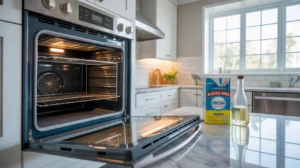
Food spills, crumbs, or grease can create small electrical shorts. Wait until the oven is completely cool, then wipe down the oven bottom and around the heating elements. Keeping these areas clean helps prevent repeated trips.
Tighten External Terminal Screws
Loose connections at the oven’s power terminals can trigger trips. With the power completely off, check the screws on the back of the oven’s terminal block and tighten if necessary. This is a common way to fix oven electrical issues that doesn’t require professional tools.
Move Heavy-Load Devices to Other Circuits
Ovens draw significant power, and having multiple high-load devices on the same circuit can trip the breaker. Temporarily unplug other appliances on the same line and test the oven alone.
These quick fixes often resolve common causes when your oven keeps tripping breaker. If the problem persists, it’s a signal to proceed with deeper troubleshooting or call a licensed technician.
When to Call an Electrician or Appliance Repair
Even with careful troubleshooting, some situations require professional help. If your oven keeps tripping breaker, knowing when to call an expert can prevent hazards and costly damage.
Immediate Call Conditions
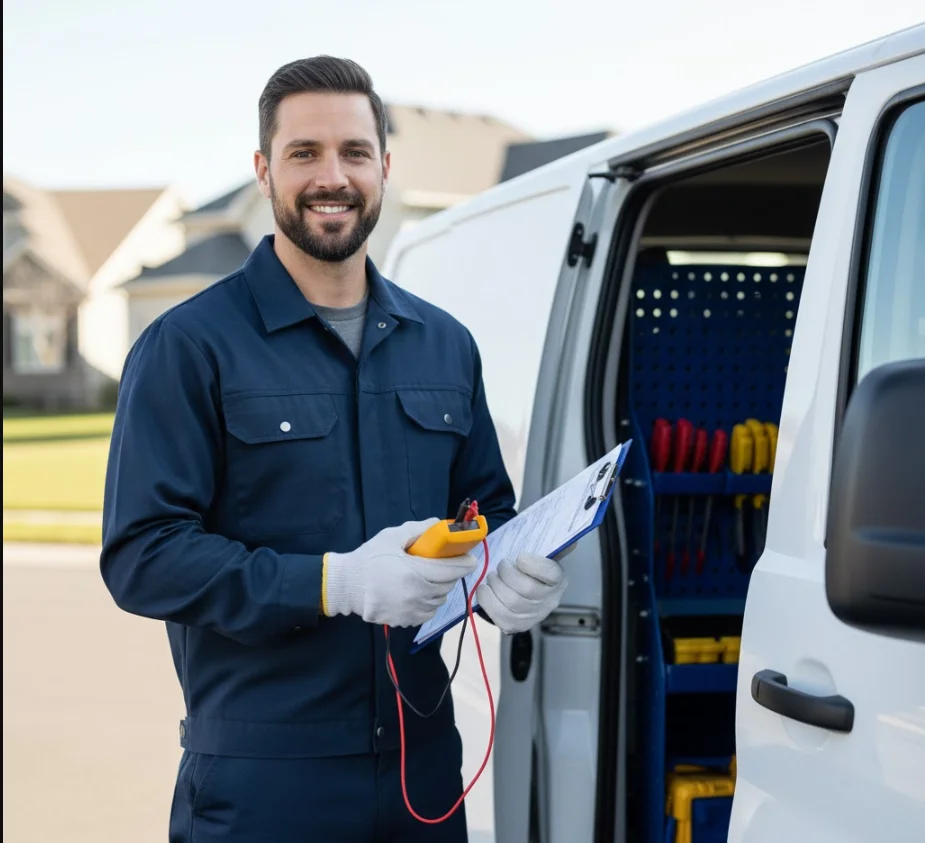
Call a licensed electrician or appliance repair technician if you notice:
- A burning smell or smoke coming from the oven
- Visible sparks or scorching on wires
- The breaker trips immediately after resetting
- Damaged or frayed wiring inside or behind the oven
These are clear signs that the problem goes beyond simple fixes. Attempting to fix oven electrical issues in these cases could be dangerous.
Cost & What to Expect from the Pro
Professional repair costs vary depending on the issue, but typical ranges include:
- Minor electrical repairs (loose wires, terminal fixes): $75–$150
- Component replacement (heating element, control board): $150–$400
- Complex wiring issues or circuit upgrades: $200+
Before calling, have the following ready: oven model, detailed notes on when the breaker trips, photos of any visible damage, and a record of troubleshooting steps you’ve already tried. Providing this information helps the technician quickly identify the problem and perform a safe, effective repair for your oven’s electrical issue.
Preventive Tips to Stop Future Trips
Preventing your oven from tripping the breaker is often easier than fixing repeated problems. Here are simple steps to reduce the risk:
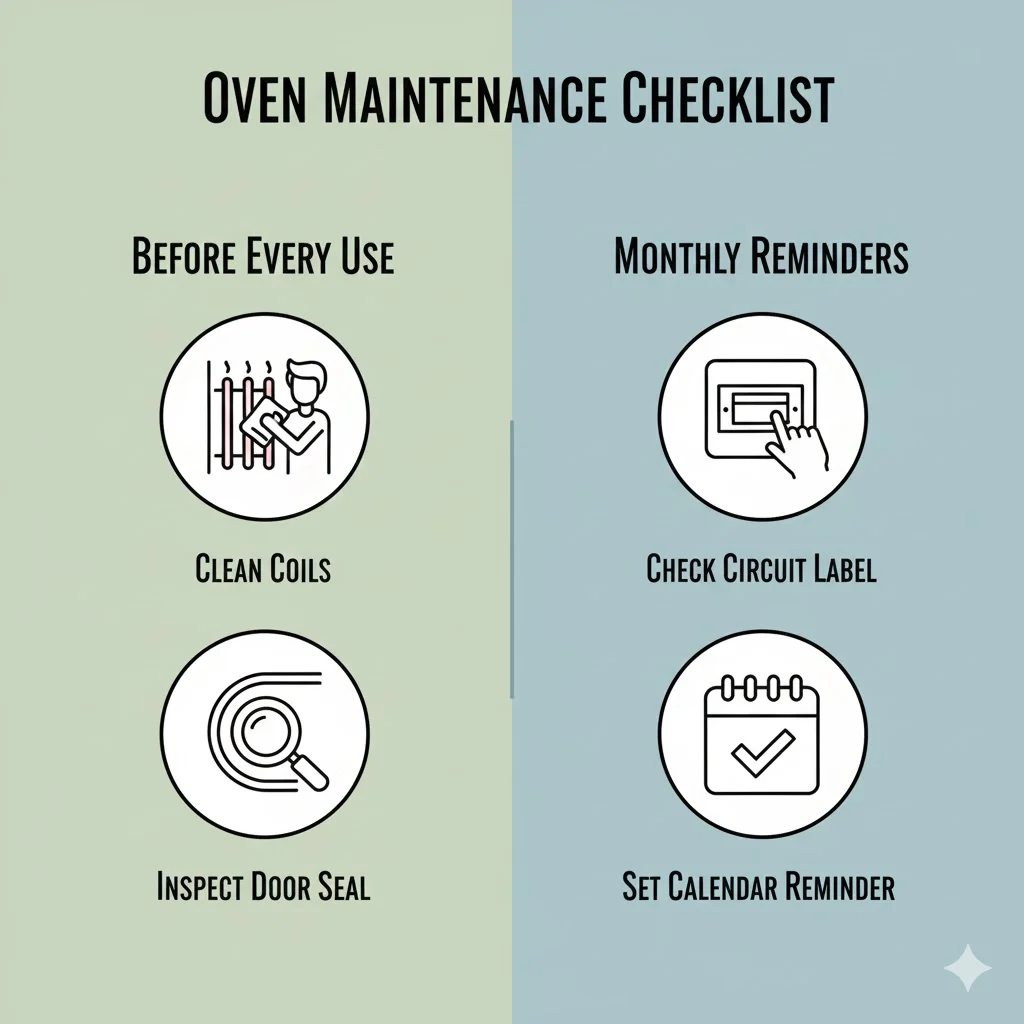
- Regular cleaning: Keep the oven interior, heating elements, and terminals free from food spills, grease, and moisture, which can cause shorts.
- Avoid overloading circuits: Make sure your oven isn’t sharing its circuit with high-load appliances like microwaves or space heaters.
- Schedule periodic inspections: Check wiring, outlets, and oven components periodically for signs of wear.
- Proper installation: Ensure your oven is installed according to manufacturer instructions and matched to the correct circuit amperage.
- Replace aging ovens or upgrade circuits: Older ovens may develop internal faults. Sometimes upgrading the breaker or wiring helps prevent trips.
Following these tips can significantly reduce how often your oven trips the breaker and ensures a safer, more reliable kitchen experience.
Common Mistakes to Avoid
When troubleshooting, beginners often make errors that worsen the problem or create hazards. Avoid these common mistakes if your oven keeps tripping the breaker:
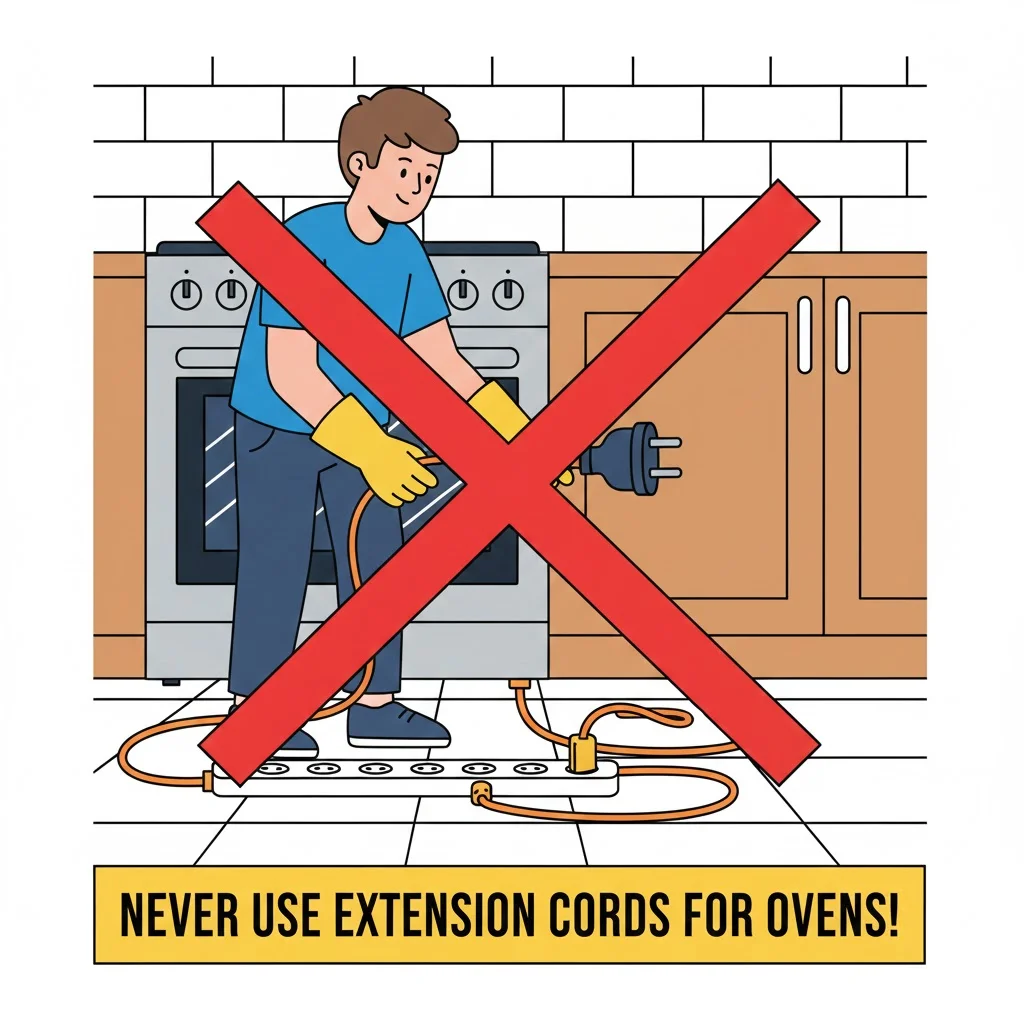
- Using extension cords: Ovens need direct wall connections to prevent overloads.
- Ignoring intermittent trips: Repeated trips can signal a developing electrical fault.
- Attempting live wiring without experience: Working on live circuits can be extremely dangerous.
- Swapping parts without diagnosis: Replacing components randomly may not fix the problem and could increase costs.
Avoiding these mistakes ensures your oven electrical repair is safe and effective, reducing future breaker trips.
FAQ
Why does my oven keep tripping breaker only when I use the broiler?
Using the broiler often draws more power than baking, which can overload the circuit if it’s shared with other appliances or if the wiring is weak. A short in the broiler element or nearby wiring can also trigger trips. Reducing load or inspecting the element can help with this common oven electrical issue fix.
Can a faulty heating element trip the breaker?
Yes. Cracked, burned, or shorted heating elements can create a direct path for electricity, causing the breaker to trip. Inspecting the element visually and replacing it if damaged is a safe way to address why your oven keeps tripping breaker.
Is it safe to keep resetting the breaker?
Repeatedly resetting the breaker without identifying the cause is not safe. It can indicate a persistent short, overload, or faulty component. Frequent trips should be treated as a warning to perform a proper oven electrical issue fix or call a professional.
Can a gas oven trip an electrical breaker?
Yes. Even gas ovens have electrical components like igniters, fans, and control boards. Faulty wiring, a defective igniter, or short circuits in these parts can make the breaker trip. Always check electrical connections when troubleshooting.
How much does repair usually cost?
Minor repairs like tightening connections or replacing a heating element typically cost $75–$150. Component replacements like control boards or terminal blocks can cost $150–$400. Complex wiring issues or circuit upgrades may be more. Costs vary depending on the appliance model and local labor rates.
Could the breaker itself be bad?
Yes. Breakers can wear out or become sensitive over time, causing trips even if the oven is fine. Testing the breaker with a licensed electrician can determine if the issue is the breaker or the appliance.
Is an electrician or appliance tech the right call?
If you notice sparks, burning smells, immediate trips, or internal oven wiring issues, a licensed electrician or appliance repair technician is the safest choice. Attempting a DIY repair in these situations can be dangerous.
How long can I safely use the oven if it trips sometimes?
It’s not recommended to continue using the oven if it trips repeatedly, even intermittently. Each trip indicates a potential electrical hazard. Perform a safe oven electrical issue fix or call a professional to prevent damage or fire risks.
Conclusion & Quick Checklist
If your oven keeps tripping breaker, following safe troubleshooting steps can help you identify and fix common issues without risking injury. Remember: always turn off the breaker before inspecting the oven or attempting any oven electrical issue fix.
Quick Checklist:
- Observe when and how the breaker trips
- Reset the breaker safely and test
- Inspect power cords, outlets, and visible wiring
- Clean the oven interior and heating elements
- Reduce circuit load and avoid sharing the breaker with other appliances
- Call a licensed electrician if problems persist
By following this checklist, you can prevent repeated trips and ensure a safer kitchen. Share your symptoms or tips in the comments to help others troubleshoot too!