To use a convection oven, lower the recipe temperature by 25°F (about 15°C), use low-sided pans, and start checking your food about 25% earlier than the recipe says. Here's exactly how convection works, when to use it, when to skip it, and a converter for any recipe.
Convection Temperature Converter
Enter the temperature and time from your recipe to get convection settings.
- What a convection oven does
- How to use it, step by step
- Temperature conversion chart
- Food-by-food guide
- When to use and skip convection
- Convection modes explained
- Pans and rack tips
- Multi-rack baking
- Convection vs regular oven
- Holiday cooking tips
- Troubleshooting
- No convection? Countertop options
- FAQs
What Does a Convection Oven Do?
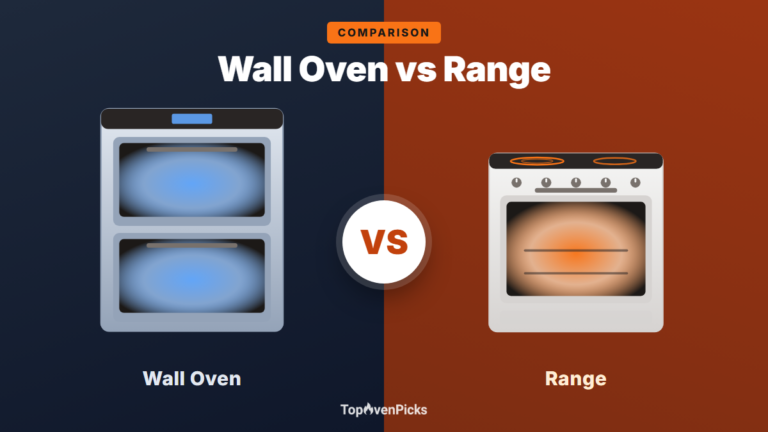
A convection oven uses a fan to circulate hot air around the food. Moving air transfers heat faster than still air, so food browns better, cooks about 25% faster and bakes more evenly across multiple racks.
A regular (conventional) oven heats with elements at the top and bottom, and the air inside stays mostly still. That creates hot and cool spots and a layer of cooler air right around the food. A convection fan breaks up that layer and keeps hot air moving, which is why convection gives crisper skin, deeper browning and more even results when several pans are in the oven at once.
There are two main types. Fan convection simply adds a fan to circulate air from the regular elements. True convection (also called European or third-element convection) adds a heating element around the fan, so the air is heated as it circulates. True convection is more even and is common in mid- to high-end ranges, such as many of the best induction ranges and wall ovens.
How to Use a Convection Oven, Step by Step
- Choose the right modePick Convection Bake for cookies, pastries and casseroles, or Convection Roast for meats and vegetables. Check your manual, since some ovens call it "Fan Bake" or "True Convection". Our convection bake vs bake guide explains when to use each.
- Lower the temperature by 25°FReduce the recipe temperature by 25°F (about 15°C). Many newer ovens do this automatically, a feature called auto convection conversion, so check whether your display already shows a lower number.
- Preheat fullyLet the oven finish preheating before the food goes in. Convection ovens usually preheat a little faster. See our guide to preheating any oven.
- Use low-sided pans and leave spaceRimmed baking sheets and shallow roasting pans let air reach the food. Leave at least an inch between pans and the oven walls.
- Load several racks if neededConvection is ideal for baking two or three sheets of cookies at once. Space the racks evenly so air can flow between them.
- Check earlyStart checking at about 75% of the recipe time. Use a thermometer for meat and the usual visual cues for baked goods.
- Keep the door closedOpening the door lets hot air escape and stops the fan on many ovens. Use the oven light to check progress.
Lower the temperature or shorten the time? For baking, lower the temperature by 25°F and check early. For roasting, many cooks keep the recipe temperature and just shorten the cook time, which gives extra browning. Don't do both at full strength, or food may come out underdone.
Convection Oven Temperature Conversion Chart
Use this chart to convert any recipe written for a regular oven. The convection temperature is about 25°F (15°C) lower.
| Regular oven | Convection oven | Celsius (regular → convection) | Common uses |
|---|---|---|---|
| 300°F | 275°F | 150°C → 135°C | Slow-baked meringues, low-and-slow ribs |
| 325°F | 300°F | 165°C → 150°C | Cheesecake (better without convection), pound cake |
| 350°F | 325°F | 175°C → 160°C | Cookies, casseroles, brownies |
| 375°F | 350°F | 190°C → 175°C | Muffins, pies, chicken pieces |
| 400°F | 375°F | 200°C → 185°C | Roasted vegetables, sheet-pan dinners |
| 425°F | 400°F | 220°C → 205°C | Roast potatoes, puff pastry, salmon |
| 450°F | 425°F | 230°C → 215°C | Pizza, crispy wings, roasted broccoli |
| 475°F | 450°F | 245°C → 230°C | Pizza on a stone, high-heat roasting |
Convection Cooking Guide by Food
These are typical starting points. Always check doneness with a thermometer or visual cues, as ovens vary.
| Food | Convection setting | Time vs recipe | Tip |
|---|---|---|---|
| Whole chicken | Convection Roast, recipe temp or −25°F | About 25% less | Pull at 160–162°F in the breast; it rises to 165°F as it rests |
| Turkey | Convection Roast, 325°F | About 25–30% less | Tent the breast with foil if it browns too fast. See how to bake turkey |
| Beef or pork roast | Convection Roast, −25°F | About 25% less | Use a probe thermometer and a low-sided pan |
| Roasted vegetables | Convection, 400–425°F | About 20–25% less | Spread in one layer. See how to bake vegetables |
| Cookies | Convection Bake, −25°F | 1–3 min less | Bake 2–3 sheets at once and skip rotating |
| Pie crust and pastry | Convection Bake, −25°F | About 10–15% less | Gives flakier, more evenly browned layers |
| Bread | Regular bake first, convection to finish | Similar | Use convection in the last 10 minutes for a crisper crust |
| Pizza | Convection, 425–450°F | About 15–20% less | Bake on a preheated stone or steel |
| Frozen fries and nuggets | Convection or Air Fry, package temp −25°F | About 20% less | Flip halfway for even crisping |
| Fish fillets | Convection, 375–400°F | About 20% less | Cook to 145°F; check thin fillets early |
When to Use Convection (and When Not To)
Use convection for
- Roast chicken, turkey and beef
- Roasted vegetables and potatoes
- Cookies on several racks at once
- Pie crusts, puff pastry and croissants
- Crispy wings, fries and frozen snacks
- Toasting nuts and dehydrating fruit
- Reheating fried food so it stays crisp
Skip convection for
- Cakes, especially light sponge and chiffon
- Quick breads and muffins that need a tall rise (or test first)
- Custards, flan and crème brûlée
- Cheesecake and soufflés
- Covered braises and casseroles (no benefit)
- Delicate batters that can set unevenly
The moving air that crisps a chicken can also make cake batter set on the outside before it fully rises, giving domed or lopsided cakes. Moist, delicate dishes do better with still, gentle heat. When in doubt, bake one test batch both ways.
Convection Modes Explained
| Mode | What it does | Best for |
|---|---|---|
| Convection Bake | Fan circulates heat evenly; often auto-converts the temperature | Cookies, pastries, multi-rack baking |
| Convection Roast | Fan plus stronger top heat for browning | Meats, poultry, vegetables |
| True / European convection | A third element around the fan heats the moving air | The most even baking on multiple racks |
| Convection Broil | Broiler plus fan for faster, even browning | Thick steaks, chops, finishing gratins |
| Air Fry | High heat with a fast fan, like a countertop air fryer | Fries, wings, breaded foods |
| Dehydrate | Low heat with the fan running | Fruit, jerky, herbs |
Some ovens auto-convert the temperature in Convection Bake but not in Convection Roast. Check your oven's manual so you don't lower the temperature twice. Want to know if your oven runs true to its display? Our guide on how to test oven temperature takes about 20 minutes.
Pan and Rack Tips for Convection Cooking
- Use low-sided pans. Rimmed baking sheets and shallow roasting pans let moving air reach the food. Tall-sided pans block the airflow.
- Choose light-colored metal pans. Dark pans brown faster, and with convection they can over-brown the bottoms.
- Don't overcrowd. Leave space between pieces of food and between pans. Crowded food steams instead of browning.
- Avoid covering food unless needed. Foil blocks the airflow that makes convection useful. Tent loosely only if something is browning too fast.
- Space your racks evenly. For three racks, use the bottom, middle and top-middle positions and leave room between them.
- Keep the fan clear. Don't block the fan cover at the back of the oven with pans or foil.
How to Bake on Multiple Racks with Convection
Multi-rack baking is where convection shines. In a regular oven, the top pan shades the bottom one and you have to swap and rotate pans halfway through. With convection, the fan keeps the temperature even from top to bottom, so you can bake two or three sheets of cookies, rolls or roasted vegetables at once.
- Set up the racks first. For two pans, use the second and fourth positions from the bottom. For three, use the bottom, middle and upper-middle positions.
- Use matching pans. Pans of the same size and color bake at the same rate, so everything is done together.
- Stagger if your oven is small. Offset the pans slightly so they aren't directly on top of each other, which helps the air move.
- Add a few minutes. A fully loaded oven may need 1–3 minutes more than a single pan, even on convection.
- Check the bottom pan first. In some ovens the pan nearest the bottom element finishes slightly sooner.
Convection vs Regular Oven: Quick Comparison
For a deeper look at the differences, read our full convection vs conventional oven comparison.
| Regular (conventional) bake | Convection | |
|---|---|---|
| How heat moves | Still air from top and bottom elements | Fan circulates hot air |
| Cooking speed | Standard recipe times | About 25% faster |
| Browning and crisping | Good | Better and more even |
| Multi-rack baking | Needs rotating pans | Even without rotating |
| Delicate cakes and custards | Best choice | Can dome, crack or dry |
| Energy use | Standard | Often slightly lower (shorter, cooler cooking) |
You don't have to choose one or the other: most convection ovens let you switch between regular bake and convection, so you can use whichever suits the recipe.
Using Convection for Holiday Cooking
Convection is especially useful for big holiday meals, when the oven is full and timing is tight. A convection-roasted turkey usually cooks noticeably faster than in a regular oven, so start checking the breast temperature well before the recipe time and plan your sides around it. While the turkey rests, switch to convection to bake rolls and roast vegetables on multiple racks at once.
Use regular bake for pies with custard fillings, such as pumpkin, and for cheesecakes, which can crack with moving air. Fruit pies, on the other hand, do well with convection because the crust browns evenly. A wireless meat thermometer takes the guesswork out of convection roasting: set the target temperature and the alarm tells you when to pull the roast.
Caring for Your Convection Fan
The convection fan sits behind a metal cover at the back of the oven. Grease can build up on the cover over time, which can cause smoke and odors. Wipe the cover with a degreaser when the oven is cool, but never spray cleaner into the fan itself. If the fan becomes noisy, squeals or stops running, turn the oven off and contact a service technician, as a failing fan motor can lead to uneven cooking. For cleaning tips, see our guide to the best oven cleaners.
Convection Oven Troubleshooting
| Problem | Likely cause | Fix |
|---|---|---|
| Food is dry | Temperature too high or cooked too long | Lower by 25°F and check earlier; use a meat thermometer |
| Outside done, inside raw | Temperature not reduced | Lower the temperature and extend the time slightly |
| Cakes dome or crack | Moving air sets the top too fast | Bake cakes on regular bake instead |
| Cookies spread too much | Oven too hot, dough too warm | Lower 25°F and chill the dough |
| Parchment lifts and flies | Strong fan | Weigh the corners down with the dough or use a silicone mat |
| Fan doesn't run | Door open, preheat phase or a fault | Many fans pause during preheat or when the door opens; if it never runs, check the manual or call service |
| Uneven browning | Crowded pans or a blocked fan | Space pans out and keep the fan cover clear |
If your oven heats unevenly even in convection mode, see why your oven cooks unevenly, or check our oven not heating properly guide.
No Convection Oven? Countertop Options
If your range doesn't have convection, a countertop convection or air fryer oven gives you the same benefits for everyday cooking. These are three of the highest-rated options on Amazon:


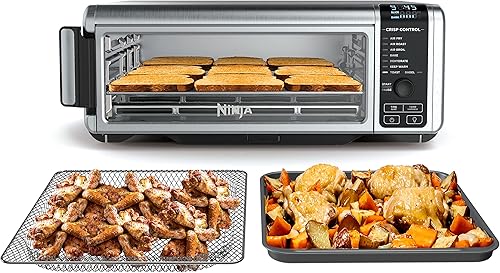
See our full picks for the best countertop convection ovens, convection ovens under $200 and the best convection ovens for baking. Wondering how an air fryer compares? Read air fryer oven vs oven.
Convection Oven FAQs
How do I convert a regular recipe for a convection oven?
Lower the temperature by 25°F (about 15°C) and start checking the food at about 75% of the recipe time. If your oven has auto convection conversion, it lowers the temperature for you, so enter the recipe temperature as written.
Does a convection oven cook faster?
Yes. Because moving air transfers heat faster, convection usually cooks about 25% faster than a regular oven at the same temperature. That's why recipes either lower the temperature, shorten the time, or both slightly.
Should I use convection for baking cakes?
Usually not. The moving air can set the outside of the batter before the cake fully rises, causing domes, cracks or a dense texture. Use regular bake for cakes, custards and cheesecakes.
Do you need to preheat a convection oven?
Yes. Preheat to the converted temperature before the food goes in. Convection ovens often preheat a little faster than regular ovens.
Can I use aluminum foil in a convection oven?
Yes, but use it sparingly. Foil blocks the airflow that makes convection work. Line a pan if needed, tent loosely to slow browning, and never cover the fan or the oven floor.
Is an air fryer the same as a convection oven?
An air fryer is a small convection oven with a faster, more powerful fan in a smaller space. That's why it crisps food so quickly. Many full-size ovens and countertop ovens now include an Air Fry mode that works the same way.
What is the difference between convection bake and convection roast?
Convection Bake circulates heat evenly for baked goods and multi-rack baking. Convection Roast adds more heat from the top element for browning meats and vegetables. Some ovens auto-convert the temperature only in Convection Bake.
Why is my food drying out in the convection oven?
The temperature is probably too high, or the food is cooking too long. Lower the temperature by 25°F, check earlier, and use a meat thermometer so you can pull meat at the right moment.
Can you bake bread in a convection oven?
Yes. Many bakers start bread on regular bake for the first part of the bake so it can rise fully, then switch to convection near the end for a crisp, evenly browned crust.
Is a convection oven worth it?
For most home cooks, yes. Convection gives crisper roasts, more even multi-rack baking and faster cooking. You can still use regular bake for cakes and custards, so you lose nothing by having both options.
The Bottom Line
Using a convection oven is simple: lower the recipe temperature by 25°F, use low-sided pans, leave room for air to flow, and check your food early. Use it for roasting, cookies, pastry and anything you want crisp, and switch back to regular bake for cakes and custards.
Keep the converter and chart above handy the next time you adapt a recipe.
TopOvenPicks is reader-supported. When you buy through links on our site, we may earn an affiliate commission at no extra cost to you. Prices and availability change often, so always confirm details on Amazon.