The best oven cleaner depends on how dirty your oven is: a heavy-duty spray for years of baked-on grease, or a fume-free formula or paste for regular cleaning. We compared the top-rated oven cleaners on Amazon, and these eight are worth buying.
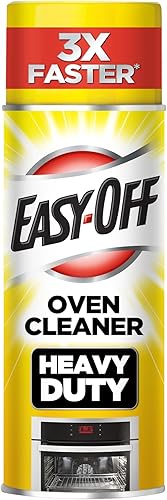
Easy-Off Heavy Duty
The classic heavy-duty cleaner for baked-on grease.

Easy-Off Fume Free
Gentler formula for regular cleaning.

Zep Heavy-Duty Oven & Grill
Commercial-strength foam for ovens, grills and drip pans.

Weiman Cooktop & Oven Kit
The highest-rated kit for glass, ceramic and induction surfaces.

Carbona Oven Rack Cleaner
Bag, coat, rinse: no scrubbing racks in the tub.

Astonish Oven & Grill Paste
A paste that cleans without caustic fumes.
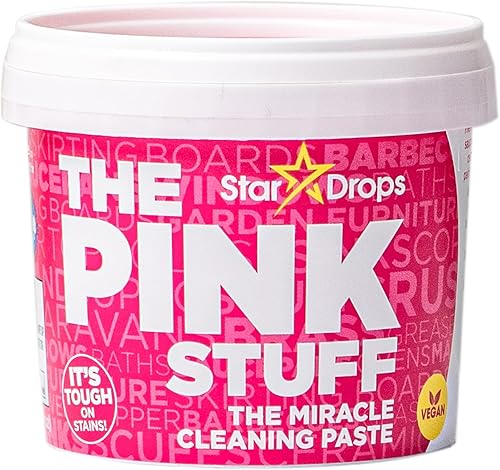
The Pink Stuff Paste
A cult-favorite paste for ovens, sinks and more.

Bar Keepers Friend Cooktop
A gentle liquid cleanser for glass, ceramic and oven doors.
Quick Answer: The Best Oven Cleaners
- Best overall: Easy-Off Heavy Duty. Dissolves thick, baked-on grease in as little as 5 minutes, with 4.6 stars from 17,000+ owners.
- Best fume-free: Easy-Off Fume Free. No harsh fumes and no gloves required.
- Best for heavy buildup: Zep Heavy-Duty Oven & Grill. Restaurant-grade foam for years of grease.
- Best for glass doors: Weiman Kit · Best for racks: Carbona 2-in-1
Oven Cleaners Compared
Prices change often, so tap Check to see today's price on Amazon.
| Cleaner | Type | Strength | Fumes | Best for | Price |
|---|---|---|---|---|---|
| Easy-Off Heavy Duty Best Overall | Caustic foam | Very strong | Strong | Deep cleaning | Check |
| Easy-Off Fume Free Best Fume-Free | Fume-free spray | Strong (slower) | Minimal | Regular cleaning | Check |
| Zep Heavy-Duty Restaurant-Grade | Caustic foam | Very strong | Moderate | Ovens and grills | Check |
| Weiman Kit Glass & Cooktops | Cream + scraper | Medium | None | Door glass, cooktops | Check |
| Carbona 2-in-1 Oven Racks | Soak + bag | Strong | None | Racks and grates | Check |
| Astonish Paste Natural Paste | Orange-oil paste | Medium | Low | Regular cleaning | Check |
| The Pink Stuff Multi-Purpose | Mild abrasive paste | Light–medium | None | Spot cleaning | Check |
| Bar Keepers Friend Non-Scratch Liquid | Liquid cleanser | Light–medium | None | Glass cooktops | Check |
How We Chose
We started with the oven cleaners sold on Amazon in the US and kept products rated 4.3 stars or higher from at least a thousand owners. We then compared them using manufacturer directions and listing data:
- Cleaning power: how well each type handles light spills versus thick, baked-on carbon.
- Fumes and safety: whether gloves, ventilation or protective gear are needed.
- Surfaces: which oven finishes, doors, racks and cooktops each product is safe for.
- Ease of use: dwell time, scrubbing needed and how the product is applied.
- Owner feedback: the most common praise and complaints in Amazon reviews.
Our "What owners say" notes summarize Amazon's review highlights and owner reviews in our own words. Always follow the directions on the label, which override general advice.
The Best Oven Cleaners, Reviewed
Easy-Off Heavy Duty Oven Cleaner
The most trusted heavy-duty oven cleaner: it dissolves thick, baked-on grease fast with very little scrubbing.
Why we picked it
Easy-Off Heavy Duty is the cleaner most people reach for when an oven is truly dirty, and with more than 17,000 ratings at 4.6 stars, it's the best-reviewed oven cleaner we found. The thick foam clings to the oven walls and door and starts breaking down baked-on grease in as little as five minutes.
It works on warm or cold ovens, oven doors, broiler pans and stainless steel. Like all caustic cleaners, it's powerful but harsh: wear gloves, open a window, and keep it off heating elements, aluminum and the door gasket. Check the label before using it on a self-cleaning oven.
Owners say it removes grease and grime and makes their ovens look new, with minimal scrubbing. The strong smell is the most common complaint. A few report damaged finishes, which usually comes from using it on surfaces the label warns against.
What we like
- Cuts through heavy, baked-on grease
- Fast: works in as little as 5 minutes
- Clings to vertical surfaces
- Huge, consistent owner base
Watch out for
- Strong fumes
- Gloves and ventilation required
- Can damage some finishes if misused
Easy-Off Fume Free Oven Cleaner
The best everyday oven cleaner: no harsh fumes, no gloves required, and strong enough for months of grease.
Why we picked it
If the smell of traditional oven cleaner sends you out of the kitchen, the Fume Free version is the answer. Easy-Off says it's safe to use without gloves, and owners say it removes years of grease without the eye-watering odor. It also works in air fryers.
The trade-off is speed. Fume-free formulas need more time to work, so plan to leave it on for longer, or overnight for heavy buildup. The larger 24-ounce can covers several deep cleans.
Owners say it removes years of grease without fumes and works on cold ovens, and they like that gloves aren't needed. Some report the cap is hard to remove or the can doesn't spray properly.
What we like
- No harsh fumes
- No gloves required
- Safe for frequent use
- Also cleans air fryers
Watch out for
- Needs longer dwell time
- Some owners report spray nozzle issues
Zep Heavy-Duty Oven and Grill Cleaner
A restaurant-grade foam that dissolves grease on contact, and a great value in a two-can pack.
Why we picked it
Zep makes cleaning chemicals for commercial kitchens, and this heavy-duty oven and grill cleaner brings that strength home. The thick foam clings to surfaces while the grease-cutting formula works into baked-on deposits, and owners report removing more than a decade of grease in about an hour.
It's rated for stainless steel, porcelain and ceramic, which makes it handy for burner grates, drip pans, rotisseries and grills as well as the oven. The two-can pack is good value if you clean several appliances.
Owners say it removed more than a decade of grease in about an hour with little scrubbing, and many say the smell is milder than they expected. They call it a go-to cleaner and good value.
What we like
- Very strong on old, heavy grease
- Owners say the smell is milder than expected
- Two large cans per pack
- Works on grills and drip pans
Watch out for
- Gloves and ventilation still needed
- Smaller owner base than Easy-Off
Weiman Cooktop & Oven Cleaner Kit
A non-scratch cream, pads and razor scraper that make glass oven doors and smooth cooktops look new.
Why we picked it
With more than 86,000 ratings at 4.7 stars, the Weiman kit is one of the most popular cleaning products on Amazon. Its micro-bead cream breaks down burnt-on spills without scratching glass, which makes it ideal for the inside of a glass oven door as well as glass, ceramic and induction cooktops.
The kit includes three non-scratch pads and a razor scraper for stubborn spots. It's not a degreaser for the whole oven cavity, but it's the best tool for the door window and the cooktop above it. For a full guide, see how to clean an oven glass door.
Owners say it removes stains, leaves surfaces streak-free and makes stovetops look new. They like the included scrubbers and razor blade, and many say they'll buy it again.
What we like
- Won't scratch glass or ceramic
- Scraper handles burnt-on spots
- Streak-free shine
- No fumes
Watch out for
- Not meant for the whole oven interior
- Takes some elbow grease on thick carbon
Carbona 2-in-1 Oven Rack & Grill Cleaner
The easiest way to clean oven racks: put them in the bag, add the cleaner, and rinse them clean the next day.
Why we picked it
Oven racks are the hardest part of the oven to clean, and Carbona makes it almost effortless. Place the racks in the included extra-large bag, pour in the solution, seal it, and leave it overnight. The next day, the baked-on residue rinses away.
It's odor-free, safe for septic systems and works on stainless steel and enamel racks and grill grates. Some owners say the bag is a tight fit for full-size racks, so you may need to clean one rack at a time. See our guide on how to clean oven racks for other methods.
Owners say it cleans racks spotlessly and saves scrubbing time, and they like that it's odorless. Several say the bag is too small for full-size oven racks, and some find it pricey.
What we like
- Almost no scrubbing
- No fumes or scent
- Works on grill grates too
- Septic safe
Watch out for
- Bag can be small for big racks
- Needs overnight soaking
Astonish Oven & Grill Cleaner Paste
An orange-oil paste that tackles burnt-on grease without caustic chemicals or eye-watering fumes.
Why we picked it
Astonish uses natural orange oil instead of caustic chemicals, so you can clean without harsh fumes. The thick paste sticks to vertical surfaces without running, and the included sponge spreads it evenly. Owners say it removes baked-on stains from oven doors and works well on cast-iron grates.
It also cleans roasting pans, griddles, range hood filters and toughened glass. It's vegan and cruelty-free. Astonish says not to use it on self-cleaning oven interiors, aluminum or continuous-clean finishes.
Owners say it works well on cast-iron grates and removes baked-on stains from oven doors. Opinions on overall strength are mixed, as it needs more effort than caustic sprays on heavy buildup.
What we like
- No caustic fumes
- Paste clings to walls and doors
- Sponge included
- Vegan and cruelty-free
Watch out for
- Needs more scrubbing than caustic sprays
- Not for self-clean oven interiors
The Pink Stuff Cleaning Paste
A gentle, non-scratch paste that handles oven doors, stovetops and spot cleaning, then moves on to the rest of the house.
Why we picked it
The Pink Stuff is one of the most-reviewed cleaning products on Amazon, with more than 240,000 ratings. It's a mild abrasive paste that lifts burnt-on food, grease and stains from oven doors, stovetops, sinks, tiles and stainless steel without scratching.
It won't replace a heavy-duty spray for a neglected oven, but it's perfect for regular spot cleaning between deep cleans, and one tub covers many jobs around the house.
Owners find it effective and easy to use and like the pleasant smell. Opinions are mixed on tough stains, and some find it hard to rinse off.
What we like
- Huge, loyal owner base
- Safe on many surfaces
- No fumes, pleasant scent
- Useful around the whole house
Watch out for
- Not strong enough for heavy carbon
- Some find it takes effort to rinse off
Bar Keepers Friend Cooktop Cleaner
A non-scratch liquid cleanser that removes cooked-on messes from glass cooktops and the inside of the oven.
Why we picked it
Bar Keepers Friend has been a cleaning staple since 1882, and its Cooktop Cleaner is a gentler, liquid version made for glossy surfaces. Spread it on, wait a minute and wipe it off. Owners say it works on glass stovetops, inside ovens and even shower doors, and that a little goes a long way.
It contains no harsh abrasives, so it won't dull the finish of glass, ceramic or porcelain. It's best for regular cleaning rather than heavy carbon.
Owners say it works on glass stovetops, inside ovens and shower doors, leaves surfaces looking new without scratching, and that a little goes a long way.
What we like
- Quick 1-minute dwell time
- Won't dull glossy finishes
- A little goes a long way
- Two bottles per pack
Watch out for
- Not for heavy baked-on grease
- Needs a separate scraper for burnt spots
Also Worth Considering
Types of Oven Cleaner Explained
Oven cleaners fall into a few groups. Picking the right type matters more than the brand.
| Type | How it works | Strength | Downsides | Example |
|---|---|---|---|---|
| Caustic (lye) spray | Strong alkali breaks down baked-on fat and carbon | Very strong, fast | Harsh fumes, needs gloves, can damage some finishes | Easy-Off Heavy Duty, Zep |
| Fume-free spray | Milder alkaline formula with longer dwell time | Strong, slower | Needs more time | Easy-Off Fume Free |
| Paste | Mild abrasive or citrus oil plus scrubbing | Medium | More elbow grease | Astonish, The Pink Stuff |
| Cream for glass | Non-scratch micro-beads polish glass and ceramic | Medium on glass | Not for the whole oven | Weiman, Bar Keepers Friend |
| Rack soak | Racks soak in a sealed bag overnight | Strong on racks | Slow, bag size limits | Carbona 2-in-1 |
| DIY baking soda | Baking soda paste softens grease overnight | Light–medium | Slow, more scrubbing | Baking soda + vinegar |
Which Oven Cleaner Should You Use on Your Oven?
| Oven or surface | Best choice | Avoid |
|---|---|---|
| Standard enamel oven, very dirty | Caustic spray (Easy-Off Heavy Duty, Zep) | Steel wool on enamel |
| Self-cleaning oven | The self-clean cycle, or a product labeled safe for self-cleaning ovens | Caustic sprays unless the label allows them |
| Steam-clean oven | Steam cycle, then a mild cleaner or paste | Harsh abrasives |
| Glass oven door | Weiman cream, Bar Keepers Friend, razor scraper | Abrasive pads that scratch |
| Oven racks | Carbona soak, or a caustic spray in a bag | Self-clean cycle with racks inside (unless the manual allows) |
| Glass or induction cooktop | Weiman or Bar Keepers Friend cooktop cleaner | Oven cleaner sprays |
| Air fryer or toaster oven | Easy-Off Fume Free, or mild soap and water | Caustic sprays on non-stick coatings |
| Aluminum parts | Mild soap and water | Caustic cleaners (they corrode aluminum) |
Not sure what kind of oven you have? Our guide on how to tell if your oven is gas or electric helps, and your owner's manual will say whether you have a self-clean or steam-clean oven.
How to Choose an Oven Cleaner
1. Match the cleaner to the mess
For months or years of baked-on grease, a caustic spray is the fastest option. For regular cleaning every month or two, a fume-free spray or paste is gentler and usually enough.
2. Check your oven type and finish
Read your owner's manual. Many self-cleaning ovens have a special interior coating, and some manufacturers warn against commercial oven cleaners. Aluminum, chipped enamel and continuous-clean finishes also need gentler products.
3. Think about fumes and ventilation
Caustic cleaners release strong fumes. If you have a small, poorly ventilated kitchen, asthma or pets nearby, choose a fume-free or low-odor product and still open a window.
4. Spray, foam or paste?
Foam sprays cling to the oven roof and walls and are easiest for full cleans. Pastes give you more control on doors and spots. Creams are best for glass. Soak bags are best for racks.
5. Dwell time
Caustic sprays work in 5–30 minutes. Fume-free and natural products often need several hours or overnight. If you want to clean in one session, choose a faster formula.
6. Size and value
One 14–24 oz can usually covers one to three deep cleans, depending on how dirty the oven is. Multi-packs are better value if you clean grills or several appliances too.
How to Use Oven Cleaner (Step by Step)
- Prepare the ovenMake sure the oven is off and cool (or only warm if the label allows). Remove the racks, thermometer and any loose debris. Lay newspaper or paper towels on the floor in front of the oven.
- Protect yourselfPut on rubber gloves and eye protection for caustic cleaners, and open a window or turn on the range hood.
- Apply evenlyShake the can and spray from about 9–12 inches away, covering the walls, floor, roof and door. Avoid heating elements, the fan, the door gasket, the light and the thermostat sensor.
- Let it workClose the door and wait for the time on the label: about 5–30 minutes for heavy-duty sprays, or several hours to overnight for fume-free and natural products.
- Wipe it outWipe away the loosened grease with a damp sponge or cloth. Use a plastic scraper for stubborn spots, and repeat on very heavy areas.
- Rinse wellWipe every surface with clean water two or three times to remove all residue. Leftover cleaner can smoke and smell the next time you heat the oven.
- Heat to burn offPut the racks back and run the oven empty at about 350°F for 15–20 minutes with a window open to burn off any trace residue.
Cleaning the racks and door at the same time? See our step-by-step guides on cleaning oven racks and cleaning the oven glass door.
How to clean each part of the oven
| Part | Best method | Tip |
|---|---|---|
| Oven floor | Caustic or fume-free spray, then a plastic scraper | Catch future drips with a sheet pan on a lower rack, not foil on the floor |
| Walls and roof | Foam spray that clings | Work from the top down so drips land on areas you haven't wiped yet |
| Inside door glass | Cooktop cream and a razor scraper | Hold the blade flat at a low angle to avoid scratches |
| Between the door glass | Remove the door (if the manual allows) or use a long, thin cloth | Never spray cleaner into the door vents |
| Racks | Overnight soak in a bag or tub | Rub a little vegetable oil on the rack sides afterward so they slide easily |
| Broiler pan and drawer | Heavy-duty spray or a long soak in hot, soapy water | Clean the broiler drawer, where grease collects unseen |
| Convection fan cover | Wipe with a degreaser; don't spray into the fan | Keep cleaners away from the fan motor and element |
| Knobs and control panel | Warm, soapy water on a cloth | Never spray liquid directly onto the controls |
| Exterior and handle | Mild degreaser or stainless steel cleaner | Wipe with the grain on stainless steel |
Mistakes to avoid when cleaning an oven
- Lining the oven floor with foil. It can block airflow, damage the finish and even fuse to the enamel. Use a sheet pan or an oven liner approved by your oven's maker. More in can you put aluminum foil in the oven.
- Using steel wool on enamel or glass. It leaves scratches that collect even more grease.
- Spraying a hot oven with the wrong product. Only use a warm oven if the label says so, and never spray near a lit gas burner or a glowing element.
- Skipping the rinse. Residue is the number-one cause of smoke and chemical smells the next time you cook.
- Running self-clean right after using a chemical cleaner. Rinse thoroughly first, as heated residue can create fumes.
Oven Cleaner Safety Tips
- Never mix cleaners. Don't combine oven cleaner with bleach, ammonia, vinegar or other cleaners.
- Protect your skin and eyes. Caustic cleaners can burn. Wear gloves and eye protection, and rinse any splashes with plenty of water.
- Ventilate. Open windows and use the range hood fan. Keep children and pets out of the kitchen until the oven is rinsed.
- Keep it off sensitive parts. Avoid heating elements, gas burners and igniters, the fan, the light, the door gasket and the thermostat bulb.
- Don't use it on aluminum. Caustic cleaners corrode aluminum and can discolor some finishes.
- Rinse thoroughly. Residue left behind can cause smoke and odors. If your oven smokes after cleaning, see why your oven is smoking.
- Store safely. Keep cans upright, away from heat and out of reach of children.
If you have a gas oven and smell gas after cleaning, turn it off, ventilate and don't use it until it's checked. Our guide on why your oven smells like gas explains what to do.
Oven Cleaner vs Self-Cleaning Cycle
| Oven cleaner | Self-clean cycle | |
|---|---|---|
| How it works | Chemicals dissolve grease | Very high heat (around 800–900°F) burns residue to ash |
| Time | 30 min to overnight | About 2–4 hours plus cooldown |
| Effort | Spray, wait, wipe, rinse | Remove racks, run the cycle, wipe out ash |
| Fumes | Chemical fumes (except fume-free) | Smoke and burning odor |
| Risks | Damaged finishes if misused | Heat stress on electronics and fuses in some ovens |
| Best for | Non-self-clean ovens, spot cleaning | Self-cleaning ovens with heavy buildup |
If you have a self-cleaning oven, read our guide on how to use the self-clean cycle first. Many people prefer to spot clean with a gentle product and only run self-clean once or twice a year.
Natural and DIY Oven Cleaning Options
If you'd rather avoid commercial cleaners, baking soda works well on light to moderate grease. Mix about half a cup of baking soda with a few tablespoons of water to make a spreadable paste, coat the oven (avoiding heating elements), leave it overnight, then wipe it out and spray a little vinegar on any remaining white residue. It's slower and takes more scrubbing, but it's cheap and fume-free. Our full guide on cleaning an oven with baking soda and vinegar walks through every step.
How often should you clean your oven?
Wipe up spills once the oven has cooled, and plan a deeper clean every three to six months, or more often if you roast and bake a lot. Regular light cleaning means you'll rarely need the harshest products. A clean oven also heats more evenly; if yours doesn't, see why an oven cooks unevenly.
Oven Cleaner FAQs
What is the strongest oven cleaner?
Caustic, lye-based sprays are the strongest. Easy-Off Heavy Duty, Easy-Off Professional and Zep Heavy-Duty Oven and Grill Cleaner dissolve thick, baked-on grease in minutes. They also need the most care: gloves, eye protection and good ventilation.
Can you use oven cleaner on a self-cleaning oven?
Check your oven's manual and the cleaner's label. Many self-cleaning oven makers advise against caustic oven cleaners on the interior coating. Use the self-clean cycle, a product labeled safe for self-cleaning ovens, or a mild paste for spot cleaning.
Is fume-free oven cleaner as good as regular?
Fume-free oven cleaners clean well but work more slowly. For regular cleaning they're just as effective; for very heavy carbon, they may need to sit overnight or be applied twice.
How long should you leave oven cleaner on?
Follow the label. Heavy-duty sprays often need 5–30 minutes, while fume-free and natural cleaners may need several hours or overnight. Don't let caustic cleaners dry on the surface longer than the label says.
Can you use oven cleaner on oven racks?
Yes, most heavy-duty sprays work on steel racks, and a soak product like Carbona is even easier. Avoid caustic cleaners on aluminum parts.
Can you use oven cleaner on a glass oven door?
Many oven cleaners are safe on the inside of the door glass, but a non-scratch cream like Weiman or Bar Keepers Friend plus a razor scraper often gives a clearer, streak-free result. Keep sprays off the door gasket.
Is oven cleaner safe to cook with afterward?
Yes, once the oven is thoroughly rinsed. Wipe every surface with clean water two or three times, then heat the empty oven for 15–20 minutes to burn off any trace residue before cooking.
Why does my oven smell after cleaning?
Leftover cleaner residue is the usual cause. Rinse the oven again with clean water and run it empty with a window open. If the smell continues or you smell gas, stop using the oven and have it checked.
Can oven cleaner damage my oven?
It can if misused. Caustic cleaners can damage aluminum, self-clean coatings, heating elements, door gaskets and some exterior finishes. Use only on the surfaces the label lists.
Does baking soda clean an oven as well as oven cleaner?
Baking soda works on light to moderate grease and is fume-free and cheap, but it's slower and needs more scrubbing. For thick, years-old carbon, a commercial oven cleaner is far more effective.
Final Verdict
For a seriously dirty oven, Easy-Off Heavy Duty is the best oven cleaner: it's fast, strong and trusted by more than 17,000 owners. For regular cleaning without fumes, choose Easy-Off Fume Free.
Add the Weiman kit for the glass door and cooktop and Carbona for the racks, and you can get every part of your oven looking new.
TopOvenPicks is reader-supported. When you buy through links on our site, we may earn an affiliate commission at no extra cost to you. Prices and availability change often, so always confirm details on Amazon.