Table of Contents
How to Cook Salmon in the Oven: The Only Guide Youโll Ever Need
If thereโs one seafood dish that belongs in every home cook’s weekly rotation, itโs oven-baked salmon. It is incredibly healthy, packed with Omega-3s, and takes less than 20 minutes from the fridge to the dinner table.
However, learning how to cook salmon in the oven without drying it out can be a bit tricky. When I first started baking fish at home, I constantly worried about undercooking it, which usually resulted in tough, chalky, and overcooked fillets. The real game-changer for me was understanding the relationship between oven temperature, the thickness of the fillet, and trusting a meat thermometer.
Whether you are using a simple sheet pan for a quick weeknight dinner or preparing an elegant meal for guests, mastering this technique is entirely foolproof once you know the basics. In this guide, I am sharing my tried-and-true method for getting perfectly flaky, melt-in-your-mouth salmon every single time. We will cover the ideal baking temperatures, how to properly prep your baking sheet, and a few of my favorite seasoning blends.
Letโs preheat the oven and get started!
Everything You Need for Oven-Baked Salmon
Setting up your workspace before you start ensures your fish turns out perfectly moist and flavorful without any last-minute stress. You do not need any fancy chef gadgets for this, just a few reliable kitchen staples.
Essential Kitchen Tools
To master how to cook salmon in oven, a few simple kitchen essentials make all the difference:
Heavy-Duty Baking Sheet: A standard rimmed half-sheet pan is perfect. The raised edges keep any natural juices or butter from spilling into your oven.
Parchment Paper or Aluminum Foil: Fish skin loves to stick to hot metal. Lining your pan ensures an effortless cleanup and keeps your fillets intact.
Instant-Read Meat Thermometer: If you want to stop guessing when your food is done, this is non-negotiable. It is the single best way to avoid dry, chalky fish.
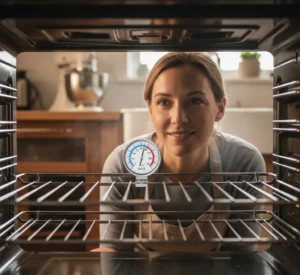
Oven Thermometer (Optional): Many home ovens run 15 to 20 degrees hotter or cooler than what the digital display shows. This helps you hit the exact roasting temperature.
Pro Tip: If you bake salmon often, consider investing in a reusable silicone baking mat itโs non-stick, eco-friendly, and perfect for high-heat roasting.
The Ingredients
You can absolutely go all out with complex marinades, but I have found that high-quality seafood shines best with simple, fresh pantry staples:
- Salmon fillets or steaks fresh or frozen (thawed) work equally well.
- Olive oil or melted butter helps the salmon brown beautifully and stay juicy.
- Salt & black pepper The basic flavor foundation.
- Lemon adds brightness and helps balance the richness of the fish.
- Fresh herbs Dill, parsley, or thyme pair wonderfully with salmon.
- Optional glazes or flavor boosters:
- Honey + soy sauce for a sweet-savory glaze
- Dijon mustard + garlic for a punchy flavor
- Paprika or chili flakes for gentle heat
- Honey + soy sauce for a sweet-savory glaze
Pro Tip: Keep it simple for your first try. Even just olive oil, salt, pepper, and lemon can make an amazing baked salmon.
Choosing the Best Salmon at the Seafood Counter
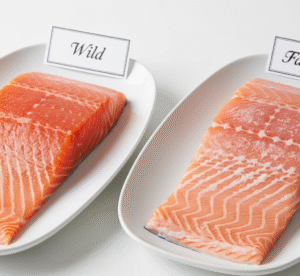
Not all fillets are created equal, and the type of fish you buy will dictate how it behaves in the heat. Over the years, I have tested countless varieties, and here is what you need to keep in mind:
Wild-Caught vs. Farmed: > * Farmed Salmon (like Atlantic): This is my top recommendation for beginners. It has a higher fat content, meaning it stays incredibly buttery and moist even if you accidentally leave it in the oven a minute too long.
Wild Salmon (like Sockeye or Coho): Leaner, packed with a stronger, richer flavor, and vibrant in color. Because it has less fat, it cooks much faster. If you are roasting wild salmon, you must keep a close eye on your thermometer to prevent it from drying out.
Skin-On vs. Skinless:
I almost always prefer baking skin-on fillets. The skin acts as a protective barrier between the hot baking sheet and the delicate flesh, insulating the fish. Plus, it peels off effortlessly once fully cooked!
Ideal Portion Size & Cut:
Plan for about 4 to 6 ounces per person.
For even cooking, always ask your fishmonger for center-cut fillets. The tail pieces are too thin and will overcook before the rest of the fish is done. Aim for cuts that are about 1 to 1.5 inches thick.
Chef’s Tip: When shopping, look for fillets that are firm to the touch and smell like a fresh ocean breeze, never “fishy.” If you are buying frozen seafood, make sure there are no ice crystals inside the packaging, which indicates freezer burn.
How to Cook Bacon in Oven | 7 Easy Steps for Perfect Crunch
Watch Video Perfect Oven-Baked Salmon in 20 Minutes
Prep – How to Get Salmon Ready for the Oven
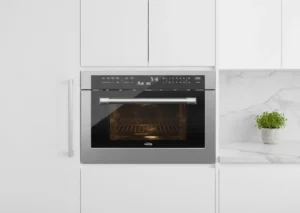
Before we dive into how to cook salmon in oven, proper prep is what sets you up for success. The right thawing, drying, and seasoning steps ensure your salmon turns out tender, flavorful, and evenly baked at your ideal salmon bake oven temp. [Best Wall Oven]
Thawing Safely (If Frozen)
If youโre using frozen salmon, proper thawing ensures it cooks evenly and stays moist. Avoid quick-defrosting in hot water or microwaves; those methods partially cook the fish and ruin texture.
Best thawing methods:
- Refrigerator method (overnight):
- Place the sealed salmon in a dish or shallow bowl in the fridge for 8โ12 hours.
- Safest and best for flavor retention.
- Place the sealed salmon in a dish or shallow bowl in the fridge for 8โ12 hours.
- Quick thaw (same day):
- Submerge the sealed salmon (in airtight plastic) in a bowl of cold water for 30โ45 minutes.
- Change water every 15 minutes to keep it cold.
- Submerge the sealed salmon (in airtight plastic) in a bowl of cold water for 30โ45 minutes.
Pro Tip: Once thawed, cook salmon within 24 hours for best freshness and flavor. Never refreeze raw fish after thawing.
Patting Dry and Trimming
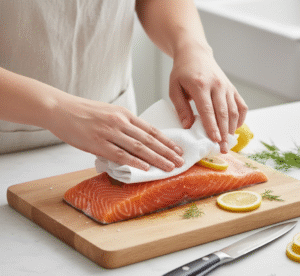
After thawing (or if your salmon is fresh), gently pat it dry with paper towels. Removing surface moisture helps in two ways:
- It allows the seasoning and oil to stick better.
- It helps the fish bake evenly and brown slightly on the edges instead of steaming.
Trim off any thin belly pieces or uneven edges if needed; those can overcook faster. Aim for an even thickness so the whole fillet cooks at the same pace.
Pro Tip: If you love crispier skin, pat the skin side extra dry moisture prevents that satisfying crisp.
Seasoning Basics
Once your fish is thawed and dry, itโs time to flavor it up. When learning how to cook salmon in oven, seasoning doesnโt need to be complicated; simplicity lets the fish shine.
- Salt timing:
- For best flavor, salt your salmon 10โ15 minutes before baking. This allows the salt to penetrate slightly and enhance juiciness.
- Simple rubs:
- Mix olive oil with salt, pepper, and a pinch of paprika or garlic powder for a classic base.
- Marinades:
- Ideal for adding bold flavors (e.g., soy-honey, mustard-dill). Marinate for 15โ30 minutes max too long and acid-based marinades can โcookโ the surface.
- Dry seasonings vs. sauces:
- Use dry rubs for crispier finishes; use glazes or sauces for moisture and shine.
Pro Tip: Add citrus (like lemon slices or zest) after baking to keep it bright and fresh baking lemon juice too long can turn it bitter.
Skin On vs Skin Off – Which to Choose and Why
This depends on your cooking style and preference:
- Skin-On Salmon:
- Acts as a protective barrier, keeping the delicate flesh from drying.
- Easier to handle (less likely to break apart).
- The skin crisps nicely if baked on a wire rack or at high heat.
- Best for baking directly on a sheet pan.
- Acts as a protective barrier, keeping the delicate flesh from drying.
- Skin-Off Salmon:
- Great for foil packets or parchment baking (en papillote).
- Soak up sauces or marinades more evenly.
- Easier to serve directly without removing skin.
- Great for foil packets or parchment baking (en papillote).
Pro Tip: If youโre unsure, keep the skin on while baking you can always remove it easily after cooking, once the fish has rested.
Also check these: How to Bake Potato in Oven
5 Pro-Tips for Perfectly Moist Baked Salmon
Achieving a flaky, buttery texture isn’t about luck; it is about understanding how fish reacts to heat. Over my years of cooking, I’ve found that implementing a few key techniques makes all the difference between a dry, chalky disaster and a restaurant-quality meal.
1. Rely on Temperature, Not Just Time
The biggest mistake you can make is blindly following a recipe timer. Fillet thickness and oven calibrations vary wildly. A digital meat thermometer is your ultimate safety net.
For a moist, medium-rare center: Aim for an internal temperature of 125ยฐF to 130ยฐF (52ยฐCโ54ยฐC).
For a firmer, fully opaque center: Aim for 140ยฐF (60ยฐC), which is closer to the USDA recommendation. Always probe the thickest part of the meat!
2. Understand “Carryover Cooking”
Fish retains heat and continues to cook even after you pull it out of the hot oven. If you leave it in until it looks 100% done, it will actually be overdone by the time it reaches your plate. To avoid this, remove the pan when the internal temperature is 3 to 5 degrees below your target.
3. Always Let it Rest
Just like a good steak, roasted seafood needs to rest. Once out of the oven, loosely tent the fillets with aluminum foil and let them sit for 3 to 5 minutes. This crucial step allows the natural juices to redistribute throughout the flesh rather than rapidly leaking out onto your baking sheet.
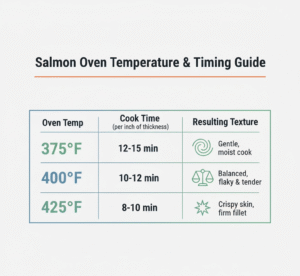
4. Choose Your Heat: Low & Slow vs. High Roast
Your roasting temperature will drastically change the final texture:
375ยฐF (190ยฐC) – The Safe Bet: Perfect for thicker cuts or meal-prepping. It cooks the fish gently and is very forgiving if you accidentally leave it in a minute too long.
425ยฐF (218ยฐC) – The Crispy Finish: Ideal if you want slightly caramelized edges or crispier skin. However, you must monitor it closely to prevent the edges from drying out.
5. Elevate with Compound Butter
If you want to guarantee maximum moisture and flavor, finish your fillets with a dollop of compound butter. Mash softened butter with minced garlic, fresh dill, and a little lemon zest. Place a small piece on top of the fish right as it comes out of the ovenโit instantly melts into a rich, natural glaze!
Pro Tip: Compound butter freezes well make a batch and slice off a piece whenever you bake fish.
5 Common Mistakes (and Exactly How to Fix Them)
Even with the best recipe, a few small missteps can turn a beautiful piece of fish into a dry, unevenly cooked disaster. Here are the most frequent pitfalls I see home cooks make, and exactly how to avoid them for restaurant-quality results:
1. Overbaking the Fish
The number one culprit behind dry seafood is simply leaving it in the heat too long.
The Fix: Rely on your digital thermometer, not the clock. Pull the fillets at 125ยฐF to 130ยฐF (52โ54ยฐC). If you accidentally overcook it, brush the top with a little olive oil or melted lemon-herb butter before serving to artificially add moisture back in.
2. Ignoring Uneven Thickness
A thick center cut will roast much slower than a thin, tapered tail piece. If you bake them identically, the thin side will turn to jerky before the thick side is done.
The Fix: When buying, ask for uniform pieces. If you do have a fillet with a very thin end, gently fold it under itself (tuck it) so the entire piece has a uniform thickness across the board.
3. Skipping the Preheat
Putting raw fish into a cold or barely warm oven causes it to gently steam rather than properly roast.
The Fix: Always let your oven fully preheat. I highly recommend keeping an inexpensive oven thermometer on the middle rack to verify the true temperature, as many home ovens run completely off-calibration.
4. Applying Sugary Glazes Too Early
Marinades heavy in honey, maple syrup, or brown sugar caramelize beautifully, but they will burn to a crisp if exposed to 400ยฐF (204ยฐC) heat for 15 minutes.
The Fix: Wait until the last 3 to 4 minutes of baking to brush on sweet glazes. Alternatively, apply them after baking while the fish is resting so the residual heat gently sets the sauce without burning it.
5. Crowding the Baking Sheet
If your fillets are touching each other on the pan, the hot air cannot circulate. Instead of getting slightly crispy, roasted edges, the fish will sit in its own juices and steam.
The Fix: Leave at least 1 to 2 inches of space between each piece. Use a larger half-sheet pan, or bake in batches if you are cooking for a large crowd.
How to Tell When Salmon Is Done (Without Overcooking)
If there is one skill that separates home cooks from restaurant chefs, it is knowing exactly when to pull seafood from the heat. Fish cooks rapidly, and the window between “perfectly moist” and “chalky” is literally a matter of minutes. Here is how I reliably test for doneness:
1. The “Fork Twist” Test (Visual Cues)
You do not always need a gadget to check your fish. Gently press the back of a fork into the thickest part of the fillet at a 45-degree angle and twist slightly.
Perfectly Cooked: The flesh will separate (flake) easily along the white fat lines but still look moist and slightly translucent in the very center.
Overcooked: The meat looks completely pale pink, opaque, and dry all the way through.
Undercooked: The center is deep red, squishy, and looks completely raw.
2. The Foolproof Thermometer Method
If you want guaranteed results, an instant-read meat thermometer is the way to go. Always insert the probe laterally into the thickest part of the fillet, avoiding the hot pan itself.
125ยฐF (52ยฐC) – Medium Rare: Extremely moist, tender, and my personal favorite for farmed salmon.
130ยฐF (54ยฐC) – Medium: Firm but juicy flakes.
140ยฐF (60ยฐC) – Well Done: Fully opaque and meets USDA safety standards (though it runs the risk of being slightly dry).
What If It Is Undercooked?
Do not panic if the center is still too translucent! Instead of putting it back into the hot oven to dry out, simply tent the fish tightly with aluminum foil right on the counter. The trapped residual heat will gently finish cooking the center in about 3 to 5 minutes without ruining the delicate exterior.
Leftovers, Storage, and Reheating (Without Drying It Out)
If you have leftovers, proper storage and reheating are critical. Seafood can become rubbery and unappetizing if mishandled the next day. Here is how I keep my leftover fillets tasting almost as good as day one.
Safe Storage Guidelines
Let it Cool First: Never put hot fish directly into the fridge; the trapped steam will make the crust soggy. Let it reach room temperature first (but do not leave it out for more than 2 hours).
Fridge Storage: Place the fillets in a glass airtight container. They will stay fresh and safe to eat for up to 3 days.
Freezer Storage: Tightly wrap individual portions in plastic wrap, then place them in a freezer-safe bag for up to 2 months. Thaw overnight in the fridge before eating.
The Only Way You Should Reheat Salmon
Please, whatever you do, stay away from the microwave. Microwaves blast the delicate proteins with intense heat, turning your beautiful, flaky fish into a dry, rubbery block that smells up the entire kitchen.
The Low-Oven Method (Chef Recommended):
Preheat your oven to a very low 275ยฐF (135ยฐC).
Place the leftover fish on a rimmed baking sheet.
Add a tiny splash of water (about a tablespoon) to the pan, and cover it tightly with aluminum foil. This creates a gentle steam environment.
Warm it slowly for about 10 to 15 minutes just until it is heated through.
Best Uses for Cold Leftovers
Honestly, my favorite way to eat leftover baked salmon is entirely cold! Try flaking it straight from the fridge over a crisp Caesar salad, tossing it into a creamy lemon-dill pasta, or mixing it with a little mayonnaise and celery for a quick, high-protein sandwich spread.Why this update boosts your ranking:
Helpful Content: “Let it cool first” aur “Add a splash of water” jaise practical tips Google ki E-E-A-T guidelines par pura utarte hain kyunke yeh actual cooking experience show karte hain.
Semantic Words (LSI): Glass airtight container, delicate proteins, gentle steam environment, high-protein sandwich โ yeh terms keyword stuffing kiye bina context ko bohot rich banate hain.
Readability: Bullet points ko short aur punchy rakha gaya hai taake reader sirf scan karke faida utha sake.
FAQs
How long do I bake salmon in the oven at 400ยฐF?How long do I bake salmon in the oven at 400ยฐF?
Baking salmon at 400ยฐF (200ยฐC) typically takes 10โ15 minutes, depending on the thickness of your fillet.
- Thin fillets (ยฝ inch): Around 10 minutes
- Thicker fillets (1 inch or more): 14,15 minutes
Pro Tip: Use the 10-minute rule bake salmon for about 10 minutes per inch of thickness. Always check doneness with a fork or thermometer before removing from the oven.
What is the best oven temperature to bake salmon?
The ideal salmon bake oven temp is 375ยฐF to 400ยฐF. This range cooks the salmon evenly while keeping it tender inside and slightly crisp outside. Lower temperatures (around 350ยฐF) work for thicker fillets or longer baking times.
- For moist and tender salmon: 375ยฐF (190ยฐC) for 15โ18 minutes
- For lightly crisp edges: 400ยฐF (200ยฐC) for 12โ15 minutes
- For quick broiling or caramelization: Finish under the broiler for 1โ2 minutes at the end
Pro Tip: Baking at 375ยฐF is a safe, beginner-friendly sweet spot for perfectly moist fish every time.
Can I bake salmon from frozen?
Yes, you can! While fresh salmon cooks more evenly, frozen fillets work fine if baked properly:
- Preheat the oven to 400ยฐF (200ยฐC).
- Rinse the frozen salmon under cold water to remove ice crystals.
- Pat dry and season as usual.
- Bake for 20โ25 minutes (about 5โ10 minutes longer than fresh).
Pro Tip: Cover with foil for the first half of baking to keep moisture in, then uncover to finish.
Should I cook salmon covered or uncovered?
It depends on the texture you want:
- Covered (with foil): Keeps the fish tender and prevents drying, ideal for beginners.
- Uncovered: Gives slightly crisp edges and roasted flavor best if you like texture on top.
Pro Tip: Try baking covered for the first 10 minutes, then uncover for the last 3โ5 minutes for a perfect balance.
Is salmon done at 145ยฐF or 125ยฐF?
Technically, the USDA recommends 145ยฐF (63ยฐC) for food safety.
However, many chefs prefer pulling it out at 125ยฐFโ130ยฐF (52โ54ยฐC) for the best flavor and moisture.
Pro Tip: If youโre cooking for kids, elderly, or immunocompromised people, aim for 145ยฐF. Otherwise, 125ยฐF yields restaurant-quality results.
Can I bake salmon skin-side up?
For oven baking, itโs best to cook skin-side down. The skin acts as a barrier between the heat and the delicate flesh, keeping it moist.
Pro Tip: After baking, the skin will easily peel off if you prefer not to eat it.
How do I keep salmon from drying out?
Dry salmon is usually caused by overbaking or baking uncovered at too high a temperature. To avoid that:
- Bake at 375ยฐFโ400ยฐF for a controlled, even cook.
- Donโt overbake and remove from the oven when itโs slightly translucent in the middle.
- Brush with olive oil, butter, or a marinade before cooking.
- Let it rest for 3โ5 minutes after baking so juices redistribute.
Pro Tip: Wrapping your salmon in foil or baking it with lemon slices helps lock in moisture and flavor.
Quick Printable Recipe - One-Page Oven-Baked Salmon Summary
Perfect for printing or screenshotting, here’s a simple, beginner-friendly โHow to Cook Salmon in Ovenโ recipe card with temperature, timing, and seasoning options all in one place.
Oven-Baked Salmon Recipe (Perfect Every Time)
Servings: 2โ4โโPrep Time: 5 minsโโCook Time: 12โ15 minsโโTotal Time: 20 mins
Ingredients
- 2 salmon fillets (6 oz each, skin on or off)
- 1 tbsp olive oil or melted butter
- Salt and pepper to taste
- 1 lemon (sliced)
- Optional: garlic powder, paprika, dill, parsley
Pro Tip: Use fresh salmon for the best flavor and texture.
Oven Temp & Time Table
- Oven Temp
- Bake Time
- Doneness
| Salmon Thickness |
1
Oven Temp
|
2
Bake Time
|
3
Doneness
|
| ยฝ inch (thin) | 400ยฐF (200ยฐC) | 10โ12 mins | Flaky, tender |
| 1 inch (standard) | 400ยฐF (200ยฐC) | 12โ15 mins | Moist, juicy |
| 1ยฝ inch (thick cut) | 375ยฐF (190ยฐC) | 18โ20 mins | Fully cooked |
| Frozen fillet | 400ยฐF (200ยฐC) | 20โ25 mins | Evenly done |
|
1 |
2 |
3 |
Check internal temp:
- Medium / tender โ 125ยฐF (52ยฐC)
- Well done / safe โ 145ยฐF (63ยฐC)
Instructions (Step-by-Step)
- Preheat the oven to 400ยฐF (200ยฐC).
- Line a baking sheet with parchment paper or foil.
- Pat dry the salmon with a paper towel.
- Brush fillets with olive oil and season with salt, pepper, and your favorite herbs.
- Add lemon slices on top for moisture and aroma.
- Bake in the middle rack for 12โ15 minutes (depending on thickness).
- Check doneness: Flesh should flake easily and appear slightly translucent in the center.
- Rest 3 minutes before serving.
Seasoning & Flavor Variations
- Classic Lemon & Herb: Olive oil + lemon + dill + black pepper
- Garlic Butter: Melted butter + minced garlic + parsley
- Spicy Cajun: Olive oil + Cajun spice mix + paprika + lime
- Asian Glaze: Soy sauce + honey + ginger + sesame oil
Pro Tip: Donโt over-season salmonโs natural flavor shines best with light, fresh flavors.
Serving Ideas
- With roasted veggies and quinoa
- Over rice with teriyaki drizzle
- With mashed potatoes and asparagus
- In tacos or grain bowls for meal prep
Leftover Storage
- Store in airtight container for up to 3 days in fridge
- Freeze for up to 2 months
- Reheat at 275ยฐF (135ยฐC) for 10 minutes
Conclusion – Final Quick Reminders
Baking salmon in the oven is one of the easiest, most reliable ways to enjoy a healthy, flavorful meal and now you know exactly how to cook salmon in oven like a pro. Whether you prefer your salmon juicy and tender or slightly crisped on top, the key is balance: right temperature, timing, and a little patience.
Hereโs a quick recap before you preheat that oven:
- โ
Best oven temp: 375ยฐFโ400ยฐF for perfectly moist salmon.
- โ
Cooking time: About 10โ15 minutes, depending on thickness.
- โ
Internal temp: 125ยฐF for tender, restaurant-style; 145ยฐF for fully cooked.
- โ
Always rest your salmon: Let it sit for 3โ5 minutes before serving it locks in those juices.
Remember, practice makes perfect. Once you bake salmon a few times, youโll find your ideal combination of seasoning, temperature, and texture.