Wood fired vs gas pizza oven comes down to flavor versus convenience: wood gives smoky, authentic pizza and the fun of a live fire, while gas gives steady heat at the turn of a dial. Electric ovens add a third option for indoor cooking. Here's how all three compare, and which one fits you.
Gas
Propane burner
- Dial-controlled heat
- Preheats in about 15–25 min
- Clean, little mess
- Mild flavor, no smoke
- Outdoors only
Wood
Hardwood or pellets
- Smoky, wood-fired flavor
- Fire needs feeding and practice
- Ash and embers to clean
- Very high heat when managed well
- Outdoors only
Electric
Heating elements
- Easiest, most precise
- Works indoors on a normal outlet
- No fuel to buy or store
- Clean flavor, no flame
- Usually smaller pizzas
Quick Answer: Gas vs Wood Fired Pizza Oven (and Electric)
- Choose gas if you want great pizza with the least effort and consistent results outdoors. It's the best choice for most people.
- Choose wood if flavor and the experience matter most and you enjoy tending a fire.
- Choose electric if you want to make pizza indoors, all year, with no fuel.
- Can't decide? A multi-fuel oven runs on wood and gas, with a separate burner.
- How each fuel heats a pizza
- 3-way scorecard
- A pizza night, side by side
- Wood fuel options
- Flavor
- Heat and control
- Ease of use and learning curve
- Cost to buy and run
- Cleanup and maintenance
- Where you can use each
- Weather and wind
- Safety differences
- Best fuel by pizza style
- Multi-fuel ovens
- Which should you choose?
- Our top picks by fuel
- FAQs
How Each Fuel Heats a Pizza
3-Way Scorecard
| Factor | Gas | Wood | Electric | Winner |
|---|---|---|---|---|
| Flavor | Clean | Smoky, authentic | Clean | Wood |
| Ease of use | Easy | Hardest | Easiest | Electric |
| Heat consistency | Very steady | Varies with fire | Very steady | Gas / Electric |
| Top heat | About 900–950°F | About 900°F+ | About 750–850°F | Gas / Wood |
| Preheat time | About 15–25 min | About 20–30+ min | About 15–25 min | Gas / Electric |
| Cleanup | Minimal | Ash, soot | Minimal | Gas / Electric |
| Indoor use | No | No | Yes | Electric |
| Portability | Good (tank) | Good (fuel bag) | Needs an outlet | Gas / Wood |
| Fun factor | Good | Best | Good | Wood |
A Pizza Night, Side by Side
What an evening of four pizzas typically looks like with each fuel. Times are approximate and vary with the oven, weather and your experience.
Gas
- 0 min Connect tank, ignite on high
- 15–25 min Stone hot; launch pizza 1
- +2 min Pizza out; let the stone recover
- ~35 min Four pizzas done; turn off at the tank
Wood
- 0 min Light kindling and small logs or pellets
- 20–30+ min Fire established, stone hot
- Every few min Add fuel to keep the flame rolling
- ~45 min Four pizzas done; let the fire burn out, clear ash later
Electric
- 0 min Choose a preset and start preheat
- 15–25 min Ready; launch pizza 1
- +2–5 min Pizza out; oven reheats automatically
- ~40 min Four pizzas done; switch off
Wood Fuel Options: Logs, Pellets and Charcoal
| Fuel | Pros | Cons | Best for |
|---|---|---|---|
| Kiln-dried hardwood | Big flame, classic flavor, long burn | Needs splitting to size, dry storage | Larger wood and multi-fuel ovens |
| Hardwood pellets | Light fast, easy to buy and store | Burn quickly; frequent refills | Small pellet ovens |
| Charcoal | Steady heat, less flame | Lower top heat for Neapolitan | Slower bakes, mixing with wood |
Whatever pizza oven fuel you choose, buy it for cooking: use only kiln-dried hardwood or 100% hardwood pellets. Softwoods, treated lumber and grill pellets with additives can produce soot and off flavors.
Flavor: Does Wood Really Taste Better?
Wood adds a subtle smokiness and aroma, especially to the crust's charred spots, and the live flame gives that classic leopard-spotted look. The effect is noticeable but gentler than smoked barbecue, because a pizza spends only one to two minutes in the oven.
Gas and electric produce clean flavor; the taste comes from your dough, sauce and toppings, plus the char from high heat. In blind comparisons many people struggle to tell a great gas-oven Neapolitan from a wood-fired one, but the wood-fired experience itself is part of the appeal.
Heat and Control
- Gas: turn a dial to go from 950°F for Neapolitan to around 600°F for New York style within minutes. Most consistent outdoors.
- Wood: very high heat is possible, but temperature depends on how you build and feed the fire. Adding a log raises the flame; letting it burn down lowers it. Wind and wood quality matter.
- Electric: in the gas vs electric pizza oven matchup, electric wins on precision: set an exact temperature and preset; top and bottom elements can often be adjusted separately. Most consistent overall, though most top out below gas and wood.
Whatever the fuel, measure the stone with an infrared thermometer. The air temperature shown on a gauge can be much higher than the floor your pizza bakes on.
Ease of Use and Learning Curve
With gas, the main skills are launching and turning the pizza. With wood, you also need to start the fire, keep it at the right size and keep adding fuel every few minutes. Pellets light quickly but burn fast, so they need frequent topping up.
Cost to Buy and Run
| Gas | Wood | Electric | |
|---|---|---|---|
| Oven price | Budget to premium | Budget to premium; multi-fuel costs more | Budget to premium |
| Fuel | Propane tank refills | Kiln-dried hardwood or pellets | Electricity |
| Running cost per session | Low | Low to moderate | Low |
| Extras | Regulator (usually included) | Fire starters, ash tool, fuel storage | None |
Running costs are small for all three compared with the oven itself. Gas wins on convenience of refills; wood costs vary with where you buy hardwood. A standard 20-pound propane tank lasts many pizza nights for most portable ovens; check your oven's BTU rating to estimate run time.
Cleanup and Maintenance
- Gas: burn off residue on high, brush the cooled stone and cover the oven. Check hoses and connections for leaks.
- Wood: remove ash after each cook once fully cool, brush soot from the opening and chimney, and store fuel dry.
- Electric: wipe the interior when cool and brush the stone. No ash, no soot.
Never use soap or water on a pizza stone. If your kitchen oven smokes after pizza night, see why an oven smokes.
Where You Can Use Each
Gas and wood pizza ovens are for outdoor use only, away from walls, overhangs and anything flammable. Some campgrounds and dry regions restrict wood fires during fire bans, while propane is often still allowed (check local rules). Electric pizza ovens are the only type made for indoor use; see the best indoor pizza ovens.
Weather and Wind
All outdoor pizza ovens struggle in wind and cold, but in different ways. Gas ovens can lose flame stability in strong gusts, and their stones take longer to recover. Wood fires burn hotter and faster in wind, which uses more fuel and makes heat harder to control. Shelter the oven from the wind, add 5–10 minutes to the preheat in cold weather, and always check the stone temperature. Electric ovens used indoors aren't affected at all.
Safety Differences
- Gas: check connections for leaks with soapy water, keep the tank upright and away from the heat, and turn off at the tank when done.
- Wood: watch for sparks and embers, keep a bucket of sand or an extinguisher nearby, and let ash cool completely before disposal.
- Electric: use a dedicated outlet, keep clearance on all sides, and never run it near water.
- All types: the outside and opening get extremely hot. Use heat-resistant oven mitts and keep kids and pets back.
Best Fuel by Pizza Style
| Style | Best fuel | Why |
|---|---|---|
| Neapolitan | Wood or gas | Needs 850–950°F and a rolling flame |
| New York | Gas or electric | Needs steady, lower heat for 3–5 minutes |
| Thin and crispy | Electric or gas | Precise heat avoids burning thin bases |
| Detroit / pan | Gas or electric | Longer, gentler bake in a pan |
| Flatbreads and naan | Wood or gas | Fast, high heat and char |
Multi-Fuel Ovens: The Best of Both?
Multi-fuel ovens burn wood or charcoal out of the box and accept a separate gas burner, so you can use gas on weeknights and wood when you have time. The trade-off is a higher total price once you add the burner, and a little setup when switching. Our best wood-fired pizza ovens guide covers the top multi-fuel models.
Which Should You Choose?
Choose gas if you…
- Want consistent pizza with little effort
- Cook on weeknights
- Host pizza parties and need back-to-back pies
- Are new to pizza ovens
Choose wood if you…
- Love smoky, authentic flavor
- Enjoy tending a fire
- Want the full wood-fired experience
- Have time to learn
Choose electric if you…
- Want to cook indoors or on a balcony
- Make pizza year-round
- Prefer precise, push-button control
- Don't want to store fuel
Our Top Picks by Fuel

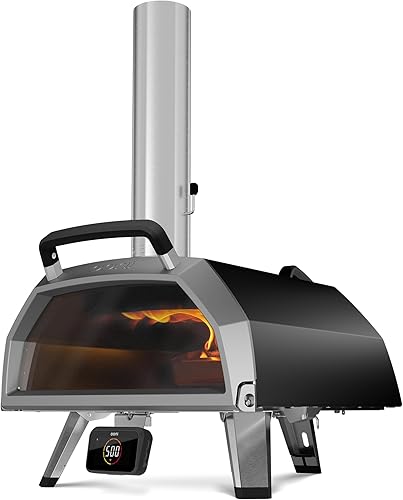


For full reviews, see the best gas pizza ovens, best wood-fired pizza ovens, best indoor pizza ovens and the all-fuel best outdoor pizza ovens. Whatever you choose, you'll need a good pizza peel.
Gas vs Wood-Fired Pizza Oven FAQs
Is a gas or wood-fired pizza oven better?
Gas is better for convenience and consistency; wood is better for flavor and the experience. For most home cooks, gas is the easier choice, while multi-fuel ovens offer both.
Does wood-fired pizza taste different from gas?
Slightly. Wood adds a subtle smoky aroma and flavor to the crust. Because pizzas bake so quickly, the difference is gentler than many people expect.
Is a gas or electric pizza oven better?
Gas gets hotter and is portable outdoors; electric works indoors and is the easiest to control. Choose electric if you want indoor, year-round pizza.
Which pizza oven gets the hottest?
Premium gas and wood ovens reach about 900–950°F. Most electric pizza ovens top out around 750–850°F.
Can you use wood in a gas pizza oven?
Only if the manufacturer offers a wood burner or the oven is multi-fuel, like the Gozney Roccbox with its optional wood burner. Never put wood in a gas-only oven.
Can you convert a wood pizza oven to gas?
Many multi-fuel ovens accept a separate gas burner from the same brand. Use only the manufacturer's approved burner.
Are wood pellets as good as logs?
Pellets light faster and give good heat in small ovens but burn quickly and need frequent refills. Logs give a bigger, longer-lasting flame in larger ovens.
Which is easier for beginners?
Electric is easiest, then gas. Wood takes the most practice because you have to manage the fire while cooking.
Can I use a gas pizza oven during a fire ban?
Rules vary. Propane appliances with shut-off valves are often allowed when wood fires aren't, but always check local restrictions.
Do electric pizza ovens make real Neapolitan pizza?
High-heat models like the Breville Pizzaiolo get close, with blistered crusts in about two minutes, though the top heat is usually a little lower than gas or wood.
The Bottom Line
For most people, a gas pizza oven is the best choice: it's easy, consistent and hot enough for true Neapolitan pizza. Choose wood if flavor and the ritual of cooking over fire matter most, or a multi-fuel oven to keep both options. If you want pizza indoors all year, go electric.
TopOvenPicks is reader-supported. When you buy through links on our site, we may earn an affiliate commission at no extra cost to you. Prices and availability change often, so always confirm details on Amazon.