The difference between a toaster oven vs microwave is how they heat: a microwave heats the water inside food in minutes, while a toaster oven uses hot elements and air to brown, crisp and bake. Microwaves win for speed; toaster ovens win for texture. Here's which one you need, or whether you need both.
Microwave
Microwave energy heats water in food
- Fastest way to reheat and defrost
- Heats drinks, soups and leftovers in minutes
- Can't brown or crisp food
- Leftovers can turn soggy or rubbery
- Uses little energy for short tasks
Toaster oven
Heating elements, often with convection or air fry
- Toasts, bakes, roasts, broils and air fries
- Browns and crisps like a full oven
- Slower than a microwave
- Makes leftovers taste fresh again
- Uses less energy than a full-size oven
Quick Answer: Toaster Oven or Microwave?
- Choose a microwave if you mainly reheat drinks, soups and leftovers, defrost food or cook microwave meals and want the fastest results.
- Choose a toaster oven if you want crispy toast, reheated pizza and fries that aren't soggy, small baked goods and roasted vegetables without heating the big oven.
- Short on space? A microwave with convection or air fry, or a countertop air fryer oven, covers most of both jobs.
How Each One Heats Food
A microwave sends microwave energy into the food, which makes water molecules vibrate and heat up. Because it heats the food from within, it's very fast, but the surface never gets hot and dry enough to brown. That's why microwaved bread goes chewy and fries go limp.
A toaster oven works like a small conventional oven. Heating elements at the top and bottom heat the air and radiate onto the food, and many models add a convection fan or air fry mode to circulate hot air. The dry heat browns and crisps the surface, giving you toast, crunchy edges and melted, bubbly cheese.
Toaster Oven vs Microwave: 12-Point Scorecard
| Factor | Microwave | Toaster oven | Winner |
|---|---|---|---|
| Reheating speed | 1–3 minutes | 5–15 minutes | Microwave |
| Defrosting | Fast and easy | Not designed for it | Microwave |
| Heating drinks and soups | Ideal | Impractical | Microwave |
| Toasting | Can't toast | Excellent | Toaster oven |
| Browning and crisping | None | Excellent | Toaster oven |
| Reheating pizza and fries | Soggy | Crispy, like fresh | Toaster oven |
| Baking | Not suitable | Cookies, muffins, small cakes | Toaster oven |
| Roasting vegetables and chicken | Steams instead | Roasts properly | Toaster oven |
| Energy for short tasks | Lowest | Low | Microwave |
| Ease of use | Press and go | Preheat and check | Microwave |
| Cookware flexibility | No metal | Metal, glass, ceramic | Toaster oven |
| Kitchen heat | None | Some, less than a full oven | Microwave |
It's a tie because they're good at different things: the microwave is about speed, the toaster oven about quality. That's why many kitchens have both.
Which Is Better for Each Food?
| Food or task | Better choice | Tip |
|---|---|---|
| Coffee, tea, soup | Microwave | Stir halfway for even heat |
| Frozen meals | Microwave | Unless the box gives oven directions for crispness |
| Defrosting meat | Microwave | Use the defrost setting and cook right away |
| Popcorn | Microwave | Stop when pops slow to 2 seconds apart |
| Steamed vegetables | Microwave | Covered bowl with a splash of water |
| Toast and bagels | Toaster oven | Microwaves can't toast |
| Leftover pizza | Toaster oven | About 375°F for 5–8 minutes. See how to reheat pizza |
| Fries, nuggets, wings | Toaster oven | Use air fry or convection |
| Cookies, muffins, small cakes | Toaster oven | Use smaller pans |
| Melted cheese, gratins | Toaster oven | Broil for a golden top |
| Roasted vegetables | Toaster oven | Spread in one layer |
| Baked potato | Both | Microwave first, then crisp the skin in the toaster oven |
Energy Use
For quick jobs like heating a mug of coffee or a bowl of soup, a microwave uses the least energy because it runs for only a minute or two and heats only the food. A toaster oven uses more power while preheating, but far less than a full-size oven, because it heats a much smaller space. For small meals that need browning, a toaster oven is much more efficient than turning on the big oven, and it keeps your kitchen cooler in summer.
Both typically draw about 1,000–1,800 watts, so avoid running them at the same time on a shared kitchen circuit if your breaker trips easily. If it does, see why an oven keeps tripping the breaker.
Safety and Cookware
- Microwave: no metal, foil or metal-trimmed dishes. Use microwave-safe glass, ceramic and plastics, and vent covered containers.
- Toaster oven: metal pans, glass and ceramic bakeware are fine, as long as they fit with clearance from the elements. Don't let parchment or foil touch the heating elements.
- Heat: toaster oven exteriors get hot; leave space around them and keep them away from walls and curtains.
- Fires: keep crumb trays clean in toaster ovens, as built-up crumbs can smoke or burn.
- Never run a microwave empty; it can damage the magnetron.
Size and Counter Space
Countertop microwaves range from about 0.6 to 2.2 cubic feet, and toaster ovens from compact four-slice models to extra-large ovens that fit a 13-inch pizza or a whole chicken. If counter space is tight, look at compact microwaves around 0.7–0.9 cubic feet and toaster ovens with a small footprint, or a single combination appliance. Our guides to the best small microwaves and the best toaster ovens for small kitchens list space-saving picks.
Combination Options: Get Both in One
| Option | What it does | Best for |
|---|---|---|
| Microwave with convection | Microwave plus a heating element and fan for baking and browning | Small kitchens that want one appliance |
| Microwave with air fry | Microwave plus an air fry mode for crisping | Reheating plus crispy snacks |
| Air fryer toaster oven | Toast, bake, roast and air fry (no microwave) | Cooks who rarely microwave |
| Microwave + toaster oven | Two separate appliances | The best results at each job |
Combination microwaves are convenient, but a dedicated toaster oven usually browns and toasts better, and a dedicated microwave reheats faster. See our picks for the best microwave oven combos and best air fryer ovens. Planning a built-in? Compare a speed oven vs microwave.
Cooking Tips for Each
Getting the most from a microwave
- Arrange food in a ring with the center of the plate empty, since edges heat faster than the middle.
- Cover loosely with a microwave-safe lid or paper towel to trap steam and stop splatters.
- Use lower power for longer when reheating dense leftovers; 50–70% power heats more evenly than full power.
- Stir and rest: stir soups halfway and let food stand for a minute to even out hot spots.
- Add a cup of water next to rice or pasta when reheating to keep it from drying out.
Getting the most from a toaster oven
- Preheat for 3–5 minutes for baking and crisping; toast doesn't need it.
- Use the middle rack for even cooking, and the top rack for broiling.
- Choose smaller, light-colored pans that leave space for air to circulate.
- Lower the temperature for convection by about 25°F, as you would in a full-size oven. See our guide on how to use a convection oven.
- Empty the crumb tray regularly to prevent smoke.
Common Mistakes With Each Appliance
| Mistake | Appliance | Fix |
|---|---|---|
| Reheating pizza or fries in the microwave | Microwave | Use the toaster oven or air fry mode for crispness |
| Using metal or foil | Microwave | Only microwave-safe dishes; no metal trim |
| Running it empty | Microwave | Always have food or water inside |
| Overcrowding the tray | Toaster oven | Cook in batches for even browning |
| Foil touching the elements | Toaster oven | Keep foil and parchment clear of the heating elements |
| Ignoring the crumb tray | Toaster oven | Empty it often to prevent smoke and fires |
Lifespan and Maintenance
Countertop microwaves and toaster ovens typically last several years with normal use, often around 5–10 years depending on the model and how much you use them. Keep microwaves clean inside and never run them empty; keep toaster oven crumb trays and interiors clean and avoid letting grease build up near the elements. Replace either appliance if you see sparking, a burning smell, a damaged door seal or cord, or if it stops heating properly.
Best Choice for Different Situations
| Situation | Best choice | Why |
|---|---|---|
| College dorm | Microwave (check dorm rules) | Fast, simple and often the only appliance allowed |
| Office break room | Microwave | Quick reheating for many people |
| Small apartment | Convection microwave or air fryer oven | One appliance covers most jobs |
| Couple who cooks a lot | Both | Speed and quality |
| Family | Both, with a large toaster oven | Reheat fast and cook small meals without the big oven |
| Hot climate | Toaster oven over the full oven | Keeps the kitchen cooler for baking and roasting |
College student? Our picks for the best microwaves for dorm rooms are sized for shared spaces.
Which Should You Buy?
Choose a microwave if you
- Mostly reheat drinks, soups and leftovers
- Defrost food often
- Cook microwave meals and popcorn
- Want the fastest, simplest appliance
Choose a toaster oven if you
- Want crispy toast and leftovers
- Bake small batches or roast vegetables
- Want to avoid heating the big oven
- Love air-fried textures
For most households, owning both is ideal: the microwave handles speed, and the toaster oven handles everything that needs to brown or crisp. If you can only fit one, a convection microwave combo is the best compromise.
Our Picks
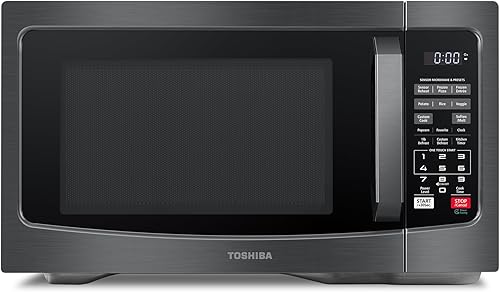


More options: best toaster ovens, toaster ovens under $200 and the best small microwaves. Also comparing countertop ovens? Read convection oven vs toaster oven.
Toaster Oven vs Microwave FAQs
Can a toaster oven replace a microwave?
For many tasks, yes: it reheats leftovers with better texture, toasts, bakes and roasts. But it's slower, can't defrost well and isn't practical for drinks or soups. Many people who rarely microwave are happy with only a toaster oven.
Can a microwave replace a toaster oven?
Not fully. A standard microwave can't toast, brown or crisp. A microwave with convection or air fry can do some toaster oven jobs, though usually not as well.
Which uses more electricity, a toaster oven or a microwave?
For short reheating tasks, the microwave uses less energy. For small meals that need browning, a toaster oven uses far less than a full-size oven.
Is it healthier to use a toaster oven or a microwave?
Both are safe ways to cook. Microwaving can retain more nutrients in vegetables because cooking times are short and little water is used. Toaster ovens are better for crispy food without deep frying.
Why does food get soggy in the microwave?
Microwaves heat the water inside food, creating steam that softens crusts and breading. A toaster oven's dry heat evaporates surface moisture, so food stays crisp.
Can you put metal in a toaster oven?
Yes. Metal pans and foil are fine in a toaster oven as long as they don't touch the heating elements. Never put metal in a standard microwave.
How long does it take to reheat food in a toaster oven?
Most leftovers reheat in about 5–15 minutes at 350–400°F, depending on size. Pizza slices take about 5–8 minutes.
Is a convection microwave worth it?
If you only have room for one appliance, yes. It reheats like a microwave and bakes or browns like a small oven, though a dedicated toaster oven usually toasts better.
Do I need both a toaster oven and a microwave?
Not necessarily, but most households benefit from both: the microwave for speed, the toaster oven for quality. If space is tight, choose based on what you cook most often.
Can you toast bread in a microwave?
No. A microwave makes bread warm and chewy, not toasted. Use a toaster or toaster oven, or a microwave with a convection or grill function.
Final Verdict
Choose a microwave for speed and convenience, and a toaster oven for anything you want toasted, crispy or browned. They complement each other, which is why most kitchens benefit from both.
If you only have room for one, a convection or air fry microwave combo is the best compromise, while a good air fryer toaster oven is the better pick if you rarely use a microwave.
TopOvenPicks is reader-supported. When you buy through links on our site, we may earn an affiliate commission at no extra cost to you. Prices and availability change often, so always confirm details on Amazon.