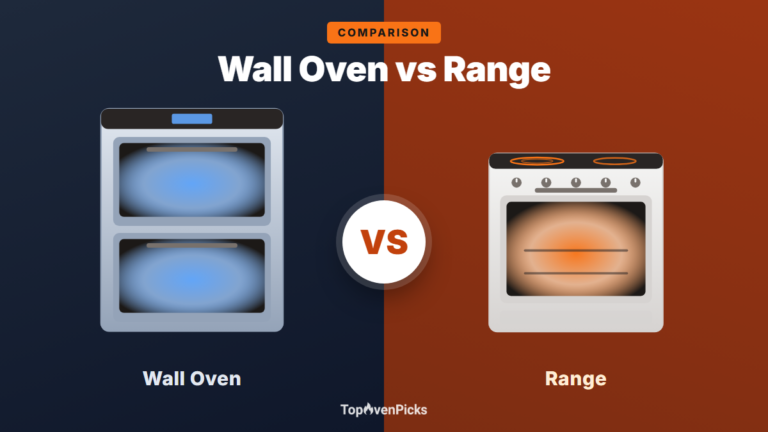
Induction vs gas range is the biggest decision in modern kitchens. Induction heats the pan directly with magnetism: it's faster, more efficient, easier to clean and doesn't burn fuel indoors. Gas gives you a visible flame, works with any pan and suits wok cooking and charring. Here's the full comparison on cost, speed and safety.
Gas range
Open-flame burners, gas or electric oven
- Visible flame you can adjust by eye
- Works with any cookware, including round woks
- Great for charring and flame-searing
- Burns gas indoors; needs good ventilation
- Grates are harder to clean
Induction range
Magnetic cooktop with an electric oven
- Fastest boiling and instant response
- Needs magnetic (induction-ready) cookware
- No combustion indoors; cooler kitchen
- Flat glass top wipes clean in seconds
- Needs a 240V circuit if switching from gas
Quick Answer: Induction or Gas?
- Choose induction for the fastest, most precise and most efficient cooking, a safer cooktop, easier cleaning and no combustion fumes in your kitchen.
- Choose gas if you love a visible flame, cook with a round-bottomed wok, char peppers and tortillas directly on the burner, or don't have the electrical capacity for induction.
- Switching costs: moving from gas to induction usually means adding a 240V circuit and possibly upgrading your electrical panel, so budget for an electrician.
- How each works
- 14-point scorecard
- Speed and control
- Which is better for each task
- Indoor air quality and safety
- Energy efficiency and running cost
- Cookware
- Cleaning and maintenance
- Switching from gas to induction
- Ventilation needs
- Features to look for
- In-between options
- Adjusting to induction
- Myths
- Power outages
- Which should you buy
- Best choice by household
- Ranges and gear worth a look
- FAQs
How Gas and Induction Cooktops Work
A gas cooktop burns natural gas or propane at each burner. The flame heats the bottom of the pan, but much of its heat also flows around the sides of the pan into the kitchen. You control heat by adjusting the flame, which you can see.
An induction cooktop has copper coils under smooth glass. When you switch on a zone, an alternating current creates a magnetic field that makes the bottom of a magnetic pan heat itself. The glass only gets warm from contact with the pan, and almost all the energy goes into the pan instead of the room.
Under the cooktop, gas ranges usually have a gas oven (some dual-fuel ranges pair gas burners with an electric oven), while induction ranges always have an electric oven. Comparing ovens too? See our guide to convection vs conventional ovens.
Induction vs Gas Range: 14-Point Scorecard
| Factor | Gas | Induction | Winner |
|---|---|---|---|
| Boiling speed | Moderate | Very fast | Induction |
| Heat response | Instant | Instant | Tie |
| Low, steady simmer | Can be hard to hold very low | Very steady | Induction |
| Energy efficiency | Much heat escapes | Most energy goes into the pan | Induction |
| Indoor air quality | Combustion byproducts | No combustion | Induction |
| Burn and fire safety | Open flame, hot grates | Cooler glass, pan detection | Induction |
| Cleaning | Grates and burner caps | Flat glass wipes clean | Induction |
| Kitchen heat | Warms the kitchen | Keeps it cooler | Induction |
| Cookware compatibility | Any pan | Magnetic pans only | Gas |
| Wok cooking and charring | Excellent | Limited (flat wok only) | Gas |
| Works in a power outage | Burners often can be lit manually | No | Gas |
| Visual feedback | Visible flame | Lights and numbers | Gas |
| Installation if switching | No change if you have gas | May need 240V circuit and panel work | Gas |
| Purchase price | Similar at mid-range | Similar at mid-range | Tie |
Speed and Cooking Control
Induction boils water noticeably faster than gas because the pan heats directly and little heat is lost around it. Many induction ranges also include a Boost setting for an extra burst of power. Gas can't match that speed at the same burner size.
On control, the two are closer than people expect. Both respond instantly when you change the setting. Gas has the advantage of a visible flame, which many cooks find intuitive. Induction is steadier at very low settings, so it's excellent for melting chocolate, holding sauces and simmering rice without scorching. Gas burners can struggle to hold the lowest heat without the flame going out, though some ranges have dedicated simmer burners.
Which Is Better for Each Cooking Task?
| Task | Better choice | Why |
|---|---|---|
| Boiling pasta water | Induction | Much faster |
| Searing steak | Induction | Fast, intense heat in cast iron |
| Simmering, melting, holding | Induction | Very steady low power |
| Round-bottom wok stir-fry | Gas | Flame wraps around the wok |
| Charring peppers, tortillas | Gas | Direct flame contact |
| Flambé | Gas | Flame can ignite the alcohol (use a lighter on induction) |
| Canning | Either | Follow your cooktop maker's guidance on large canners |
| Cooking with kids nearby | Induction | Cooler surface, no flame |
Indoor Air Quality and Safety
Gas stoves burn fuel inside your home, which produces combustion byproducts such as nitrogen dioxide and carbon monoxide. Health and environmental agencies recommend good ventilation whenever you cook with gas: run a range hood that vents outdoors, especially on high heat or when using the oven. Induction burns no fuel, so it doesn't produce combustion pollutants, though any cooking creates smoke and particles that a hood should clear.
- Burns: gas grates and burner caps stay hot after cooking, and the flame can catch sleeves or towels. Induction glass gets warm only from the pan and cools quickly.
- Gas leaks: a gas range adds a gas line and fittings that need to stay sealed. If you ever smell gas, leave and call your gas company. See why your oven smells like gas.
- Auto shut-off: induction zones switch off when no pan is detected. Many gas ranges have flame-failure protection, but not all.
- Medical devices: if you have a pacemaker or implanted device, ask your doctor about induction and follow the maker's safe-distance guidance.
Install a carbon monoxide detector near the kitchen if you have any gas appliances, and keep your range hood clean so it works effectively.
Energy Efficiency and Running Cost
Induction is far more efficient at getting energy into the food: it heats the pan directly, while a gas flame loses much of its heat around the pan into the room. That's why induction keeps your kitchen cooler in summer too.
Running cost depends on your local prices. Natural gas is cheaper than electricity per unit of energy in many areas, so even though induction wastes less, the monthly cost difference for cooking is often small either way. Cooking is a small share of most households' energy bills, so choose based on how you like to cook rather than expected savings. Some utilities and state programs offer rebates for switching to induction; check before you buy.
Cookware: Gas vs Induction
Gas works with every pan: aluminum, copper, glass, ceramic and round-bottomed woks. Induction needs magnetic cookware, such as cast iron, enameled cast iron, carbon steel and most stainless steel. Do the magnet test: if a fridge magnet sticks firmly to the bottom, the pan works. Many households find most of their pans already work; replace only what doesn't.
Wok fans have options on induction: flat-bottomed carbon steel woks work well, and some high-end ranges offer dedicated induction wok zones.
Cleaning and Maintenance
Induction is far easier to clean. The flat glass surface doesn't get as hot as a gas burner, so spills rarely burn on, and a quick wipe usually does the job. Gas ranges have heavy grates, burner caps and igniters that collect grease and need regular scrubbing. Our guide to the best oven cleaners includes degreasers that work well on grates.
For maintenance, gas ranges need occasional igniter replacements and burner cleaning. Induction ranges rely on electronics such as power boards and cooling fans. Both should last 10–15 years with care.
Switching From Gas to Induction
This is the biggest practical hurdle. A gas range typically uses a standard 120V outlet for its igniters and controls, while an induction range needs a dedicated 240V circuit, usually 40–50 amps. Switching usually involves:
- An electrician to run a new 240V circuit and install the right outlet.
- A panel check: older or fully loaded electrical panels may need an upgrade to add the circuit.
- Capping the gas line by a licensed professional.
- Cookware updates for any non-magnetic pans.
Not sure what you have? Our guide on how to tell if your oven is gas or electric walks you through it. Want to try induction first? A portable induction burner is a low-cost way to test it.
What switching usually involves
| Step | Who does it | Notes |
|---|---|---|
| Check panel capacity | Licensed electrician | Older 100-amp panels may need an upgrade |
| Run a 240V circuit | Licensed electrician | Usually 40–50 amps; follow the range's manual |
| Install the outlet | Licensed electrician | Typically NEMA 14-50, or hardwired |
| Cap the gas line | Licensed plumber or gas fitter | Never DIY gas work |
| Replace non-magnetic pans | You | Use the magnet test first |
| Check for rebates | You | Utilities and state programs sometimes help |
Ventilation: What Each Range Needs
Every range benefits from a range hood that vents outdoors, but gas needs it more because it adds combustion byproducts to the air. A common rule of thumb for gas ranges is about 1 CFM of hood airflow for every 100 BTUs of total burner output, so a 60,000-BTU range would call for about a 600-CFM hood. Induction doesn't burn fuel, so a smaller hood is usually enough to clear cooking smoke and steam. Whatever you choose, run the hood whenever you cook and clean its filters regularly.
Features to Look For in Each
Gas range features
- Power burner: a high-BTU burner for fast boiling and searing.
- Simmer burner: a low-output burner that holds a gentle simmer without the flame going out.
- Continuous grates: let you slide heavy pans between burners.
- Sealed burners: keep spills out of the burner box for easier cleaning.
- Flame-failure protection: shuts off gas if the flame goes out.
Induction range features
- Boost: a short burst of extra power on one or more zones.
- Bridge zone: joins two zones for griddles.
- Large zone: at least one zone sized for 11-inch or larger pans.
- Knobs or touch controls: knobs are easier to adjust by feel; touch controls clean faster.
- Warranty: look for 2–3 years of coverage on the electronics.
In-Between Options
- Dual-fuel ranges: gas burners on top with an electric oven below, combining a flame with even electric baking.
- Portable induction burners: add induction speed next to your gas range for a fraction of the cost, and try it before committing.
- Separate cooktop and wall oven: in a remodel, you can choose an induction cooktop and a wall oven independently. See our best wall ovens.
- Combination cooktops: some cooktops include both gas burners and induction zones.
Adjusting From Gas to Induction
Most people who switch say the learning curve lasts a week or two. The biggest change is speed: oil heats and water boils so quickly that you'll want your ingredients ready before you turn the zone on. Start a setting or two lower than your old gas habits, since induction delivers heat more efficiently. You'll also notice that lifting the pan to toss food pauses heating, and that the cooktop beeps if no pan is detected. Many former gas cooks say the steady low heat and easy cleanup quickly win them over.
Induction vs Gas Myths
- "Real cooks need gas." Many professional and home chefs now prefer induction for its speed and precision.
- "Induction can't sear." It sears very well, especially in cast iron.
- "Gas is always cheaper." Gas is often cheaper per unit of energy, but it wastes more heat; the cooking cost difference is usually small.
- "Induction is unsafe." Induction has no flame, a cooler surface and automatic shut-off. Follow medical-device guidance if relevant.
- "You need all-new cookware." Most cast iron and stainless steel already work.
What About Power Outages?
During a power outage, many gas cooktop burners can be lit manually with a match or lighter (check your manual for safe instructions), so you can still cook. Gas ovens with electronic ignition and controls usually won't work. Induction cooktops and electric ovens won't work without power unless you have a generator or battery backup sized for them. If outages are common where you live, this can be a deciding factor.
Which Should You Buy?
Choose induction if you
- Want the fastest, most precise cooking
- Care about indoor air quality
- Have kids or want a safer cooktop
- Hate scrubbing grates
- Already have a 240V circuit (replacing electric)
Choose gas if you
- Cook with a round wok or char food over a flame
- Love the feel of a visible flame
- Have frequent power outages
- Don't want electrical work in your kitchen
- Use lots of non-magnetic cookware
Comparing all three? Read induction vs electric ranges and gas vs electric ovens.
Best Choice for Different Households
| Household | Better fit | Why |
|---|---|---|
| Families with young kids | Induction | No flame, cooler surface, auto shut-off and control locks |
| Older adults | Induction | Lower burn and fire risk; pans don't heat without contact |
| Apartments with poor ventilation | Induction | No combustion byproducts indoors |
| Serious wok cooks | Gas | Flame wraps around round woks for wok hei |
| Areas with frequent outages | Gas | Burners can often be lit manually |
| Renters | Use what's installed | Add a portable induction burner for speed |
| Remodels and new builds | Induction | Easy to plan the 240V circuit from the start |
| Bakers | Either | The oven matters more; electric ovens bake very evenly |
Baking is a big part of your cooking? The oven under the cooktop matters as much as the burners. Our guide to convection vs conventional ovens explains what to look for.
Ranges and Gear Worth a Look
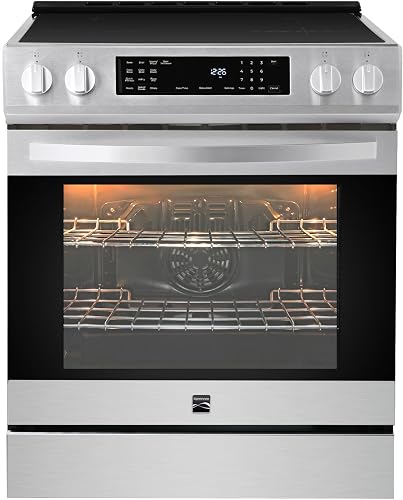

See our full reviews of the best induction ranges and our best oven ranges for gas options.
Induction vs Gas Range FAQs
Is induction better than gas?
For most home cooks, induction is faster, more efficient, safer and easier to clean, and it doesn't burn fuel indoors. Gas is better for wok cooking, charring over a flame and cooking during power outages.
Do professional chefs use induction or gas?
Many restaurants still use gas, but induction has become common in professional kitchens for its speed, precision and cooler working environment. Plenty of chefs now use induction at home too.
Is induction cheaper to run than gas?
It depends on local energy prices. Induction wastes far less energy, but natural gas is often cheaper per unit. For most homes, the monthly cooking cost difference is small.
Are gas stoves bad for your health?
Gas stoves release combustion byproducts like nitrogen dioxide indoors. Health agencies recommend using a range hood that vents outside and ensuring good ventilation whenever you cook with gas.
How much does it cost to switch from gas to induction?
Beyond the range itself, you may need an electrician to install a 240V circuit and possibly upgrade your panel, plus a professional to cap the gas line. Get quotes before you buy.
Can you use a wok on induction?
Yes, with a flat-bottomed carbon steel or cast iron wok. Round-bottomed woks lose contact with the glass and don't heat well unless the range has a dedicated wok zone.
Does induction work during a power outage?
No. Induction needs electricity. Many gas cooktop burners can be lit manually during an outage, which is an advantage for gas.
Is induction faster than gas?
Yes. Induction typically boils water noticeably faster than a gas burner because it heats the pan directly and loses little heat to the air.
Do I need new pans for induction?
Only for non-magnetic pans. Cast iron and most stainless steel work. Use the magnet test before buying anything new.
How long does it take to get used to induction?
Most people adjust within one to two weeks. The main change is speed: prep ingredients before you start, and use a setting or two lower than you would on gas.
Do I need a bigger range hood for gas?
Usually, yes. A common rule of thumb for gas is about 1 CFM of hood airflow per 100 BTUs of burner output. Induction produces no combustion byproducts, so a smaller hood is often enough.
Which is safer, induction or gas?
Induction is generally safer: there's no open flame, the glass stays cooler, zones turn off without a pan, and there's no gas line or combustion indoors.
Final Verdict
Induction is the better choice for most kitchens: it's faster, more efficient, easier to clean, safer and doesn't burn fuel indoors. Gas still wins for wok cooking, flame charring and cooking through power outages.
If you're switching from gas, budget for electrical work, start with the magnet test on your pans, and compare models in our best induction ranges guide.
TopOvenPicks is reader-supported. When you buy through links on our site, we may earn an affiliate commission at no extra cost to you. Prices and availability change often, so always confirm details on Amazon.