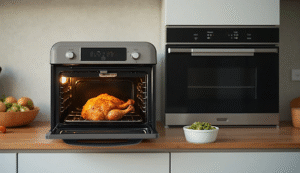
Keeping your oven clean isn’t just about appearances; it’s essential for hygiene, cooking efficiency, and preventing lingering odors from burned-on food. Many people reach for harsh chemical cleaners, but there’s a safer, natural alternative that’s just as effective: baking soda and vinegar.
If you’re wondering how to clean oven with baking soda and vinegar, this step-by-step guide will show you an easy, beginner-friendly method. With just a few simple ingredients and some patience, you can remove grease, grime, and stubborn stains without exposing yourself or your family to toxic chemicals. By the end of this guide, your oven will be sparkling clean and ready for your next delicious meal.
Why Use Baking Soda and Vinegar to Clean Your Oven
Cleaning your oven doesn’t have to mean using harsh chemicals that leave strong odors or pose risks to your family. Many people prefer natural alternatives, and that’s where baking soda and vinegar shine. If you’re looking for how to clean oven with baking soda and vinegar, understanding their benefits can make the process much easier and more effective.
Benefits of Natural Oven Cleaning Methods
- Safe for family and pets Unlike chemical cleaners, natural ingredients won’t leave harmful residues or fumes.
- Non-toxic and eco-friendly baking soda and vinegar are biodegradable and gentle on the environment.
- Effective on grease and burnt-on food Even stubborn stains and baked-on grime can be loosened without scrubbing endlessly.
How Baking Soda and Vinegar Work Together
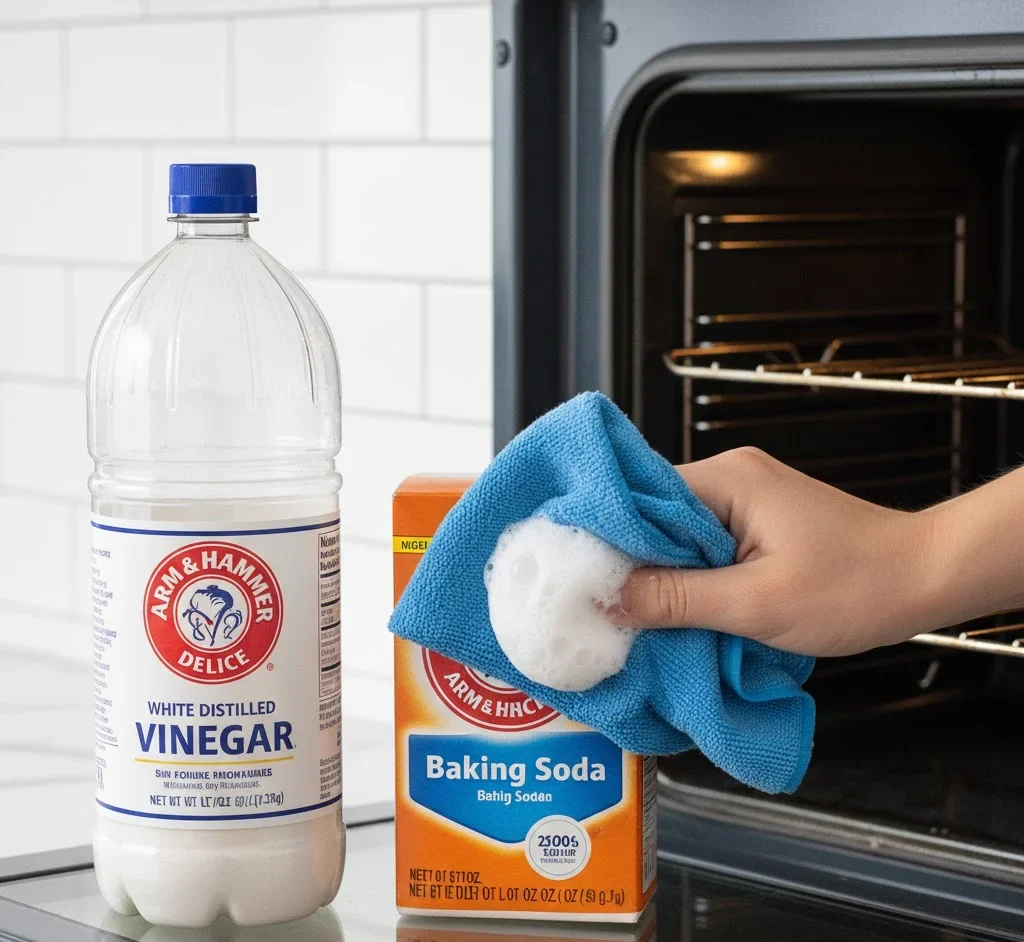
- Baking soda: This mild abrasive absorbs grease and helps break down tough food residue while being gentle on surfaces.
- Vinegar: When sprayed over baking soda, it reacts to create a fizzy action that lifts grime and makes it easier to wipe away.
Using these two ingredients together is a simple, natural, and highly effective way to achieve a sparkling clean oven without harmful chemicals.
Step-by-Step Guide to Cleaning Your Oven
If you’ve been wondering how to clean oven with baking soda and vinegar, follow this simple, beginner-friendly guide. With just a few household ingredients and some patience, your oven will be sparkling clean in no time.
What You’ll Need
Before you start, gather these supplies:
- Baking soda
- White vinegar
- Water
- Spray bottle
- Sponge or soft cloth
- Gloves (optional but recommended)
- Small brush or old toothbrush (optional for stubborn spots)
Having everything ready makes the cleaning process smoother and faster.
Preparing Your Oven
- Remove the oven racks and any loose debris.
- Lay down old towels or newspapers at the bottom to catch drips or spills.
- Make sure your oven is completely cool before starting.
Proper preparation ensures an effective and safe cleaning session.
Making the Baking Soda Paste
- Mix about ½ cup of baking soda with a few tablespoons of water until you get a spreadable paste.
- Adjust the amount of water to get a consistency that’s thick enough to stick to vertical surfaces but easy to spread.
This paste is the main cleaning agent that will lift grease and baked-on grime.
Applying the Paste
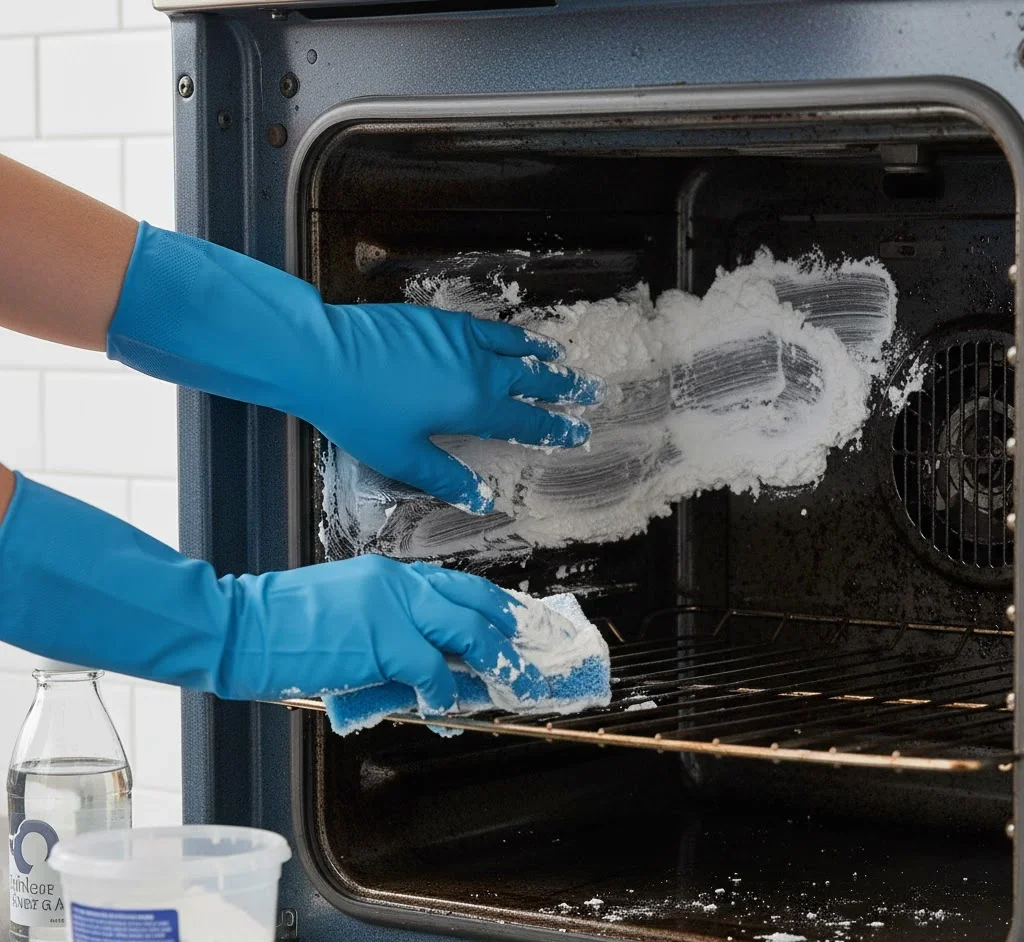
- Wearing gloves, spread the baking soda paste evenly over the interior surfaces of your oven. Avoid heating elements.
- Focus on areas with tough stains and buildup.
- Let the paste sit for at least 12 hours or overnight for heavily soiled ovens.
This waiting period allows the baking soda to break down stubborn grease naturally.
Spraying Vinegar
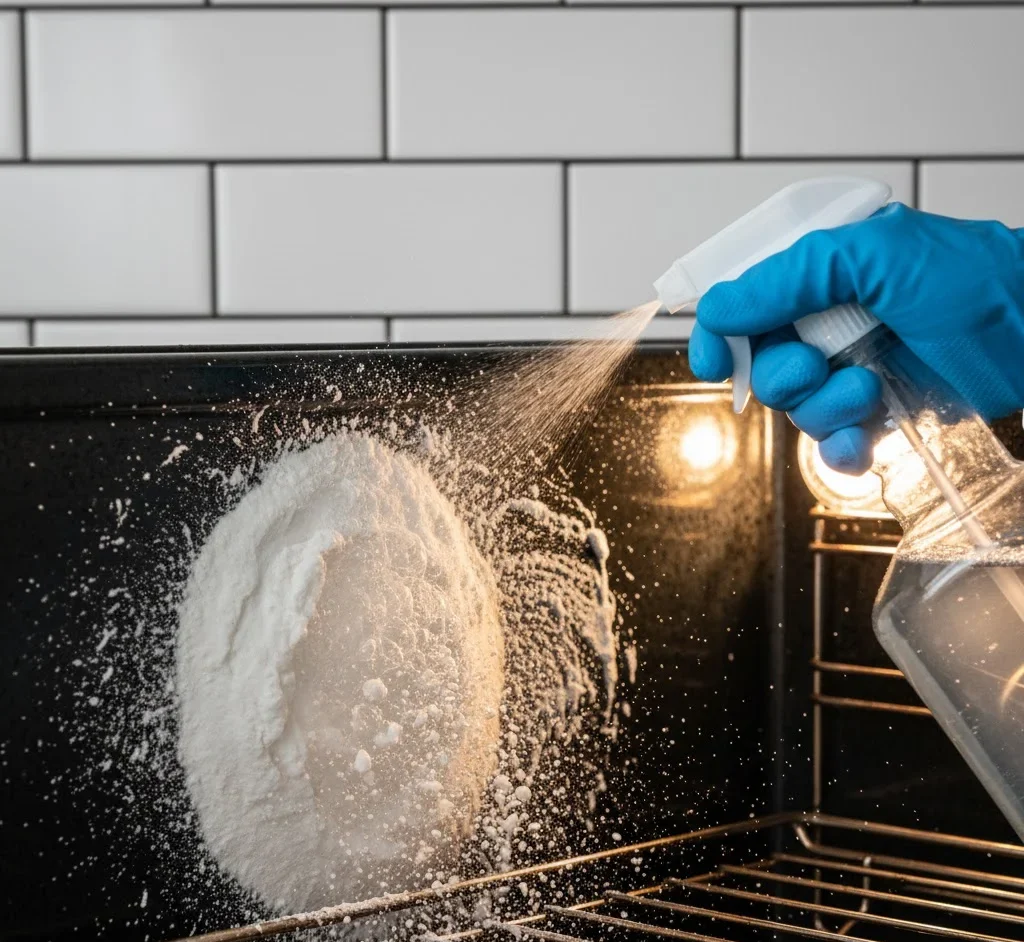
- Pour vinegar into a spray bottle and lightly spray over the baking soda-coated surfaces.
- You’ll notice a fizzy reaction as the vinegar interacts with the baking soda, helping to lift grime.
- Allow the fizzing to work for a few minutes before wiping.
This natural reaction makes scrubbing easier and reduces effort.
Wiping and Scrubbing
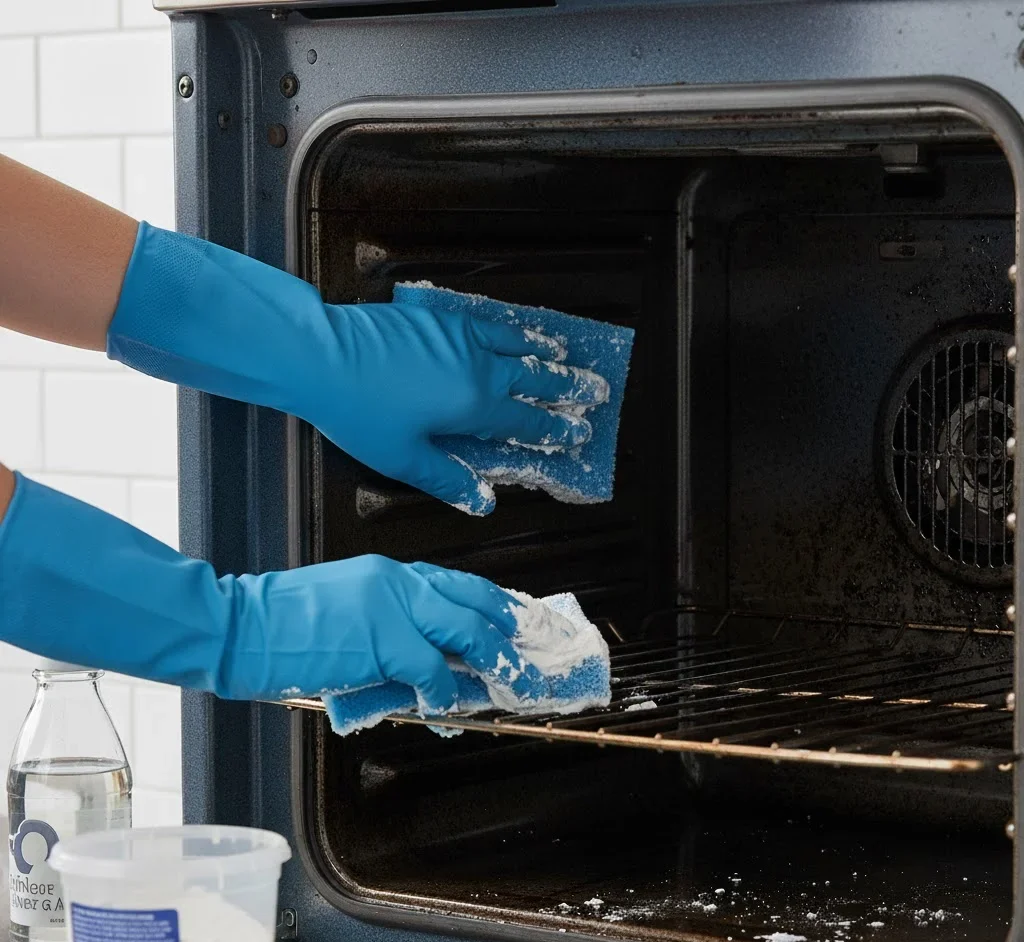
- Use a damp sponge or cloth to wipe away the baking soda and vinegar mixture.
- For stubborn spots, gently scrub with a brush or sponge until clean.
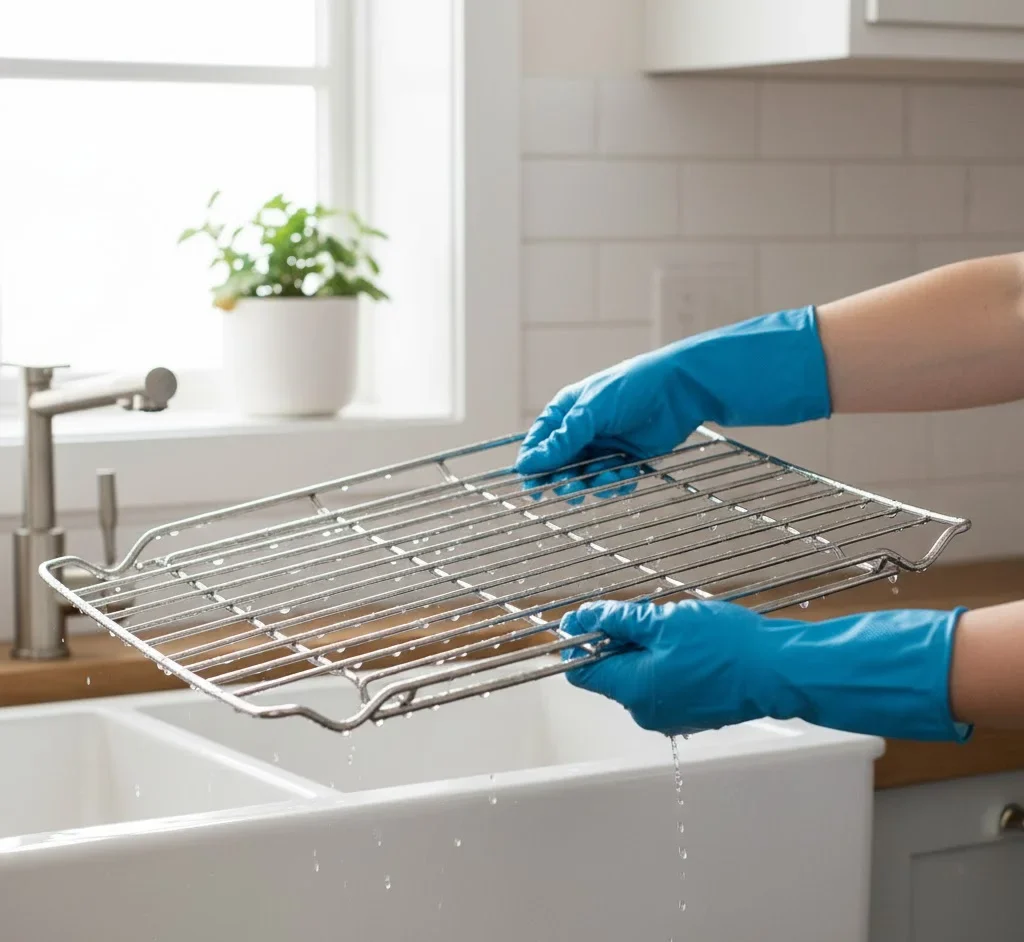
- Don’t forget to clean oven racks separately using the same paste or by soaking them in warm, soapy water.
- Wipe down the oven door and all surfaces to remove residue.
With careful wiping, your oven interior will look fresh and streak-free.
Final Touches
- Rinse the sponge or cloth, wipe all surfaces thoroughly, and dry with a clean cloth.
- Replace the racks and ensure everything is properly positioned.
- Optional: For a pleasant smell, you can place a few lemon slices or a drop of vanilla on a tray and heat the oven briefly.
Following these steps shows exactly how to clean oven with baking soda and vinegar efficiently and safely, leaving it sparkling without harsh chemicals.
Tips for Best Results
When learning how to clean oven with baking soda and vinegar, following a few simple tips can make the process faster, easier, and more effective:
- Use gloves to protect your hands: Baking soda is gentle, but prolonged contact can dry out your skin.
- Be patient: Let the baking soda paste sit long enough at least 12 hours or overnight for tough grime to achieve the best results.
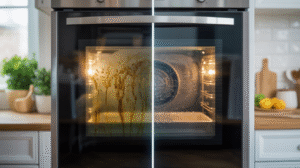
- Avoid metal scrapers on oven glass: Scratching the glass can cause permanent damage; stick to soft sponges or brushes.
- Maintain your oven regularly: Wipe up spills promptly and do a light natural cleaning every few weeks to prevent heavy buildup.
These tips ensure your natural oven cleaning method works efficiently and keeps your oven looking like new.
Common Mistakes to Avoid
Even with natural methods, there are a few mistakes beginners often make when figuring out how to clean oven with baking soda and vinegar:
- Applying paste too thick or unevenly: Overloading the surface can make it harder to wipe off later.
- Not letting baking soda sit long enough: Rushing the process reduces its effectiveness on baked-on grime.
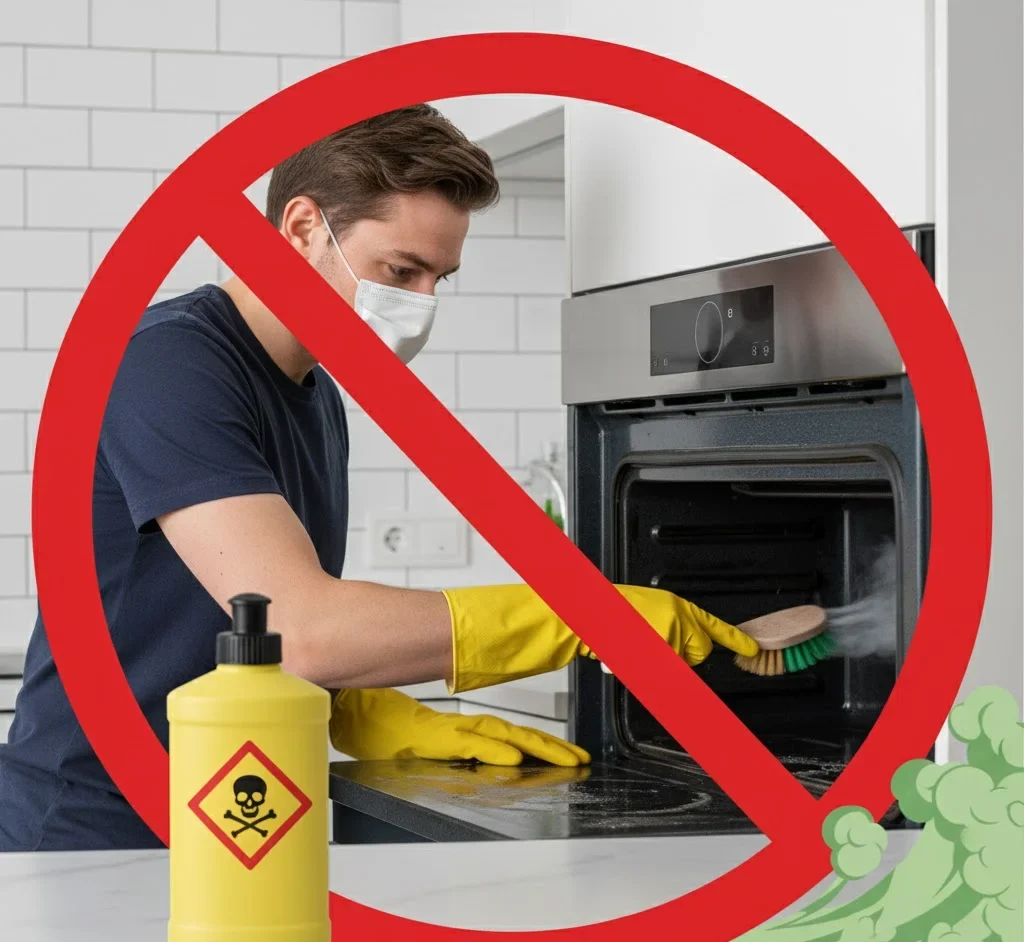
- Using harsh chemicals afterward: Mixing chemicals with natural ingredients can be unsafe and unnecessary.
- Forgetting to clean racks separately: Oven racks often have stubborn stains that need soaking or separate scrubbing.
Avoiding these mistakes will save time and ensure a spotless, chemical-free oven.
FAQs

- How long should I let the baking soda sit? For the best results when learning how to clean oven with baking soda and vinegar, let the paste sit for at least 12 hours or overnight. This gives it enough time to break down tough grease and baked-on grime effectively.
- Can I use this method on a self-cleaning oven? Yes, you can use baking soda and vinegar for light maintenance even on self-cleaning ovens. However, avoid using harsh chemicals afterward, as self-cleaning ovens are designed for high-heat cleaning cycles.
- Is it safe for all oven types? This natural method is safe for most ovens, including gas, electric, and convection ovens. Just avoid applying paste directly on heating elements and always follow your manufacturer’s guidelines.
- How often should I clean my oven naturally? For optimal hygiene and performance, aim to clean your oven naturally with baking soda and vinegar every 1–3 months, depending on usage. Regular maintenance prevents heavy buildup and makes each cleaning easier.
Conclusion

Cleaning your oven doesn’t have to involve harsh chemicals or expensive products. By following this guide on how to clean oven with baking soda and vinegar, you can achieve a sparkling, fresh, and safe-to-use oven with simple, natural ingredients.
Consistency is key: incorporate regular natural cleaning methods into your kitchen routine to prevent stubborn buildup and maintain a hygienic cooking environment. With just a few household ingredients and some patience, a clean oven is always within reach!