Quick Intro
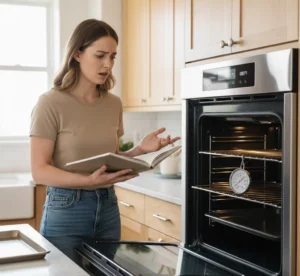
Noticing smoke coming from your oven can be alarming, but before you panic, take a deep breath and many causes are simple to fix. Understanding why is my oven smoking is important not only for the taste of your meals but also for safety in your kitchen. Smoke can indicate anything from leftover food drips to more serious issues like electrical or gas problems, so it’s crucial to act carefully.
This guide is designed to walk you through practical oven smoke troubleshooting step by step. You’ll learn how to identify the type of smoke, pinpoint common causes, safely address minor problems, and know when it’s time to call a professional. We’ll also share preventive tips to keep your oven running smoothly and avoid future smoke incidents. By the end, you’ll feel confident diagnosing and fixing most smoke issues quickly, making your cooking safer and stress-free.
Quick Safety Checklist
Before diving into oven smoke troubleshooting, safety comes first. Follow these steps immediately if your oven starts smoking:
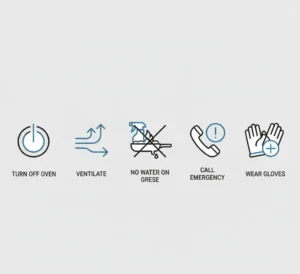
Immediate Do / Don’t Actions
- Turn off the oven and unplug it if possible.
- Ventilate the area by opening windows and turning on the range hood.
- Keep the oven door closed as much as possible to prevent smoke from spreading.
- Avoid using water on grease fires this can make flames worse.
- Wear heat-resistant gloves if you need to handle hot racks or trays.
When to Evacuate & Call Emergency Services
- If you notice sparks or flames inside the oven.
- If there’s a strong gas smell, indicating a possible leak.
- If the smoke is thick or persistent, making the area unsafe to stay in.
Following these precautions ensures that while you investigate why your oven is smoking, you and your home remain safe.
How to Diagnose the Smoke
Before you jump into cleaning or calling a technician, it’s important to understand why your oven is smoking. A careful diagnosis helps you address the right problem safely, prevent further damage, and ensure your kitchen stays safe. By following a structured approach, you can pinpoint the cause quickly and decide whether it’s a simple fix or requires professional help.
Step 1: Note Smoke Color and Smell
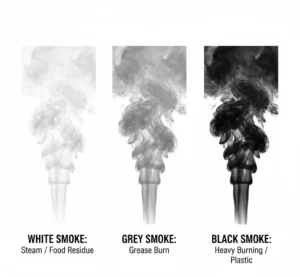
The color and smell of the smoke can provide important clues during oven smoke troubleshooting:
- White smoke: Usually harmless, often caused by leftover food residue or water vapor.
- Grey smoke: Could indicate burning grease, oil, or food debris stuck on racks or oven floor.
- Black smoke: Often a sign of heavier burning, such as plastic, oven insulation, or severely charred food.
Smells are also important: an acrid chemical smell may indicate plastic or electrical issues, a sweet burning odor can be leftover sugars or oils, and a rotten-egg smell may signal a gas leak. Paying attention to these signs helps you prioritize safety and the next steps.
Step 2: Check Recent Use or Events
Think back to what was happening in your oven before the smoke appeared:
- Any recent spills or drips of food, sauces, or oils.
- Burning pizza, bread, or sugar-laden dishes that can char quickly.
- Use of foil or non-oven-safe materials touching the heating element.
- Running the self-clean cycle, especially if grease or crumbs were left inside.
Identifying recent events can narrow down likely causes, making your troubleshooting more accurate.
Step 3: Inspect Oven Interior & Racks
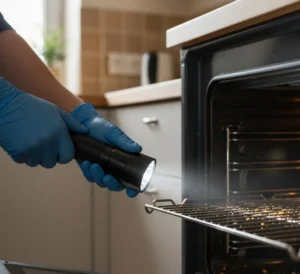
Carefully examine the inside of your oven for common culprits:
- Burnt food particles stuck to racks or oven floors.
- Grease build-up on walls, trays, or drip pans.
- Foil or cookware that might be too close to the heating element.
Use a flashlight if needed and make sure the oven is completely cooled down before touching anything. This step often reveals the source of smoke without any complicated tools.
Step 4: Identify Oven Type
Different ovens can produce smoke for different reasons, so know your type:
- Electric ovens: Smoke often comes from burned-on residue on heating elements or trays.
- Gas ovens: Smoke can result from clogged burner ports, improper flame, or spilled food.
This distinction affects how you clean, troubleshoot, or whether you should call a professional for repairs.
Step 5: Check External Causes
Sometimes, the smoke isn’t coming from the oven itself:
- Steam or smoke from nearby cookware can appear to be from the oven.
- Poor ventilation in the kitchen or a blocked range hood can trap and intensify smoke.
- Smoke from ducts or furnace vents can make it seem like the oven is the culprit.
Eliminating these external causes helps you focus on the real source of the problem.
Step 6: Look for Electrical Signs
If the smoke has an unusual smell or sparks are present, it may be an electrical issue:
- Burning plastic or wire smell indicates potential wiring issues.
- Visible sparks or unusual flickering inside the oven.
- Tripped circuit breakers during oven operation.
Electrical causes are serious if any of these signs are present, stop using the oven immediately and call a certified technician.
Decision Tree Summary
After going through these steps, you can often match the signs to likely causes:
- Burnt food or crumbs → clean interior and racks.
- Grease or oil build-up → deep clean with baking soda or vinegar.
- Oils on heating element → carefully wipe element or call a pro if persistent.
- Insulation or wiring burning → stop use and contact a technician.
By systematically observing color, smell, recent usage, oven type, external factors, and electrical signs, you can pinpoint why your oven is smoking and decide the safest next steps.
Step-by-Step Fixes
Once you’ve diagnosed the issue, it’s time to take action. Addressing why your oven is smoking carefully can prevent further damage, keep your kitchen safe, and restore your appliance to normal operation. Below is a structured, beginner-friendly step-by-step guide to tackle most common smoke problems.
Immediate Actions
Before touching anything, ensure your safety:
- Turn off the oven and unplug it if it’s electric. For gas ovens, turn off the gas supply.
- Ventilate the kitchen by opening windows and turning on the range hood.
- Keep the oven door closed if smoke is thick, opening it only briefly.
- Allow the oven to cool completely before removing racks or attempting cleaning.
These steps reduce the risk of burns or fire while you troubleshoot why your oven is smoking.
Fix A: Remove Burned Food and Crumbs
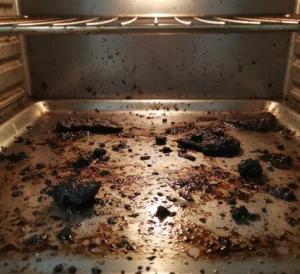
Often, the simplest causes of oven smoke are leftover food bits:
- Wait until the oven is cool to avoid burns.
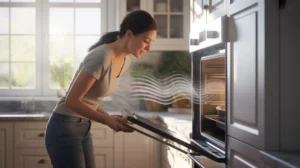
- Use heat-resistant gloves or tongs to remove burnt food on racks or the oven floor.
- A soft brush or vacuum (safe for appliances) can help remove fine crumbs.
Regularly removing debris is one of the easiest ways to prevent future smoke and address current minor issues safely.
Fix B: Clean Grease and Residue
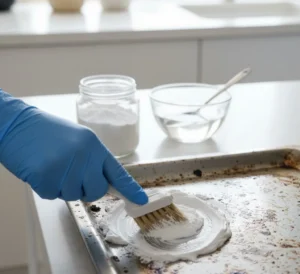
Grease and oily spills can cause persistent smoke. Cleaning should be gentle yet thorough:
- Mix baking soda and water into a paste and apply to greasy spots. Let it sit for 15–20 minutes, then scrub gently with a soft cloth.
- Alternatively, warm water with mild dish soap works for routine cleaning.
- Avoid harsh oven cleaners on heating elements, seals, or inside gas burners, as this can damage components.
Cleaning grease not only fixes immediate smoke but also prevents reoccurrence.
Fix C: Deal with Oil/Grease Fires Safely
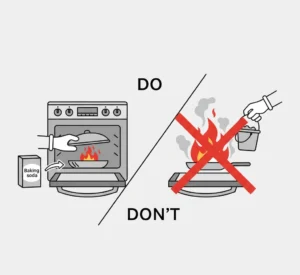
Sometimes, residual oils can ignite:
- Never pour water on a grease fire; it can spread flames.
- Smother small flames with a metal lid or use a fire blanket.
- Baking soda can also help extinguish minor pan or oven grease fires safely.
Understanding these techniques is a crucial part of oven smoke troubleshooting for safety-first cooking.
Fix D: If Smoke Comes from Heating Element (Electric Ovens)
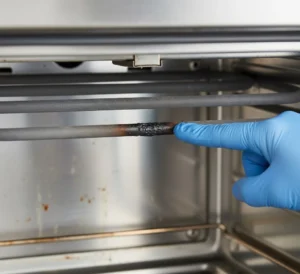
Electric ovens may smoke if the element has residue or damage:
- After cooling, inspect the heating coil for charred food or grease.
- Wipe gently with a damp cloth or use a soft brush; avoid abrasive scrubbing that can damage the element.
- If the element is cracked, burnt, or continuously smokes, replace it or call a professional.
This step helps prevent recurring smoke and potential electrical hazards.
Fix E: Gas-Oven Specific Issues
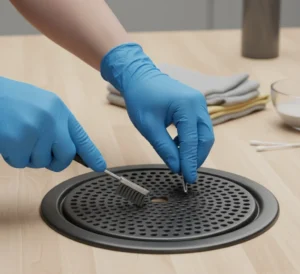
For gas ovens, smoke can originate from burners:
- Inspect burner ports for clogs; clean carefully with a soft brush.
- Check the igniter or pilot light; reseat or clean if necessary.
- Persistent issues, unusual flames, or gas smell require calling a qualified technician.
Proper maintenance of burners is a key part of understanding why a gas oven is smoking.
Fix F: Wiring or Insulation Problems
Smoke accompanied by plastic/electrical smells or sparking signals serious issues:
- Immediately cut power and do not use the oven.
- Do not attempt DIY repairs on electrical components unless certified.
- Contact a licensed appliance repair professional.
Electrical or insulation faults are rare but critical, and addressing them safely is essential.
After-Fix Checks
Once you’ve cleaned or repaired your oven:
- Run a short, empty test at low temperature while ventilating the kitchen.
- Observe any residual smoke or unusual odors.
- If smoke persists, it may indicate deeper issues, requiring a professional inspection.
These post-fix checks ensure that your oven is functioning properly and help prevent future incidents, completing your oven smoke troubleshooting process.
Tools, Supplies & Estimated Time
Before starting oven smoke troubleshooting, having the right tools makes the process safer and more efficient. Here’s what you’ll need:
- Gloves heat-resistant for handling hot or sharp items.
- Scraper & soft brush remove burnt food or grease without damaging the oven surface.
- Baking soda & white vinegar gentle cleaning agents for stubborn residue.
- Microfiber cloth for wiping surfaces clean.
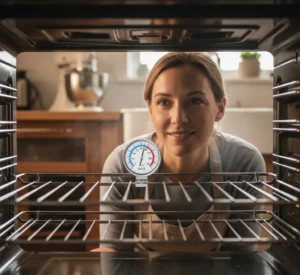
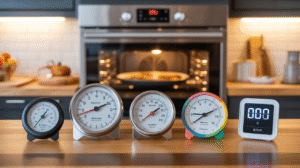
- Oven thermometer to check accurate oven temperature after cleaning.
- Flashlight to inspect dark corners and heating elements.
- The mask protects from inhaling dust or smoke particles.
- Basic multimeter (optional) for electrical checks in electric ovens.
- Phone for quick access to emergency contacts or professional services.
Estimated time: Minor cleaning or debris removal can take 15–30 minutes. Deep cleaning or grease-heavy residue may take 45–90 minutes. If professional repairs are needed, scheduling and repair could take 1–3 hours depending on the issue. Having the right tools ready speeds up safe oven smoke troubleshooting.
Tips to Prevent Oven Smoking
Preventing smoke is much easier than fixing it. Regular care keeps your oven functioning properly and reduces the chances of surprises like sudden smoke. Here are some practical tips:
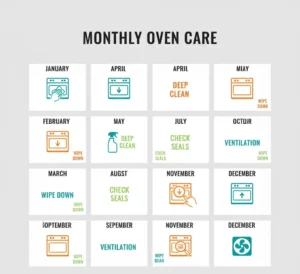
- Maintain a regular cleaning schedule: Wipe up spills immediately and perform a deeper clean monthly. Removing food crumbs, grease, and oil buildup prevents the most common causes of smoke.
- Use oven-safe pans and cookware: Avoid non-oven-safe materials that can melt or release fumes. Limit excessive oil or fat in dishes, and avoid deep-fat frying in the oven to reduce smoke risks.
- Rack and foil placement: Keep racks level and avoid letting foil touch heating elements. Improper foil use can block vents or cause sparks, leading to smoke.
- Be cautious with self-cleaning cycles: Do not run the self-clean function if there’s heavy grease or residue. If you must, clean the oven first or use lower settings to avoid smoke and odors.
- Ventilate properly: Always use your range hood when cooking, or crack a window to allow fresh air in. Good ventilation keeps smoke and odors from building up, making oven smoke troubleshooting simpler if minor issues arise.
- Monitor your oven during use: Avoid leaving it unattended when cooking foods prone to splattering, burning, or dripping. A little vigilance goes a long way in preventing smoke.
By following these preventive tips, you’ll minimize the chances of smoke and make your kitchen safer and more pleasant, while reducing the need for reactive oven smoke troubleshooting.
Common Mistakes to Avoid
When troubleshooting why your oven is smoking, beginners often make mistakes that can worsen the problem or create safety hazards. Avoid these common errors:
Mistake 1: Pouring water on an oil fire
Many people instinctively grab water when smoke turns into flames, but adding water to a grease fire can cause a dangerous flare-up. Always smother small grease fires with a metal lid, fire blanket, or use baking soda.
Mistake 2: Using foil to “protect” the bottom of the oven
While foil might seem like a shortcut, covering the oven floor can block vents and interfere with airflow. This can trap heat, cause uneven cooking, and even generate smoke from trapped grease.
Mistake 3: Ignoring electrical smells or continuing to use a smoking oven
Persistent acrid or burning smells, sparks, or unusual smoke should never be ignored. Continuing to operate the oven can lead to electrical fires or permanent damage.
Mistake 4: Over-relying on harsh oven cleaners
Using excessive chemical cleaners, or applying them incorrectly on heating elements or seals, can damage components and trigger more smoke. Gentle cleaning with baking soda or vinegar is often safer and effective.
By avoiding these mistakes, you reduce risks and make your oven smoke troubleshooting more effective and safe.
How to Decide: DIY or Call a Pro
Not every smoke issue requires a professional, but knowing the limits of DIY fixes is key to safety.
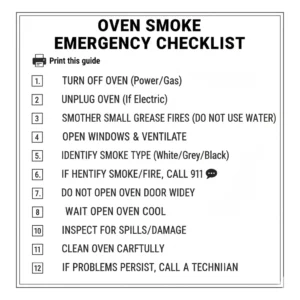
Simple fixes you can safely do include:
- Removing burnt food and crumbs
- Cleaning minor grease or oil residue
- Applying baking soda paste to stains
- Checking racks and foil placement
Red flags that require professional help:
- Persistent gas smell in a gas oven
- Continuous or unusual electrical smells
- Visible sparks or burning inside the oven
- Smoke that persists even after cleaning
When any of these red flags appear, stop using the oven immediately and contact a certified technician. Recognizing when to DIY and when to call a pro is a crucial part of safe oven smoke troubleshooting and ensures both your safety and the longevity of your appliance.
FAQs
Q1: Why does my oven smoke the first time I use it?
New ovens often smoke during the first few uses due to manufacturing oils or protective coatings burning off. This is normal and usually stops after 1–2 uses. Always ventilate the kitchen during this period as part of safe oven smoke troubleshooting.
Q2: Is it safe to keep using an oven that smokes a little?
Minor smoke from leftover crumbs or grease is usually safe if it’s occasional and short-lived. However, persistent smoke, unusual smells, or sparks should never be ignored, and the oven should be checked before continued use.
Q3: What does a rotten-egg smell mean?
A rotten-egg odor indicates a possible gas leak in a gas oven. Turn off the oven, ventilate the area, and call your gas provider or a certified technician immediately. Do not attempt to use the oven until it’s inspected.
Q4: How long should the smoke smell last after cleaning?
After a thorough cleaning, residual smoke or odors may linger for a few hours, especially after a self-clean cycle. Proper ventilation helps, but if the smell persists for more than a day, re-inspect the oven for hidden grease or debris.
Q5: Can self-cleaning cause smoke?
Yes. Self-clean cycles burn off residue at extremely high temperatures, often producing smoke and odors. Heavy grease or food residue can intensify this, so it’s important to remove large spills beforehand.
Q6: How do I remove persistent smoke odor from the kitchen?
- Open windows and use a range hood or fans.
- Place bowls of vinegar or baking soda around the kitchen to absorb odors.
- Wipe down surfaces with a mild detergent to remove lingering residue.
Q7: Do I need an electrician or an appliance repair service?
Call a professional if you notice electrical smells, sparks, persistent smoke, or gas issues. DIY repairs are safe only for cleaning, minor grease removal, or repositioning racks.
Q8: Can burnt food inside the oven cause continuous smoke?
Yes. Even small burnt crumbs or oil residue on racks or the oven floor can produce smoke each time you heat the oven. Regular cleaning prevents this common cause of smoke.
Q9: How can I prevent my oven from smoking in the future?
- Clean spills and crumbs immediately.
- Avoid over-oiling pans or using non-oven-safe materials.
- Ventilate properly during cooking and self-cleaning cycles.
Q10: Is it normal for a gas oven to produce some smoke during cooking?
A small amount of white smoke may appear when cooking fatty or sugary foods. This is usually normal, but black smoke or unusual odors indicate a problem that should be addressed via oven smoke troubleshooting.
Quick Troubleshooting Checklist
Follow these steps whenever you notice smoke to safely address why your oven is smoking:
Safety First
- Turn off the oven and unplug it (or turn off gas supply).
- Ventilate the kitchen by opening windows and using the range hood.
- Keep the oven door closed if smoke is thick.
Observe Smoke Characteristics
- Note smoke color (white, grey, black).
- Smell for unusual odors (burnt food, chemical, or gas).
Check Recent Use
- Look for spills, oil, or food residue.
- Consider if the self-cleaning cycle was recently used.
Inspect Oven Interior
- Remove racks and examine the floor, walls, and heating elements for debris.
- Ensure foil or cookware isn’t touching elements.
Identify Oven Type
- Determine if it’s gas or electric troubleshooting differs.
Check for External Causes
- Confirm smoke isn’t from nearby pans, ventilation, or ducts.
Address the Cause
- Clean crumbs, grease, or burnt food.
- For minor element residue, gently wipe clean.
- For gas issues, clean burner ports or call a certified technician.
- For electrical or persistent smoke, stop using the oven and call a professional.
After Fix Checks
- Run a short, empty test at low temperature while ventilating.
- Ensure smoke and odors are gone before normal use.
Save or print this checklist for quick reference whenever your oven starts smoking.
Conclusion
Understanding why your oven is smoking helps prevent accidents and keeps your kitchen safe. Many causes are simple, such as leftover crumbs, grease, or minor residue, and can be resolved with careful cleaning. However, some red flags like gas leaks, sparks, or persistent smoke require professional attention. By following safe troubleshooting steps, maintaining a regular cleaning routine, and knowing when to call a pro, you can enjoy cooking with confidence. Keep this guide handy for quick reference, and don’t hesitate to explore more in-depth oven care tips to prevent smoke in the future.