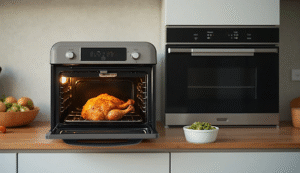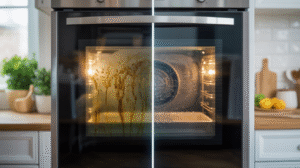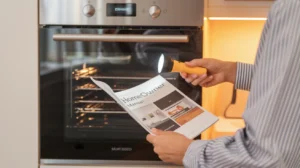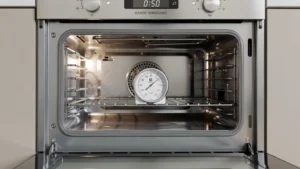
Ever wondered how to tell if your oven is gas or electric? It’s a simple but important thing to know especially if you’re moving into a new home, planning a repair, or replacing your appliance. Each oven type works differently, affecting how it heats, cooks, and even how much energy it uses. In this quick guide, you’ll learn the easiest ways to identify your oven type using clear visual clues and safe, step-by-step checks. By the end, you’ll know exactly what to look for, no tools, no confusion, and no guesswork needed.
Why Knowing Matters
Learning how to tell if your oven is gas or electric isn’t just about curiosity it’s about safety, efficiency, and maintenance. Knowing your oven type helps you use it properly, avoid hazards, and make smart repair or upgrade decisions. Let’s explore why this knowledge truly matters.
Safety & Installation Differences
Gas and electric ovens require completely different safety setups.
How to Preheat Gas, Electric & Convection Oven
- Gas ovens need proper ventilation and a secure gas line connection. A small leak can pose serious risks, so awareness is key.
- Electric ovens rely on a dedicated 240-volt outlet and proper wiring to prevent electrical overloads. Before moving, installing, or cleaning, always confirm your oven type to handle it safely.
Repair, Parts, and Cost Implications
When you know how to identify your oven type, you can save time and money.
- Gas ovens often need parts like igniters or burner assemblies.
- Electric ovens may require heating elements or fuses. Ordering the correct replacement parts starts with knowing whether it’s gas or electric and that means fewer mistakes and repair delays.
Energy Source and Cooking Performance
The type of oven you have affects how your food cooks and how much energy you use.
- Gas ovens heat faster and retain moisture, ideal for roasting.
- Electric ovens provide even, dry heat, perfect for baking. Recognizing your oven’s power source helps you adjust cooking times, temperatures, and expectations for better results.
Real-Life Scenarios
- Moving into a new apartment and unsure about the appliance setup
- Renting a property and checking if gas safety checks are required
- Planning to replace your oven or upgrade the kitchen
- Doing DIY maintenance or ordering spare parts online
What You’ll Need (Tools & Prep)
Before checking how to tell if your oven is gas or electric, gather a few simple tools. Most of these items you probably already have at home.
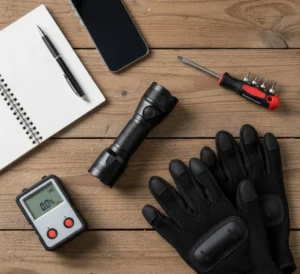
Basic Tools
- Flashlight (to look behind or inside the oven)
- Screwdriver (if you need to access the back panel carefully)
- Gloves (to protect your hands while inspecting)
- Smartphone or camera (to take pictures of labels and connections)
- Optional: gas detector or soapy water (to check for leaks, if safe to do so)
- Protective eyewear (especially if inspecting behind the unit)
Quick Safety Reminder
- Always turn off the oven and power source before inspecting.
- For electric ovens: unplug or switch off the circuit breaker.
- For gas ovens: ensure the gas knob is off, and if necessary, close the shut-off valve. Taking these precautions keeps your inspection safe and stress-free while you identify your oven type accurately.
Quick 60-Second Checks (Fast Way to Identify)
If you’re short on time, here’s how to tell if your oven is gas or electric in under a minute. These fast visual and sensory checks will help you identify your oven type without taking anything apart or using special tools.
Look at the Control Knobs and Display
- Start by observing the control panel.
- Gas ovens usually have mechanical knobs with labels like “Ignite,” “Pilot,” or “Light.” You may also see a spark or flame symbol.
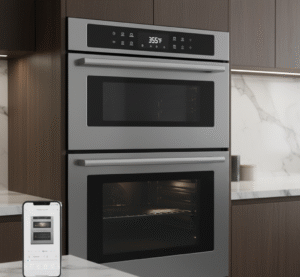
- Electric ovens often feature a digital display, touch controls, or buttons labeled “Bake,” “Broil,” and precise temperature settings. If you see electronic buttons or a glowing LED screen, your oven is most likely electric.
Check the Power Connection Behind the Oven
- If it’s safe to do so, gently pull the oven a few inches forward to peek at the back.
- A gas oven will have a thick, flexible metal gas line (often silver or yellow) connected to a valve on the wall.
- An electric oven will have a heavy-duty power cord plugged into a large 240V outlet or hardwired conduit. The connection type is the most reliable quick clue when learning how to tell if your oven is gas or electric.
Smell/Safety Quick Check (Gas Odor)
- Stand near the oven and notice any smells.
- A faint gas odor (like sulfur or rotten eggs) could indicate a gas appliance but if you smell gas strongly, turn it off immediately and ventilate the area.
- Electric ovens produce no smell when off or idle.
60-Second Summary
In most cases, you can identify your oven type with these quick signs:
- Knobs and “Ignite” label → Gas
- Digital screen or glowing elements → Electric
- Gas line behind oven → Gas
- Large plug or cord → Electric These quick checks give you a clear answer before you move on to a deeper inspection.
Step-by-Step Guide – How to Tell If Your Oven Is Gas or Electric
Follow these easy steps to identify your oven type safely and confidently. Each step highlights the key signs that show whether your appliance runs on gas or electricity, perfect for beginners learning how to tell if your oven is gas or electric.
Step 1 – Inspect the Oven Exterior and Control Panel
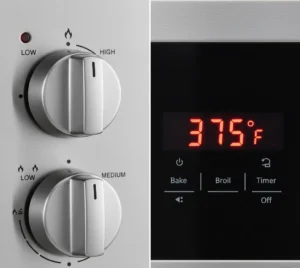
Starting with the control panel it offers the quickest clues.
- Gas ovens usually have rotary knobs marked “Ignite,” “Pilot,” or “Light.” Some may show a spark or small flame symbol near the temperature dial.
- Electric ovens often include a digital temperature display, touchpad controls, or bake/broil buttons instead of ignition settings.
- If your oven has a screen or buttons with precise temperature options (like 350°F), it’s almost certainly electric. Recognizing these external signs is an easy first step when learning how to tell if your oven is gas or electric.
Step 2 – Look Inside the Oven Cavity
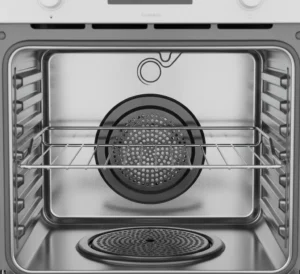
Open the oven door and check what’s visible inside.
- In a gas oven, you’ll often see a small circular burner or gas ports at the bottom. There might be a metal plate covering the burner area with holes or vents.
- In an electric oven, you’ll clearly see thick metal heating elements at the top and bottom. These glow red or orange when in use.
- The interior design alone can help you identify your oven type in seconds.
Step 3 – Check Under the Oven Door or Bottom Panel
Lift or slide out the lower panel (sometimes called the crumb tray or storage drawer).
- Gas ovens may have a visible burner assembly or pilot light beneath this panel.
- Electric ovens typically have insulation or wiring visible through vents, but no open flame parts.
- Always make sure the oven is off and cool before checking underneath. This is one of the safest ways to confirm how to tell if your oven is gas or electric without turning it on.
Step 4 – Inspect the Rear Connection
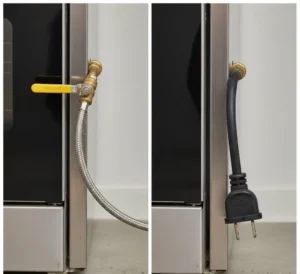
Carefully move the oven slightly away from the wall to check the back (only if safe to do so).
- A gas oven connects to a metal gas line, usually flexible and silver or yellow, with a small valve nearby.
- An electric oven connects through a heavy-duty 240V power cord or hardwired conduit, often leading to a large three-prong plug or junction box.
- If you see a gas valve or metal line, it’s gas. If you see only a thick electrical cable, it’s electric. This step gives the most reliable proof when learning how to tell if your oven is gas or electric.
Step 5 – Try a Safe Heating Test (Optional)
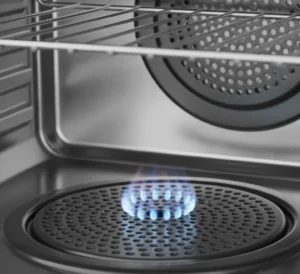
If you still aren’t sure, perform a short, safe heat test:
- Make sure the area is well-ventilated.
- Turn on the oven and observe what happens.
- A gas oven will make a clicking or ignition sound followed by a small blue flame at the bottom.
- An electric oven will remain silent but you’ll see the heating elements glow red within a minute or two.
⚠️ Safety Note: If you smell gas at any time, turn off the oven immediately, ventilate the space, and contact a technician.
This quick heating test is the final confirmation for anyone trying to identify their oven type.
Step 6 – Check Model & Manual for Definitive Proof
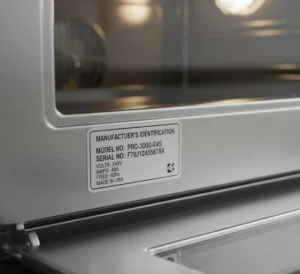
If visual checks aren’t enough, look for the manufacturer label:
- Open the oven door or pull out the lower drawer and you’ll find a small label with the model and serial number.
- Search that number online or check your manual. Terms like “LP,” “Natural Gas,” or “Gas Range” indicate gas, while “120V,” “240V,” or “Electric Range” confirm an electric model.
- When researching how to tell if your oven is gas or electric, this method provides 100% certainty.
When the Signs Are Mixed or Unclear
Some ovens combine both technologies; these are called dual-fuel ovens (gas cooktop + electric oven).
- If your cooktop has burners but the oven has glowing coils inside, you likely own a hybrid model.
- These appliances require both a gas line and an electrical connection.
- If you can’t confidently identify your oven type or you suspect a hybrid setup, it’s best to contact a licensed technician to confirm and ensure everything is safely connected.
Visual Clues & Photos (What to Expect)
Sometimes, a few visual hints are all you need to know how to tell if your oven is gas or electric. Whether you’re inspecting the inside, back, or controls, these small details can quickly help you identify your oven type without confusion.
Key Visual Signs to Look For
- Burner Ports: Small circular openings or a burner plate on the oven floor indicate a gas oven. These allow the gas flame to spread evenly across the bottom.
- Pilot Light or Igniter: A tiny flame or a clicking sound before the oven heats up is a clear sign of a gas-powered oven.
- Spark Electrode: This small metal rod near the burner produces sparks to ignite the gas, another giveaway of a gas oven.
- Glowing Electric Coil: Visible metal rods or loops that glow red when heating are signature features of an electric oven.
- Heating Element Shapes:
- Gas ovens: no visible coil; heat comes from below the metal plate.
- Electric ovens: visible top and bottom coils or U-shaped rods.
- Power Plug vs. Gas Line:
- A metal gas line (usually flexible and silver or yellow) means gas.
- A heavy-duty power plug or thick black cable indicates electricity.
- Gas Shutoff Valve: Located behind or beside the oven; if you see a small lever or valve on a pipe, it’s a gas oven.
Pro Tip
Take clear photos of the back connection, interior, and control panel before touching anything. Sharing these pictures with a technician or landlord can help them quickly confirm your oven type and ensure everything’s safe.
Safety Checks & What To Do If You Smell Gas
Learning how to tell if your oven is gas or electric also means knowing what to do if you detect a gas smell. Even a small leak can be dangerous, so act quickly and calmly.
Immediate Steps
If you ever smell gas (similar to rotten eggs or sulfur):
- Do not turn on or off any electrical switches, even a light switch can spark ignition.
- Turn off the oven immediately and avoid using nearby appliances.
- Ventilate the area by opening windows and doors to let the gas escape.
- Shut off the gas supply valve if you can safely access it, usually located behind or beside the oven.
- Leave the area immediately if the smell is strong or persistent.
How to Test for Leaks (Soapy Water Method)
If you suspect a minor leak but no strong odor:
- Mix dish soap with water in a spray bottle.
- Lightly spray it on the gas connection joints or valve.
- Watch for bubbles bubbling means gas is escaping.
⚠️ Important: Only use this test if the oven is turned off and there’s no heavy gas smell. Never use an open flame or match to check for leaks.
When to Evacuate and Call for Help
If the smell gets stronger or you hear hissing sounds:
- Evacuate immediately.
- Do not try to fix the leak yourself.
- From a safe distance, call your local gas company or emergency services.
- If you’re unsure about what’s causing the smell, contact a licensed technician to inspect your appliance safely.
Knowing how to tell if your oven is gas or electric is about more than convenience; it’s also about keeping your home safe. Always follow these steps if you suspect a gas issue, and never take chances with leaks or ignition.
Tips for Common Situations
When figuring out how to tell if your oven is gas or electric, certain living situations can make it a bit trickier. Whether you rent, live in an older home, or use a converted oven, here’s how to identify your oven type safely and correctly.
Rented Apartments (What Landlords Are Responsible For)
If you rent, your landlord is usually responsible for appliance safety and maintenance.
- Ask before inspecting: Your landlord or property manager should be able to confirm whether your oven is gas or electric.
- Look for labels: Most rental appliances have stickers or paperwork indicating “gas” or “electric.”
- Gas safety: In most regions, landlords must schedule annual gas safety checks for any gas appliances. If you’re unsure, don’t try to disconnect or test it yourself and request a professional inspection.
Knowing how to tell if your oven is gas or electric helps renters report issues accurately and stay safe without voiding lease agreements.
Older Houses with Hidden Gas Lines
If your home is older, it may have been upgraded or partially converted from gas to electric.
- Look behind the oven for capped-off gas pipes; these are signs that a gas line was used previously.
- Some older homes have both a gas valve and an electric outlet, especially during kitchen renovations.
- If you notice an unused pipe or smell faint gas, stop and call a professional before turning anything on.
Understanding how to identify your oven type in older homes prevents accidents caused by outdated or forgotten gas fittings.
Appliances with Aftermarket Conversions (LP vs Natural Gas)
Some ovens are originally built for one fuel type but later converted.
- A conversion kit lets gas ovens switch between natural gas and liquid propane (LP).
- Check for small metal labels or stickers near the connection area that read “Converted to LP” or “Natural Gas Only.”
- If you see a regulator, jet, or orifice adjustment tag, it’s a converted gas appliance.
- If you’re unsure, your manual or model number lookup will clarify. Never try to convert your own oven; only certified technicians should handle gas conversions.
How to Identify If an Oven Was Converted to Propane (LP)
To confirm whether your gas oven uses propane:
- Look for a label near the gas inlet stating “LP Gas” or “Liquid Propane.”
- The flame color offers another clue propane flames are usually blue with yellow tips, while natural gas burns a steady blue.
- Check the regulator cap (if accessible); many are stamped with “LP.”
- If you recently moved or replaced tanks, verify the connection matches your household fuel source.
When learning how to tell if your oven is gas or electric, it’s just as important to know the type of gas you’re using. Incorrect connections can lead to poor performance or safety risks.
Common Mistakes to Avoid
Even when you know the basics of how to tell if your oven is gas or electric, these common mistakes can lead to confusion or danger. Avoid them to keep your inspection safe and accurate.
Misinterpreting Glowing Pilot or Indicator Lights
Many people assume a glowing light inside means gas but that’s not always true.
- Electric ovens use glowing heating elements, not flames.
- Gas ovens have small pilot lights or ignition sparks not constant glows. If you see glowing rods or coils, that’s a clear sign your oven is electric.
Assuming a Knob Means Gas
Don’t rely on knobs alone.
- Both oven types can have temperature knobs.
- Only gas ovens will have markings like “Ignite” or “Pilot.” Always double-check with the other steps, especially the connection type before deciding.
Removing Access Panels Without Turning Off Power or Gas
This is one of the most dangerous mistakes.
- Always unplug an electric oven or shut off the gas valve before opening any panels.
- Metal edges can be sharp, and hidden wires or burners may still carry current or gas. When learning how to tell if your oven is gas or electric, remember: safety first, inspection second.
Relying Only on Smell Without Visual Checks
A faint odor isn’t always proof of a gas oven or even a gas leak.
- Electric ovens can produce light smells from wiring, dust, or insulation during first use.
- A gas smell should be taken seriously, but confirmed by inspecting the connections and visible parts.
Using both visual clues and safe checks ensures you identify your oven type correctly and prevent costly or dangerous mistakes.
Frequently Asked Questions
- How can I tell if my oven is gas without looking behind it? To know how to tell if your oven is gas or electric without moving it, open the door and check inside. A gas oven has a burner at the bottom or a small ignition hole, while an electric oven shows visible metal coils that glow when heating.
- Can an electric oven have a burner? No electric ovens don’t have gas burners. Instead, they use heating elements (thick metal rods) that get red-hot when turned on. If you see an actual flame or hear a clicking ignition sound, your oven is definitely gas-powered.
- What is a dual-fuel oven and how do I know if mine is one? A dual-fuel oven uses both energy sources: a gas cooktop and an electric oven compartment. You’ll know it’s dual-fuel if the top burners light with gas, but the oven section has glowing electric coils and plugs into a high-voltage outlet.
- Is it safe to test the oven myself? Yes, it’s generally safe to test if you follow precautions. Always turn off power or gas before inspecting, avoid touching internal parts, and never use an open flame. If you smell gas or feel unsure, stop immediately and call a professional technician.
- How do I find my oven model number? To confirm how to tell if your oven is gas or electric, check the model label. Open the oven door or pull out the bottom drawer and look along the frame or inside edge. The label lists the brand, model, and serial number.
- How much does it cost to convert an oven from gas to electric or vice versa? Converting fuel types isn’t a DIY job. On average, switching from gas to electric or electric to gas can cost anywhere from $200 to $800, depending on wiring, gas line, and ventilation work. Always hire a licensed professional for safe conversion.
Conclusion
Now you know exactly how to tell if your oven is gas or electric from quick visual checks to safe testing steps. Remember the key clues: flame means gas, glowing coils mean electric, and connection type confirms it.
If you’re ever uncertain, take a photo of your oven’s label and contact a certified technician for help. Knowing your appliance type keeps your kitchen safe, efficient, and ready for any recipe.