Slide In Oven vs Freestanding: Pros, Cons & Which to Buy
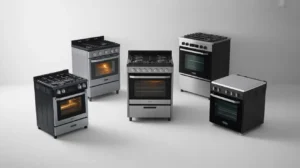
When it comes to upgrading your kitchen, one of the biggest choices you’ll face is whether to go with a Slide In Oven or a Freestanding range. At first glance, they might look similar, but the differences in installation, design, controls, and cost can make a big impact on your cooking experience and kitchen style.
A Slide In Oven is built to fit seamlessly between cabinets, giving you a sleek, custom look with the controls up front for easy access. A Freestanding oven, on the other hand, has finished sides and a built-in back panel with rear controls, making it easier to install anywhere, often at a lower price point.
In this guide, we’ll break down the pros and cons of Slide In vs Freestanding Ovens, highlight the key buying factors, and review four of the best models on the market right now. Whether you’re planning a full kitchen remodel or simply replacing an old unit, this comparison will help you decide which type is the best fit for your space, budget, and cooking needs.
1- FOTILE RES30552 - 30" Slide-In Electric Range
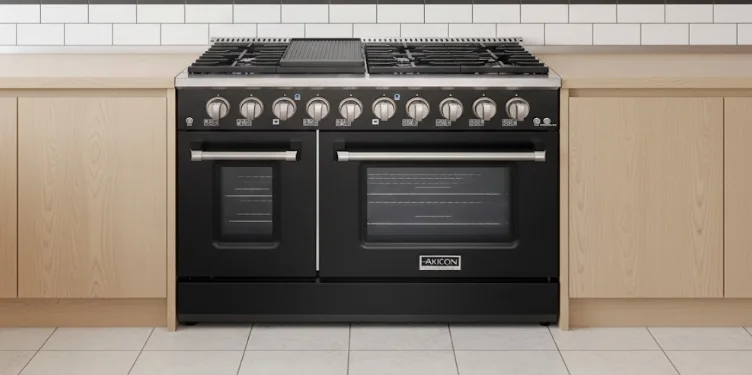
2- Akicon 48" Slide-In / Freestanding Professional Style Gas Range
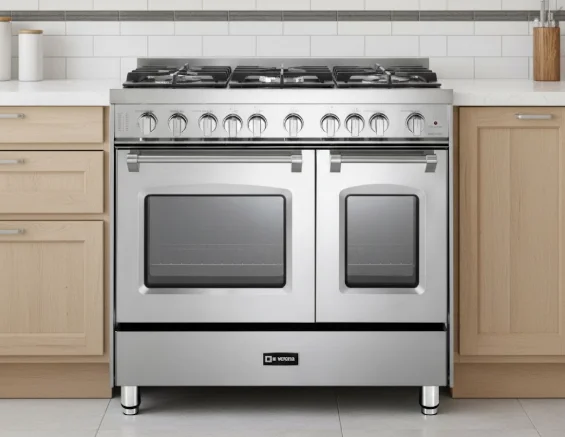
3- Verona VPFSGG365DSS - 36" Freestanding Gas Double Oven Range
Why This Guide Matters
Who this is for
This guide is designed for:
- Home cooks who want the right balance of cooking power, oven capacity, and style.
- Remodelers planning a kitchen upgrade and deciding between a built-in or flexible installation.
- Landlords & property managers looking for reliable, cost-efficient appliances that fit a variety of layouts.
- Small kitchen owners who need to maximize space while still enjoying modern cooking features.
What you’ll get from this article
By the end of this guide, you’ll have:
- A clear understanding of the differences between Slide In and Freestanding ovens.
- Side-by-side product comparisons with quick-glance tables for easy decision-making.
- Detailed reviews of top models, including pros, cons, and best-use scenarios.
- A buying checklist to avoid costly mistakes during installation.
- Final recommendations for the best overall, budget, and premium options.
Slide In vs Freestanding – Quick Definition
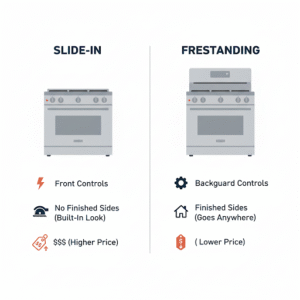
A slide-in oven is built to slide between cabinets, creating a flush, seamless look with controls on the front. In contrast, a freestanding oven has finished sides and a backguard with rear controls, making it easier and cheaper to install anywhere in the kitchen.
At-a-Glance Comparison - Quick Facts
- Installation:
- Slide-In → Slides flush between cabinets; may need a backsplash.
- Freestanding → Finished sides, can be placed anywhere without extra cabinetry.
- Slide-In → Slides flush between cabinets; may need a backsplash.
- Control Location:
- Slide-In → Front-mounted controls for easy access.
- Freestanding → Controls on a rear backguard panel.
- Slide-In → Front-mounted controls for easy access.
- Finished Sides:
- Slide-In → Unfinished sides (requires cabinetry on both sides).
- Freestanding → Finished sides, making them more flexible for open placements.
- Slide-In → Unfinished sides (requires cabinetry on both sides).
- Price Range:
- Slide-In → Higher cost due to integrated design and premium features.
- Freestanding → More affordable and widely available.
- Slide-In → Higher cost due to integrated design and premium features.
Quick Pros & Cons
Slide-In Ovens
✅ Sleek, built-in look
✅ Easier to reach front controls
❌ Higher price point
❌ Needs precise cabinet fit
Freestanding Ovens
✅ Lower upfront cost
✅ Flexible placement anywhere
❌ Bulkier look with back panel
❌ Rear controls less convenient
Product Comparison Table
Choosing between a slide-in oven and a freestanding range can feel overwhelming because specs often overlap. That’s why we’ve pulled together a quick, at-a-glance comparison of the four standout models in this guide.
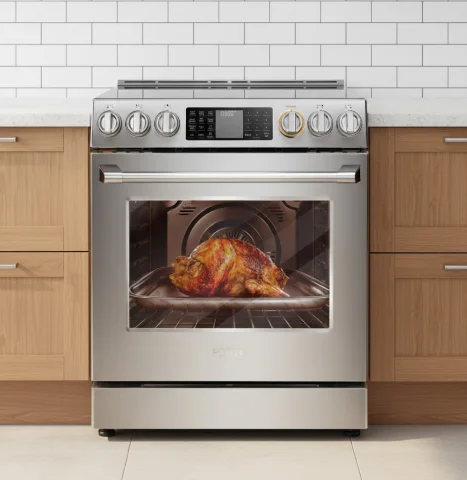
FOTILE RES30552
- Slide-In Electric
- 30
- Electric
- 5.7 cu. ft.
- 5 burners (3600W zones)
- True Convection, Air Fry, FreshBake catalytic tech
- Modern built-in look, versatile modes
- Pricier, requires precise fit
- Mid–High
Akicon 48"
- Slide-In / Freestanding Pro-Style
- 48
- Gas
- 6.7 cu. ft. (dual ovens)
- 8 burners (20k BTU duals, simmer options)
- Dual ovens, heavy-duty cast iron grates
- Pro-level power, huge capacity
- Expensive, very large footprint
- High
Verona VPFSGG365DSS
- Freestanding Gas
- 36
- Gas
- 3.9 cu. ft.
- 5 sealed burners (up to 17k BTU)
- Convection, storage drawer
- Flexible install, strong burners
- Backguard bulkier, smaller oven
- Mid
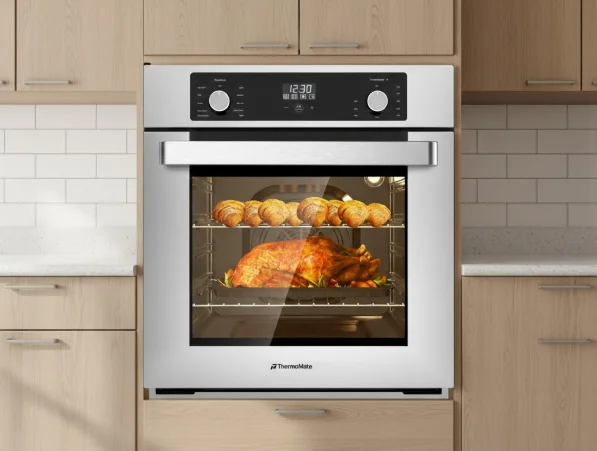
ThermoMate 24" Wall Oven
- Built-In Electric
- 24
- Electric
- 2.6 cu. ft.
- (wall oven only)
- 9 Cooking Functions, 3-layer glass door
- Compact fit, budget-friendly
- Small capacity, installation needed
- Budget
Buying Factors / Selection Criteria - What to Check Before You Buy
When choosing between slide-in and freestanding ovens (or ranges), success comes down to selecting based on your kitchen’s constraints, cooking habits, and long-term goals. Below are the key criteria you should evaluate to make a decision you won’t regret.
Kitchen layout & installation (island vs wall; finished sides; cabinet cutout)
- Cabinet cutout & width tolerance: Most ranges fit into a 30-inch standard opening (with depths ~27-29 in, height ~36 in). But slide-ins often require tighter tolerances because their sides are unfinished.
- Finished sides vs exposed sides: Freestanding models have finished (decorative) side panels, so they can be placed at the end of a run or with one side exposed. Slide-in models frequently have unfinished sides, meaning they must be flanked by cabinets.
- Backsplash & wall clearance: Because slide-ins lack a backguard, a backsplash is often required behind the unit to protect the wall from splatters, heat, or grease.
- Cabinet and countertop modifications: In some cases, you may need filler strips or custom trim behind or alongside slide-in models to hide gaps and prevent debris from falling behind. Slide-in ranges may need slight offsets or spacer strips to align flush.
- Pathway and installation clearance: Make sure you can bring the appliance through doorways, hallways, or up stairwells. A perfect fit in the final location is moot if it won’t fit through the entryway.
Control location & safety (front vs rear controls; child-safety)
- Accessibility & ergonomics: Slide-in ranges tend to place controls at the front, which is easier to reach without leaning over hot burners. Freestanding models often have controls on the backguard behind the burners.
- Risk of accidental activation: Rear controls (on the backguard) are less exposed and less likely to be bumped compared to front-facing knobs, especially in households with kids.
- User safety: Front controls make it safer to adjust settings while cooking, reducing the risk of reaching over hot pots.
- Control durability & design: Exposed knobs and push-buttons may wear or get splattered; consider models with sealed controls or touch panels for easier cleaning and durability.
Fuel type (gas vs electric vs dual fuel)
- Gas: Offers fast heat, precise flame control, and is preferred by many chefs. Requires a gas line and proper ventilation.
- Electric / Induction: Good for consistent heat, simpler installation (just plug or hardwire), safer surfaces (less open flame).
- Dual fuel (gas cooktop + electric oven): Combines best of both worlds, flame for stove, electric for precise baking, but higher cost and more complex installation.
- Availability & infrastructure: Use what your kitchen supports (gas or electric). Installing a new gas line or upgrading electric circuits can add thousands to your project cost.
Cooktop needs (burner count, BTU / wattage, griddle)
- Number of burners: Do you cook with many pots at once? You may want 5–8 burners.
- Power output (BTU or wattage): Higher output burners (e.g., 15,000–20,000 BTU) are good for boiling, stir-fry, searing; lower ones for simmer.
- Special zones / dual zones: Some ranges provide dual-ring burners or bridge elements for griddles or flexible pans.
- Griddle / grill plates: If you frequently use a griddle or grill, check for compatibility or included accessories.
- Burner layout: Ensure spacing allows for large pots without interference.
Oven capacity & modes (convection, air fry, self-cleaning, proofing)
- Capacity in cubic feet: Bigger families or heavy bakers benefit from larger ovens.
- Oven modes / cooking versatility: Features like true convection, air fry, dehydrate, proof mode, etc. make a big difference in performance.
- Self-clean / catalytic cleaning: Reduces maintenance hassle.
- Interior design: Easy-clean surfaces (e.g. enamel), rack configurations, removable parts.
- Heat distribution: Look for models with multiple heating zones, 12-pass elements, or better insulation to ensure even cooking.
Ventilation & backsplash needs
- Vent requirements: High-BTU burners and gas ranges need strong ventilation (hood or downdraft) to remove heat, smoke, and grease vapors.
- Backsplash compatibility: Because slide-ins lack a backguard, your backsplash must extend fully behind the unit and resist heat / stains.
- Air gap / clearance behind: Some models require a few inches behind the unit for ventilation or to prevent contact with wall surfaces.
- Heat & stain protection: As one homeowner noted, using a strip of stainless steel or aluminum foil behind the vent area can help protect backsplash from char or grease stains.
Cleaning & maintenance (enamel interior, catalytic tech, self-clean)
- Interior finish: Porcelain/enamel interiors resist sticking and are easier to clean.
- Catalytic liners / self-clean features: Some slide-in and higher-end models include catalytic liners or self-clean cycles that burn off residue.
- Removable parts: Easy-to-remove racks, burners, grates help with deep cleaning.
- Seams & crevices: Design matters, fewer joints means fewer places for grime.
- Ease of replacing parts: Check how easy it is to replace knobs, heating elements, sensors, etc., over time.
Budget & long-term value (initial cost, installation cost, warranty)
- Upsell premium features: Features like air-fry, dual ovens, speed burners will raise cost.
- Installation & modification costs: Cabinet modifications, gas/electrical upgrades, vent hood work can add significantly to your total cost.
- Energy efficiency & operating costs: High efficiency, better insulation, and smart features can save power/gas over the appliance’s lifetime.
- Warranty & service coverage: Check how long the warranty is, what’s covered (e.g. heating elements, electronics), and service availability in your region.
- Resale / lifetime: You probably won’t replace this often choose a model that will last and age well in your kitchen aesthetic.
Resale & kitchen aesthetics (integrated look vs freestanding flexibility)
- Kitchen cohesion / visual harmony: If you’re remodeling the kitchen, a slide-in gives that built-in, seamless look. Freestanding ranges can look bulkier with a backguard.
- Flexibility for future changes: Freestanding models give you more flexibility if you reconfigure the kitchen later.
- Appeal to buyers / resale value: A high-end slide-in range in a custom kitchen might appeal more to future buyers seeking upscale finishes.
- Custom cabinetry synergy: Slide-ins align well with custom built-ins, flush counters, and continuous backsplashes.
FOTILE RES30552 - 30" Slide-In Electric Range
Who It’s Best For:
This model is ideal for homeowners doing a kitchen remodel who value aesthetics and want a high-feature electric slide-in. It’s great when you want a seamless look and advanced cooking functions in one package.
Key Specs:
- Width: 30″
- Oven Capacity: 5.7 cu ft
- Fuel Type: Electric
- Burners: 5 (with multi-zone / high-efficiency burn capability)
- Features: True convection + air fry mode, FreshBake platinum catalytic cleaning, self-cleaning, sealed design
- Door: QuadraShield 4-layer glass door
Pros
- Excellent versatility (multi cooking modes + air fry)
- Sleek, integrated “built-in” look
- Large oven capacity for its class
- Self-cleaning / maintenance features
Cons
- Higher price compared to basic freestanding models
- Requires precise cabinetry fit (sides not finished)
- Likely needs a custom backsplash or wall protection
- Installation complexity (may need adjustments or professional help)
Key Features
- FreshBake platinum catalytic technology – helps neutralize grease, smoke, and VOCs during operation & cleaning
- True convection + integrated air fry – allows crisping and roasting in addition to standard baking
- QuadraShield 4-layer glass door – retains heat while staying cooler to the touch
- Easy-Touch controls & child-lock “All Lock” – front panel controls with lock to prevent accidental activation
- Sapphire-blue enamel interior – easier cleaning, durability
- Self-cleaning / catalytic assist – reduces scrubbing
Akicon 48" Slide-In / Freestanding Professional Style Gas Range
Who It’s Best For:
This is ideal for serious home chefs, entertaining hosts, or large households needing capacity and powerful burners. If you have space and budget, it brings a pro-style kitchen energy.
Key Specs:
- Width: 48″
- Oven Capacity: 6.7 cu ft (dual ovens)
- Fuel: Gas
- Burners: 8 (including dual 20,000 BTU burners, high / low settings)
- Features: Convection, cast iron grates, double oven configuration
Pros
- Very powerful and suited for large meals or entertaining
- Dual ovens add flexibility (e.g. bake + roast simultaneously)
- Professional, premium aesthetic
- Plenty of burner options (high / simmer)
Cons
- Large and bulky (requires significant space)
- High cost both for unit and installation
- Requires gas hookup and possibly strong venting
- Complex installation (ventilation, leveling, cabinetry alignment)
Key Features
- Dual oven layout: main 4.2 cu ft convection oven + side 2.5 cu ft tube-burner oven
- High-BTU dual burners: allows powerful searing / rapid heating
- Heavy-duty design: cast iron grates, stainless finishes, durable knobs
- Convection fan: more even baking & roasting
- Electronic ignition with auto re-ignition: safer gas operation
Verona VPFSGG365DSS - 36" Freestanding Gas Double Oven Range
Who It’s Best For:
This model suits someone who wants decent power and flexibility but doesn’t need a full-blown pro-style range. A great mid-tier option for typical family kitchens.
Key Specs:
- Width: 36″
- Oven Capacity: ~3.9 cu ft (main oven)
- Fuel: Gas
- Burners: 5 sealed-burner top (to about 17,000 BTU)
- Features: Convection, storage / warming drawer
Pros
- Good balance of features, size, and price
- Flexible installation (freestanding)
- Strong burner performance for everyday cooking
- Double-oven-style layout for versatility (if model supports split)
Cons
- Controls/backguard may interfere with a clean backsplash look
- Depth may be more than slide-ins - check clearance
- Oven capacity is lower than premium models
- Less “built-in” aesthetic vs slide-ins
Key Features
- Sealed burners: prevents spills from entering internal components
- Convection oven: better heat distribution for baking
- Storage/warming drawer beneath oven
- Stainless steel construction + classic styling
ThermoMate 24" Single Wall Oven
Who It’s Best For:
Perfect for small kitchens, duplex apartments, or as an auxiliary / baking-focused oven in a larger kitchen setup. Useful where full range size won’t fit.
Key Specs:
- Width: 24″
- Oven Capacity: 2.6 cu ft
- Fuel: Electric
- Functions: 9 cooking modes, convection wall-oven
- Certifications: ETL certified
Pros
- Ideal for tight spaces or as a secondary oven
- Clean, built-in aesthetic without needing a full range
- Offers multiple cooking modes despite compact size
- Safer front interface with modern controls
Cons
- Very limited capacity - not for large pots or holiday meals
- Requires wall installation & cutout
- Not useful as a stove - only oven
- Might lack power compared to full-range units
Key Features
- 3-layer tempered glass door – heat insulation and visibility
- Sensor touch control + anti-mistouch knobs
- Multiple cooking functions – roast, bake, broil, etc.
- Compact built-in form factor – ideal for walls or stacking
Side-by-Side: Slide-In vs Freestanding - Direct Comparison
Below we directly compare the two types across key dimensions. When useful, I’ll reference our four models to illustrate how real products map to these differences.
Design & Aesthetics
- Slide-In: Offers a flush, built-in look because it fits between cabinets and lacks a backguard. This gives a cleaner, custom aesthetic.
- Example: The FOTILE RES30552 blends seamlessly into cabinetry; there’s no bulky back control panel to break the visual line.
- Freestanding: Comes with finished sides and a backguard, so you see more structure. It can look more appliance-like.
- Example: The Verona 36″ freestanding range has a rear control panel and exposed sides, which can be visually heavier in a design.
Takeaway: If your priority is a sleek, integrated look (especially in remodels), slide-in wins. If you don’t mind the appliance look or prefer flexibility, freestanding is acceptable.
Installation & Fit (cabinet cutouts, finished sides)
- Slide-In:
- Requires precise cabinet spacing because its sides are not finished. Any slight gap or misalignment shows raw edges.
- Often needs a backsplash behind it, because there’s no protective backguard.
- During remodeling, you may need custom filler strips or trim to cover small gaps.
- Example: Fitting the Akicon 48″ slide-in model requires extra care because its width leaves little room for cabinet error.
- Freestanding:
- More forgiving in dimensions since the sides are finished, hiding small gaps.
- Less demanding in cabinet alignment; you can place it at the end of a cabinet run or even stand-alone in some layouts.
- Easier replacement in the future: you may not need to rebuild surrounding cabinets.
Takeaway: Freestanding models tolerate installation tolerances better. Slide-ins demand precision ideal for new kitchens or remodels, less forgiving for retrofit jobs.
Controls & Safety (front vs rear controls)
- Slide-In: Controls are commonly on the front panel, which means you don’t have to reach over hot burners to adjust settings.
- This is safer, more ergonomic, and less likely to cause burns or spills.
- Example: The FOTILE range’s front panel Easy-Touch controls allow adjustments without reaching over cooking cookware.
- Freestanding: Controls are often on the rear backguard, meaning to change a burner you must reach behind or over pans.
- This can be slightly less convenient, and in busy kitchens or with children, it may increase risk.
- Example: The Verona’s rear control panel means you might have to reach over simmering pots to adjust heat.
Takeaway: Slide-ins have a safety and convenience edge for control access, especially in active cooking environments.
Performance & Features (are modes substantially different?)
- Slide-In: Because they often aim to be more premium, slide-in models tend to carry more advanced features (true convection, air fry, catalytic cleaning).
- Example: FOTILE’s FreshBake + air fry capability and catalytic technology are features often reserved for higher-end models.
- Freestanding: You’ll find many models with solid standard performance (sealed burners, convection) at a better cost. High-end variants may also have advanced modes.
- Example: The Verona model includes convection and a good burner layout, delivering solid everyday performance.
Takeaway: Slide-ins often (but not always) push more cutting-edge features, while freestanding models tend to offer excellent basic functionality and value. Always compare specific features rather than assume.
Cost & Value (product price + installation)
- Slide-In:
- Higher base cost for premium styling and features.
- Installation may be more expensive due to custom cabinetry, precise fitting, necessary trim & backsplash work.
- Utility modifications (e.g. wiring, ventilation) may add more.
- Example: Installing the 48″ Akicon slide-in wide range might require more under-counter support and stronger ventilation, upping total cost.
- Freestanding:
- Lower base unit cost is more common.
- Easier to drop in with less customization.
- Replacement costs tend to stay lower because you avoid reworking cabinetry often.
Takeaway: Slide-ins often cost more overall (unit + install). If you budget strictly, freestanding gives more leeway.
Flexibility & Future Proofing (easy replacement / resale)
- Slide-In:
- Because cabinets and openings must align, replacing with another slide-in f the exact width is easier; but changing to a different width or style may require cabinet work.
- In high-end kitchens, a slide-in can add to perceived value for buyers who prefer built-ins.
- Freestanding:
- Very flexible for future swaps – you can replace it with a unit of the same width without touching cabinetry.
- If kitchen layout changes (e.g. you redesign cabinets), freestanding is less constraining.
Takeaway: Freestanding ranges provide more flexibility for future changes. Slide-ins look premium and may appeal in resale for high-end aesthetic kitchens, but come with installation constraints.
How to Measure & Prepare for Installation (Practical Checklist)
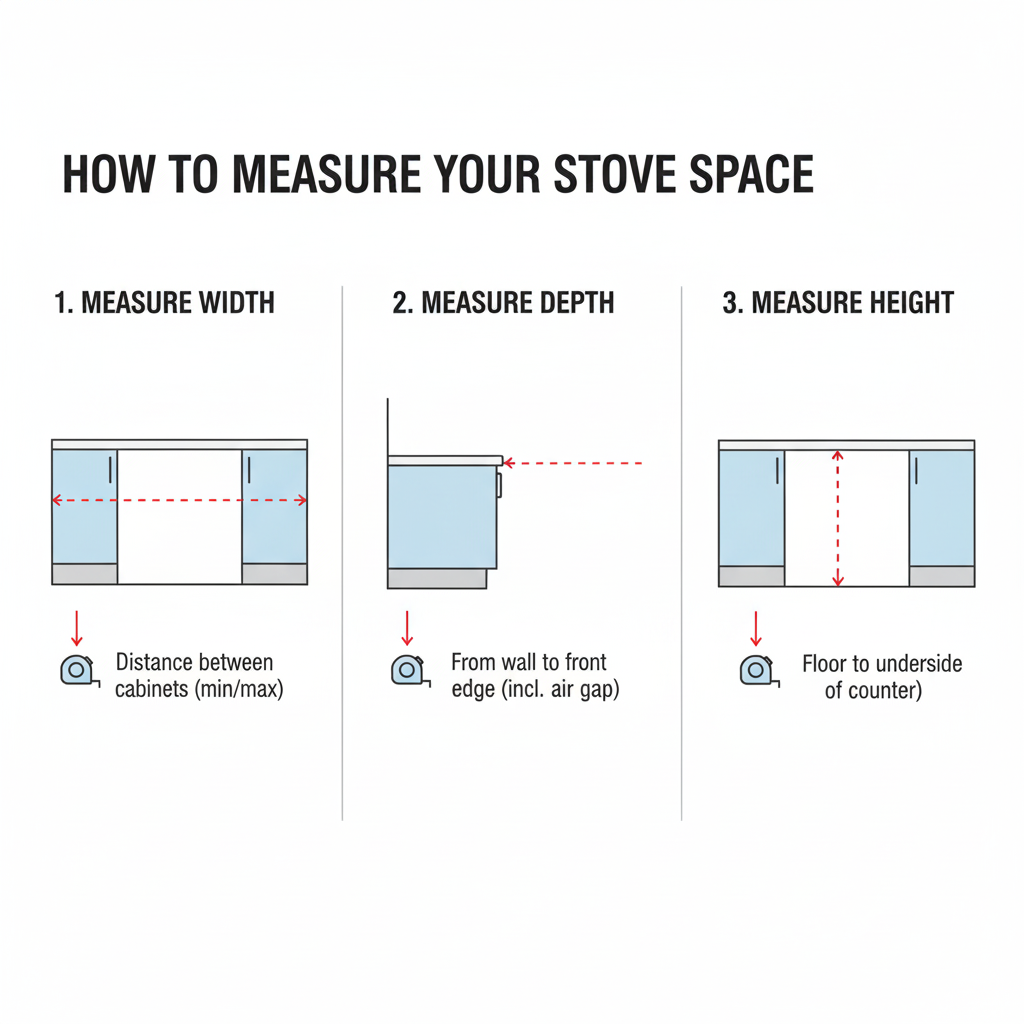 Before you click “buy,” it’s crucial to make sure your new range or oven will actually fit your kitchen, and hook up safely. Here’s a step-by-step checklist you can copy and use.
Measuring Width, Depth & Height (and Pathway for Delivery)
- Width → Standard ranges come in 30″, 36″, and 48″; wall ovens may be 24″ or 27″. Measure your cabinet opening to confirm.
- Depth → Measure from the back wall to the front of your countertop. Leave space for door swing clearance.
- Height → Most ranges are 36″ tall to match countertops, but confirm adjustable legs or leveling options.
- Delivery Pathway → Measure doorways, hallways, and stairs the appliance must pass through. Don’t forget tight corners.
Quick Tip: Always allow ½ inch clearance around the unit for airflow and expansion.
Gas Line or Electrical Requirement Checks
- Gas Models → Confirm you have a gas line installed near the cutout. Check if it’s natural gas or propane, some models require conversion kits.
- Electric Models → Most slide-ins and wall ovens need a 220–240V outlet. Freestanding electric ranges may use 240V or hardwire connections.
- Breaker Capacity → Make sure your electrical panel can handle the required amperage (often 30–50 amps).
Quick Tip: Check your current hookup type before shopping to avoid costly retrofits.
Backsplash & Trim Tips for Slide-Ins
- Slide-Ins don’t have a backguard, so you’ll need a finished backsplash behind them.
- Leave space or use filler/trim kits to close small gaps between the oven and cabinets.
- Make sure countertop edges are flush with the cooktop surface for a seamless, built-in look.
Quick Tip: Ask the seller if the unit includes side trim pieces, if not, order separately.
When to Call a Pro (Electrical, Gas Hook-Up, Custom Cabinetry)
- Call a licensed electrician if you’re upgrading wiring, adding a 240V line, or hardwiring a wall oven.
- Call a licensed plumber/gas tech for gas hookups, conversions (NG to LP), or line extensions.
- Call a cabinet installer if your current opening is too wide/narrow, or if counters need modification.
Quick Tip: Professional install may cost extra, but it protects your warranty and ensures safety.
FAQs
Can I replace an existing freestanding with a slide-in?
Yes, but you may need to adjust cabinetry or add trim pieces since slide-ins don’t have finished sides.
Do slide-in ranges require a backsplash?
Usually yes – they lack a backguard, so you’ll need a finished wall or backsplash behind them.
Are slide-ins more expensive to install?
Typically. Cabinet adjustments, trim kits, and backsplash finishing add to the overall cost.
What’s the real difference between a slide-in and a drop-in?
A slide-in sits on the floor and slides between cabinets. A drop-in is mounted into cabinetry and has no storage drawer or legs.
How do I choose between gas and electric?
- Gas: Faster heat, better flame control, requires a gas line.
- Electric: More even baking, often comes with advanced features like convection and air fry.
Do front controls mean more accidents?
Not usually. In fact, front controls on slide-ins are safer because you don’t have to reach over hot burners.
Which type is better for a kitchen island?Which type is better for a kitchen island?
Slide-ins work best for islands – the front controls and lack of backguard give a clean, open look.
Are “slide-in” labels just marketing?
No. Slide-ins are a distinct category with unfinished sides and front-mounted controls, different from freestanding ranges.
Can I install a freestanding oven between cabinets?
Yes. Freestanding models have finished sides, so they can fit between cabinets or stand alone.
Which type has better resale value?
Slide-ins often add premium appeal in high-end kitchens, but freestanding models are easier to swap during resale or rental upgrades.
Do both types come in the same sizes?
The most common is 30″ wide, but slide-ins are often 30″ or 36″, while freestanding models range from 24″ to 48″.
Which type lasts longer?
Durability depends more on the brand and build quality than type. Both slide-in and freestanding ovens can last 10–15 years with proper care.
Conclusion + Final Recommendations
Choosing between a slide-in vs. freestanding oven comes down to kitchen style, budget, and installation needs. Here are our top picks for every type of buyer:
Best Overall – GE Profile 30″ Slide-In Electric Range
Sleek design, front controls, convection baking, and smart Wi-Fi features make this the perfect balance of style + performance for most modern kitchens.
Best Budget – Frigidaire 30″ Freestanding Electric Range
Affordable, reliable, and easy to install – ideal for those who want solid cooking power without extra cost or complicated installation.
Best Premium / Pro-Style – KitchenAid 36″ Slide-In Gas Range
Powerful burners, pro-style look, and premium build quality. A great choice if you want restaurant-level performance at home.
Quick Buying Checklist (5 Things to Confirm Before You Buy)
✅ Cabinet opening measurements (width, depth, height)
✅ Gas line or 240V electrical outlet in place
✅ Backsplash or trim plan (for slide-ins)
✅ Budget fit – appliance + delivery + install
✅ Pro installer scheduled for gas/electrical hookup
Affiliate Disclosure + Safety Reminder
This article contains affiliate links, which means we may earn a small commission at no extra cost to you if you purchase through our recommendations.
Installation Reminder: Always hire a licensed installer for gas ranges and electrical hardwiring. It protects your home, safety, and warranty.
Ready to upgrade your kitchen? Explore today’s best deals on slide-in and freestanding ovens
Appendix & Resources
Before you purchase or install a new oven, here are some trusted resources to make the process smoother:
Installation & Measurement Resources
- GE Appliances Range Installation Guide (PDF)
- Whirlpool Range & Wall Oven Cutout Dimensions
- Home Depot Appliance Delivery & Install Services
Pro Tip: Print out a measuring template to double-check cabinet cutout width, depth, and height before ordering.