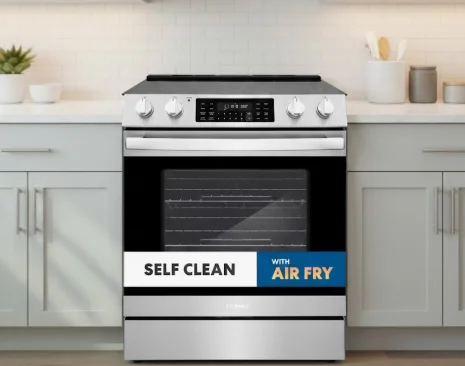
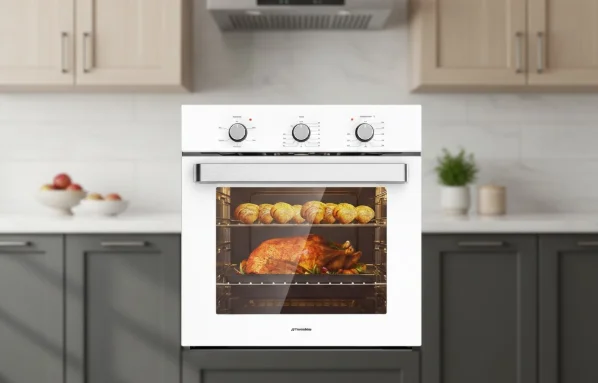
 How We Picked & Tested These Ranges
Choosing the best oven ranges and wall ovens in 2026 isn’t just about specs on paper, it’s about real-world usability. We built our shortlist by analyzing manufacturer data, expert lab tests, verified buyer reviews, and hands-on performance benchmarks where available. Each product was then scored against weighted criteria to ensure a fair comparison.
Scoring Criteria (weights)
- Performance & even cooking (20%), consistent heat distribution, convection quality, broil efficiency.
- Cooktop versatility & power (18%), burner wattage, dual elements, infrared or induction upgrades.
- Oven capacity & layout (15%), cubic feet, usable rack positions, fit for large dishes.
- Reliability & build quality (15%), materials, sturdiness of knobs, oven door glass thickness.
- Ease of cleaning & maintenance (10%), self-clean, steam clean, ceramic glass tops.
- Safety & installation (10%), voltage compatibility, rear controls, cooling systems.
- Value & warranty (12%), price-to-feature balance and length of coverage.
Test Checklist We’d Use Hands-On
We considered preheat [How to preheat] speed, bake evenness, burner boil test, rack usability, cleaning cycle performance, smart feature reliability, operating noise, and overall energy draw to reflect everyday cooking needs.
 Buying Guide – How to Choose the Best Oven Range (30-Inch Focus)
If you’re upgrading your kitchen, a 30-inch oven range is the most common size and fits most U.S. kitchens. But not all 30-inch ranges are built alike. From fuel type to cooktop design, oven capacity, and smart features, the right choice depends on your cooking style and household needs. Below, we break down the most important factors before you buy.
1) Size & Fit, Why 30 Inch Matters
- 30-inch width = standard footprint: Most freestanding and slide-in ranges are designed to slot into a 30″ cabinet cutout. This makes it the most versatile option for replacements and remodels.
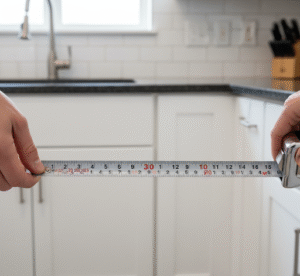
- Measure before buying: Don’t just check the width. Verify the cutout depth and height. Many ranges come with adjustable legs to align with countertop height (usually 36″).
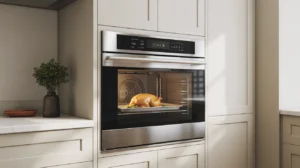
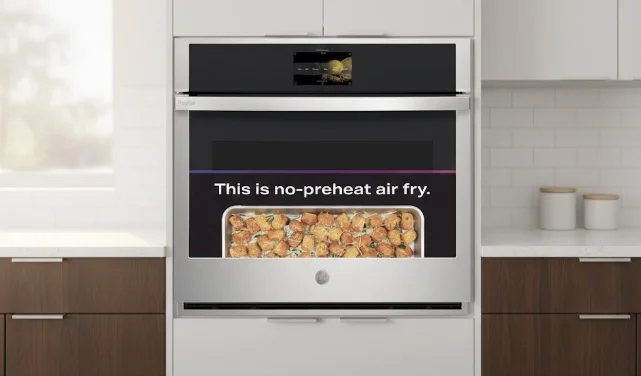
- Wall ovens vs. ranges: A wall oven (like the GE Profile PTS7000SNSS) requires a separate cabinet cutout and doesn’t include a cooktop. A range = oven + cooktop in one unit.
Pro Tip: Always check both the product dimensions and the cutout requirements in the manual to avoid costly installation surprises.
2) Fuel Type: Electric vs Gas vs Dual-Fuel
Your cooking style should guide your choice:
- Electric Ranges
- ✅ Smooth ceramic glass surface = easy cleaning
- ✅ Precise oven performance for baking
- ❌ Slower burner response vs gas
- ❌ Needs 240V hookup
- ✅ Smooth ceramic glass surface = easy cleaning
- Gas Ranges
- ✅ Instant flame control for sautéing & simmering
- ✅ Faster boil times (especially with sealed burners)
- ❌ Oven baking can be less consistent vs electric
- ❌ Requires gas line
- ✅ Instant flame control for sautéing & simmering
- Dual-Fuel Ranges
- ✅ Gas cooktop + electric oven = best of both worlds
- ✅ Professional-style results for home chefs
- ❌ Higher cost
- ❌ Requires both gas + 240V electrical
- ✅ Gas cooktop + electric oven = best of both worlds
Rule of Thumb:
- Bakers → Electric
- Everyday cooks → Gas
- Culinary enthusiasts → Dual-Fuel
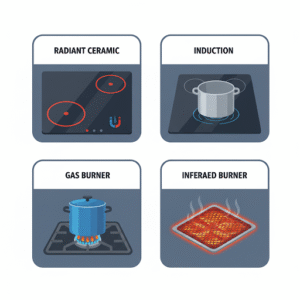 3) Cooktop Types Explained
Not all cooktops heat the same. Here’s what to know:
- Radiant Ceramic (Electric Glass-Top)
- Red glowing burners beneath smooth glass.
- Easy wipe-clean, widely available.
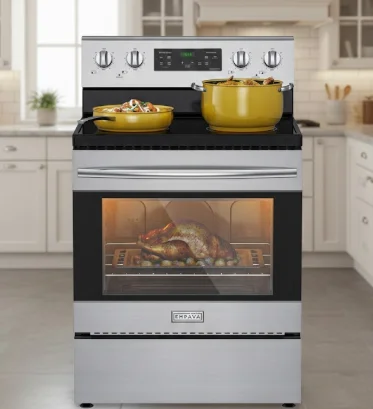
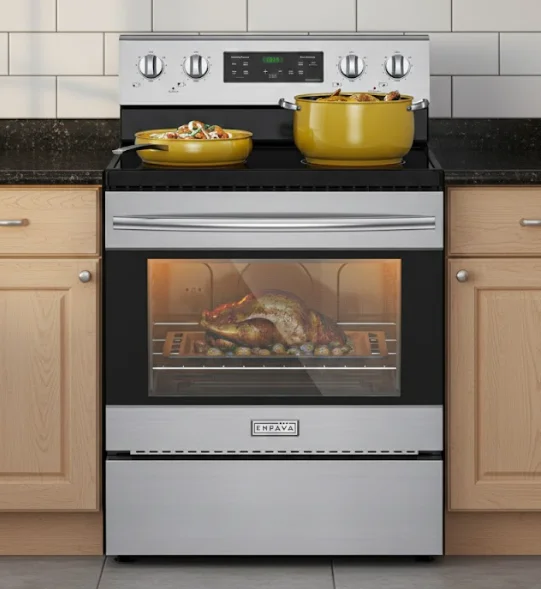
- Example: Empava 30″ and COSMO COS-ERC305WKTD.
- Red glowing burners beneath smooth glass.
- Induction
- Magnetic field heats your pan directly.
- Super-fast, energy efficient, safest to touch.
- Requires induction-compatible cookware.
- Magnetic field heats your pan directly.
- Sealed Gas Burners
- Common on gas ranges. Spill-proof, easy to clean.
- BTU output matters: 5,000 BTU = simmering, 18,000+ BTU = rapid boil.
- Common on gas ranges. Spill-proof, easy to clean.
- Infrared Burners
- Like in Rangaire’s RadiantGlow. Intense heat, perfect for searing.
- Dual-Element Burners (Electric)
- Inner ring for small pots, outer ring for large pans.
- Wattage guide:
- 1200W = gentle simmer
- 2100W = standard cooking
- 3200W+ = power boil
- 1200W = gentle simmer
- Inner ring for small pots, outer ring for large pans.
4) Oven Features That Matter
Today’s ranges come packed with extras. Prioritize these:
- Convection vs. True Convection
- Convection: fan circulates hot air.
- True convection: adds a third heating element + fan = superior evenness.
- Convection: fan circulates hot air.
- Air Fry Mode
- Found in GE Profile & COSMO. Eliminates need for countertop fryer.
- Cleaning Modes
- Steam clean: Quick, low-temp option for light messes.
- Self-clean (pyrolytic): High heat burns residue into ash.
- Steam clean: Quick, low-temp option for light messes.
- Probes & Sensors
- Built-in thermometer ensures meat reaches the right internal temp.
- Drawers
- Warming drawer: Keeps food hot until serving.
- Storage drawer: Common in budget models.
- Warming drawer: Keeps food hot until serving.
5) Capacity and Interior Layout
- 4–5 cu. ft. ovens: Standard, enough for everyday baking and small families.
- 6+ cu. ft. ovens: Ideal for large households, meal prep, or hosting. (COSMO 6.3 cu. ft. is perfect for roasting a turkey + sides).
- Racks:
- Look for telescopic racks (smooth glide, safer with heavy pans).
- More rack positions = better cooking flexibility.
- Look for telescopic racks (smooth glide, safer with heavy pans).
6) Power & Installation
- Voltage: Most electric/dual-fuel ranges require 240V.
- Wiring: Check if the cord is sold separately (Empava requires this).
- 3- vs. 4-Wire Hookups: Older homes may still use 3-wire; newer homes require 4-wire grounded connections.
- Gas: Requires proper shutoff valve and possibly professional line extension.
- Ventilation: Even electric ovens benefit from proper airflow, especially when using self-clean cycles.
Safety Tip: Always budget for a certified electrician or plumber if upgrading from gas ↔ electric.
7) Build Quality, Finish & Maintenance
A durable oven range isn’t just about looks:
- Finishes: Stainless steel is timeless; fingerprint-resistant coatings are worth it if you have kids. White and black finishes are making a comeback for modern-minimalist kitchens.
- Glass Surfaces: Look for scratch-resistant ceramic glass tops.
- Oven Doors: Triple-layer glass keeps heat in and surface cool.
- Racks: Heavy-duty + telescopic are best for longevity.
8) Warranty & Aftercare
Not all warranties are equal. Check for:
- 1-year parts & labor: Standard baseline.
- Extended coverage on heating elements or glass cooktops: Added value.
- US-based support: COSMO highlights this for quick service.
- Third-party extended warranties: Worth considering for dual-fuel or high-end wall ovens.
9) Price vs Use Case: Which Feature to Splurge On
Budget should align with your cooking priorities:
- Bakers → Splurge on oven performance. Look for true convection, even heat, and large capacity.
- Everyday cooks → Splurge on cooktop power. Dual-element burners, gas BTUs, or induction speed.
- Large families → Splurge on capacity. A 6+ cu. ft. oven with multiple racks prevents batch cooking fatigue.
- Smart home users → Splurge on connectivity. GE Profile offers Wi-Fi controls, recipe sync, and voice integration.
Bottom Line: A 30-inch oven range is the sweet spot for most kitchens, balancing size, power, and price. Decide whether fuel type, oven performance, or cooktop flexibility matters most, and choose a model that aligns with your cooking style.
 In-depth: Installation, Wiring & Sizing Checklist
Before hitting “buy now,” make sure your kitchen setup is ready for a new oven range or wall oven. Proper preparation prevents headaches on delivery day.
Pre-installation Checklist
- Measure width, depth, and height carefully. Most freestanding or slide-in ranges are 30″ wide, but wall ovens vary (24″, 27″, or 30″).
- Check clearance and ventilation. Ranges need space behind and sometimes above for airflow. Wall ovens require cabinetry cutouts per manufacturer specs.
- Confirm cabinet cutout size if installing a wall oven. Double-check against the product’s spec sheet.
- Verify floor level. Uneven flooring can cause wobbling or improper oven door sealing. Adjustable legs help, but it’s best to prep the surface.
Electrical & Gas Considerations
- 240V circuit required. Models like the Empava and COSMO ranges run on 240V – confirm you have a dedicated circuit.
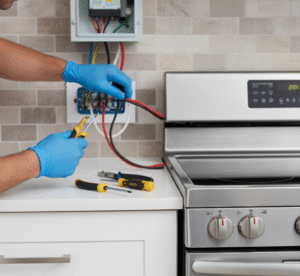
- Cord types: Some ranges ship without a power cord. You’ll need to choose between 3-wire and 4-wire hookups, depending on your home’s outlet.
- Gas hookup: For dual-fuel or gas ranges, ensure a gas line is in place. Never attempt DIY gas installs, call a licensed technician.
- When to call an electrician: If your panel lacks capacity, or if you’re unsure about wire gauge/voltage, always bring in a pro.
Delivery & Installation Tips
- Unbox carefully. Save packaging until the appliance is fully tested.
- Keep all manuals and templates for warranty and future servicing.
- Wall ovens almost always require professional installation into cabinetry.
- Anti-tip brackets are essential for freestanding ranges, they prevent accidents if the oven door is opened with weight on it.